10. The Environmental Impact of the Cruise Industry is Alarming
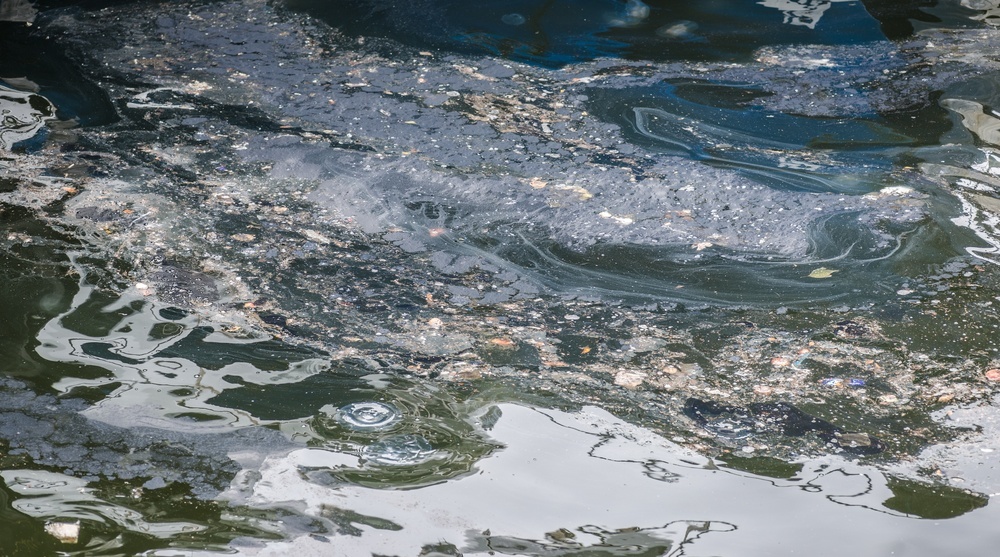
Despite how the cruise pundits like to spin things, you can’t deny there are environmental costs to this controversial industry. The 16 major cruise lines generated over 1 billion gallons of sewage in 2014, much of it raw or poorly treated. One cruise ship can produce 13 million cars worth of CO2 in one day. Sewage, grey water, oily bilge water and air emissions are a concern both while at sea and docked in port. Lax laws and regulations mean ships can dump sewage into international waters three miles offshore from the hot spots they promote as vacation destinations. These behemoth vessels often overwhelm small ports and undermine the very natural beauty and culture they’re trying to sell. There are some signs of improvement, as newer energy-efficient ships boast better waste-treatment technology. But 40% of the fleet plying the waters today are older vessels with 35 year old waste-treatment systems. There’s little transparency provided by various cruise lines on this issue, which just stirs up these murky waters. If you’re at all concerned about responsible travel and the ocean environment, you might want to think twice about cruising.
11. You Might Skip that Port
Have your heart set on a particular destination? It doesn’t happen often, but cruise ships sometimes have to change their itineraries on the fly. It’s usually due to inclement weather, mechanical difficulties, political instability or other issues that impact safety, so we don’t blame the cruise lines for this one. Just be aware that there will be no compensation or recourse for this change in plans. You’ll likely spend a free day at sea instead of exploring an alternate port of call.
12. Crew Are Somewhat Exploited
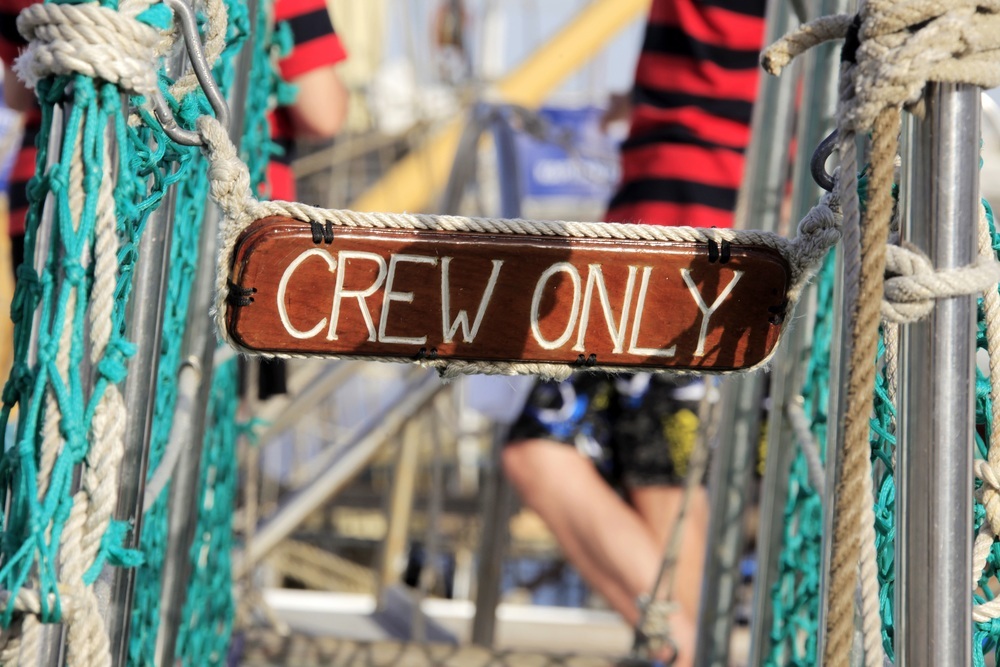
Cruise ship waiters, cabin stewards, deck hands, engine wipers and other crew members are some of the hardest working people around. About 3/4 of a typical cruise ship’s staff are from developing countries. They may earn as little as $500 – $1000 per month for 10 to 14 hour days on year-long stretches. The cruise lines defend this practice, claiming that with free room and board this is more than they could hope to earn back home. But the workers live in relatively squalid conditions below deck, and are locked into contracts where they have minimal time off and never see their families. Some have to pay back a “crewing agent” who signed them up for the job, so they don’t even begin to save money until well into their stint. It reeks of indentured servitude. Most ships are registered in offshore jurisdictions, so are not subjected to minimum wage laws, labor standards, corporate taxes or environmental regulations. The good news is the Maritime Labor Convention has started to enforce better minimum standards for cruise ship workers, so hopefully things will improve. However, even with this convention, these diligent workers aren’t getting their fair share of the cruise lines’ profits. We believe they deserve a better living wage for their labor. Until that is an enforced reality, please don’t skimp out on the tipping suggestion the cruise lines propose. These workers rely on this “bonus money” to top things up, and anyone who sees how hard they work should compensate them generously.