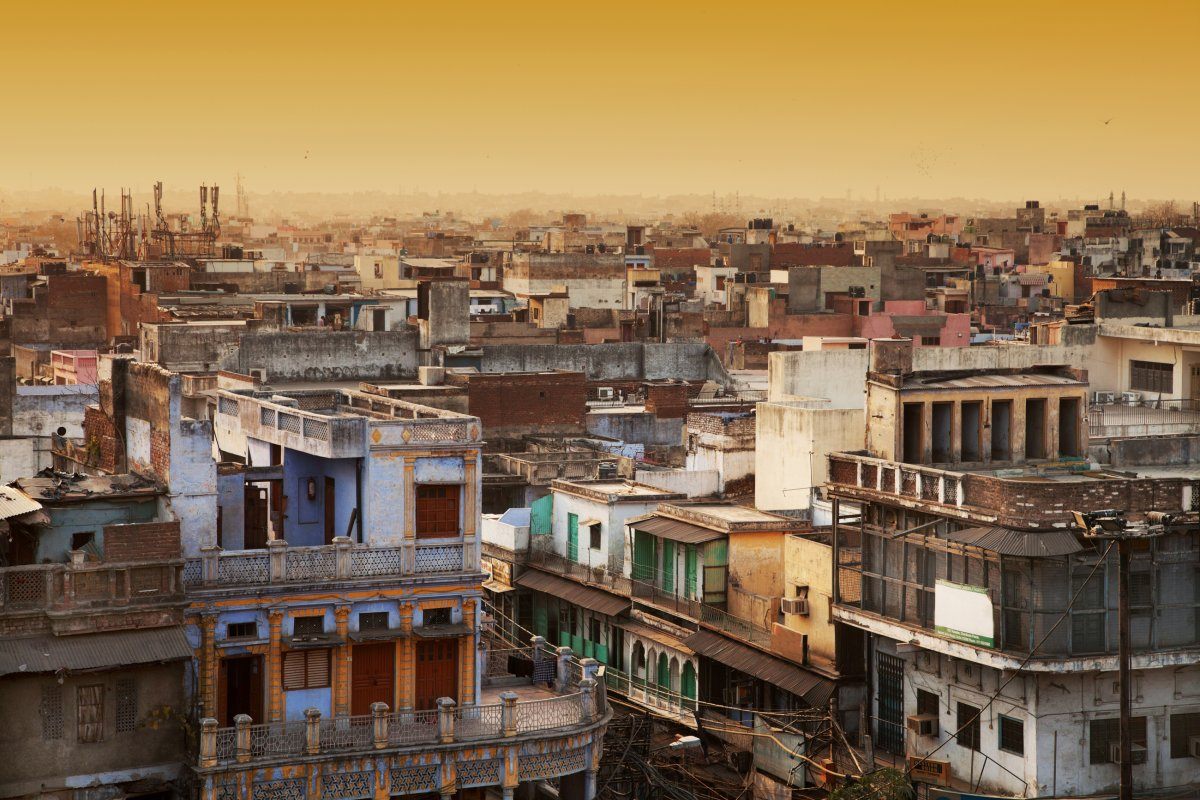
4. Quito, Ecuador
To be blunt, now is probably a good time to go to Ecuador, since their timer has officially been reset after being hit with a 7.8 magnitude quake on April 16, 2016. The terrible natural disaster is responsible for more than 600 deaths on the northern coast as well as increased economic instability. “Ecuador will temporarily increase some taxes, sell assets, and may issue new bonds on the international market to fund a multi-billion dollar reconstruction.” Authorities are saying its business as usual in the tourist-popular Amazon, Andes and Galapagos regions of Ecuador, but be aware that it is a seismically active country on the Ring of Fire, and its infrastructure isn’t equipped to handle big disasters – especially in heavily populated centers like Quito or Guayaquil.

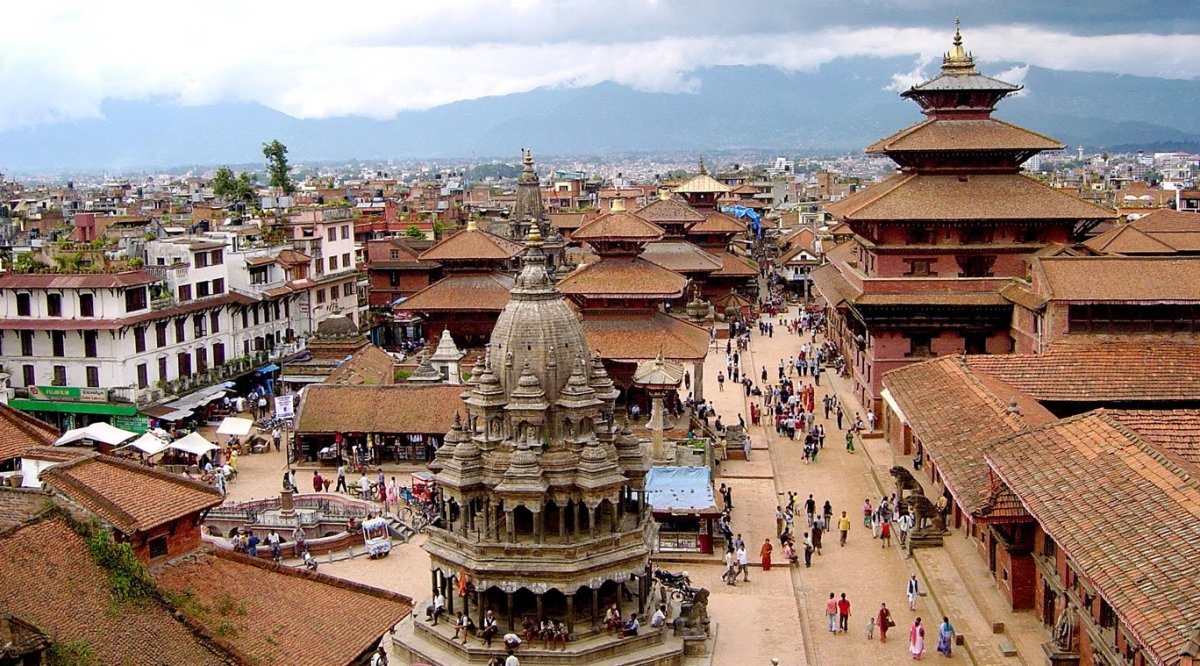
5. Kathmandu, Nepal
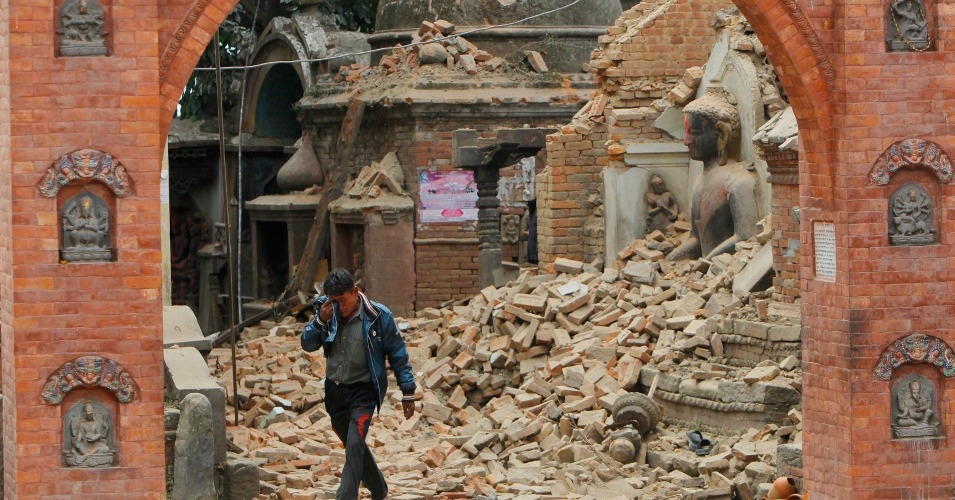
On April 26, an earthquake hit Kathmandu, Nepal, taking nearly 9,000 lives, doing more than $6 billion in damages, and pushing more than 70,000 people into poverty. It even triggered an avalanche that hit the basecamp at the foot of Mount Everest. It’s another in a long line of earthquakes that plague the region. The country desperately needs the economic boost from tourism, so we aren’t advocating travelers stay away indefinitely. Just travel cautiously and be aware that earthquakes can and do happen in these parts.
6. New Delhi, India
Parts of India were also affected by the Nepal quake, and in April of this year, a 6.8 magnitude earthquake struck Myanmar; the burst was so powerful that tremors could be felt in Delhi more than 1,200 miles away. The fault line and seismic activity in this region is concerning, because the potential for damage should an earthquake strike such a heavily populated city as Delhi directly would be catastrophic.