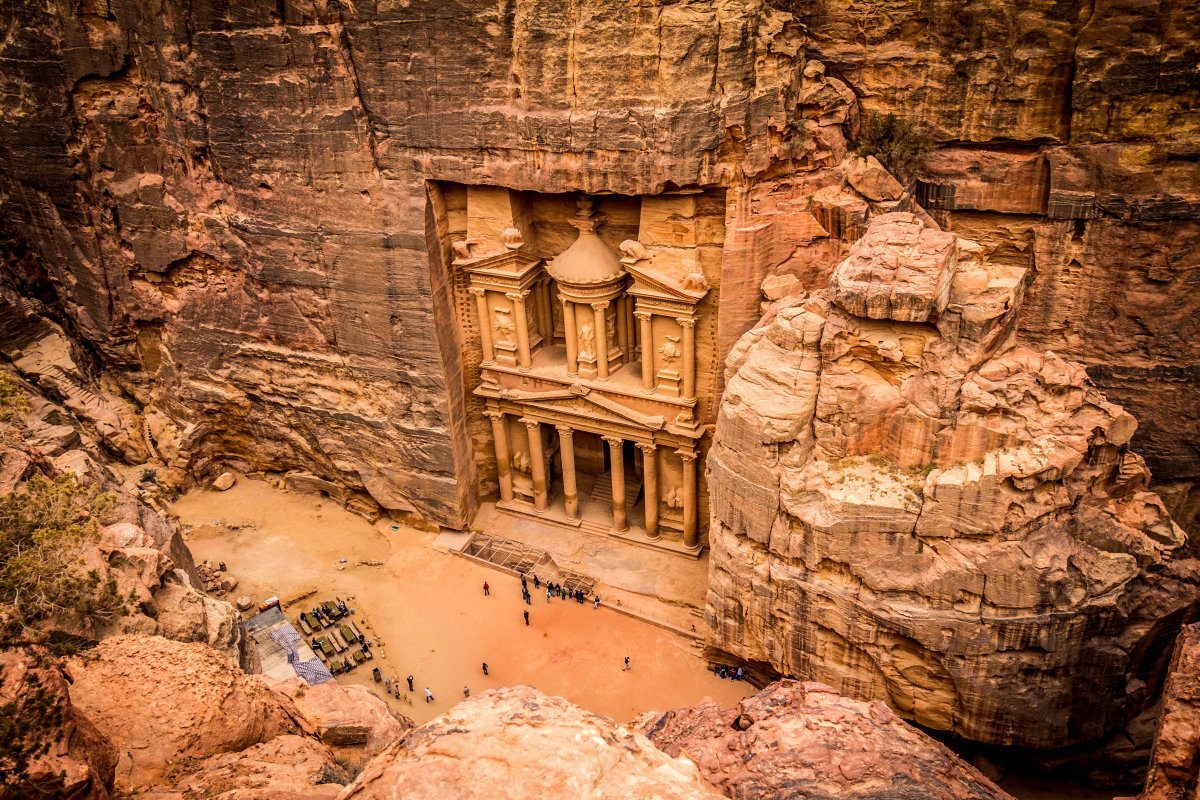
4. Petra, Jordan
Dating back some 2,500 years, Petra is one of the world’s most famous icons of classical civilization. Located in modern-day Jordan, the city is built into the rock, and it receives 580,000 visitors every year. Much of the site remains well preserved thanks to the dry desert climate of the region, and tourists can explore some of the many royal tombs as well as the much photographed Treasury building. Surprisingly, Petra was lost for centuries to the Western World, having only been rediscovered in 1812.
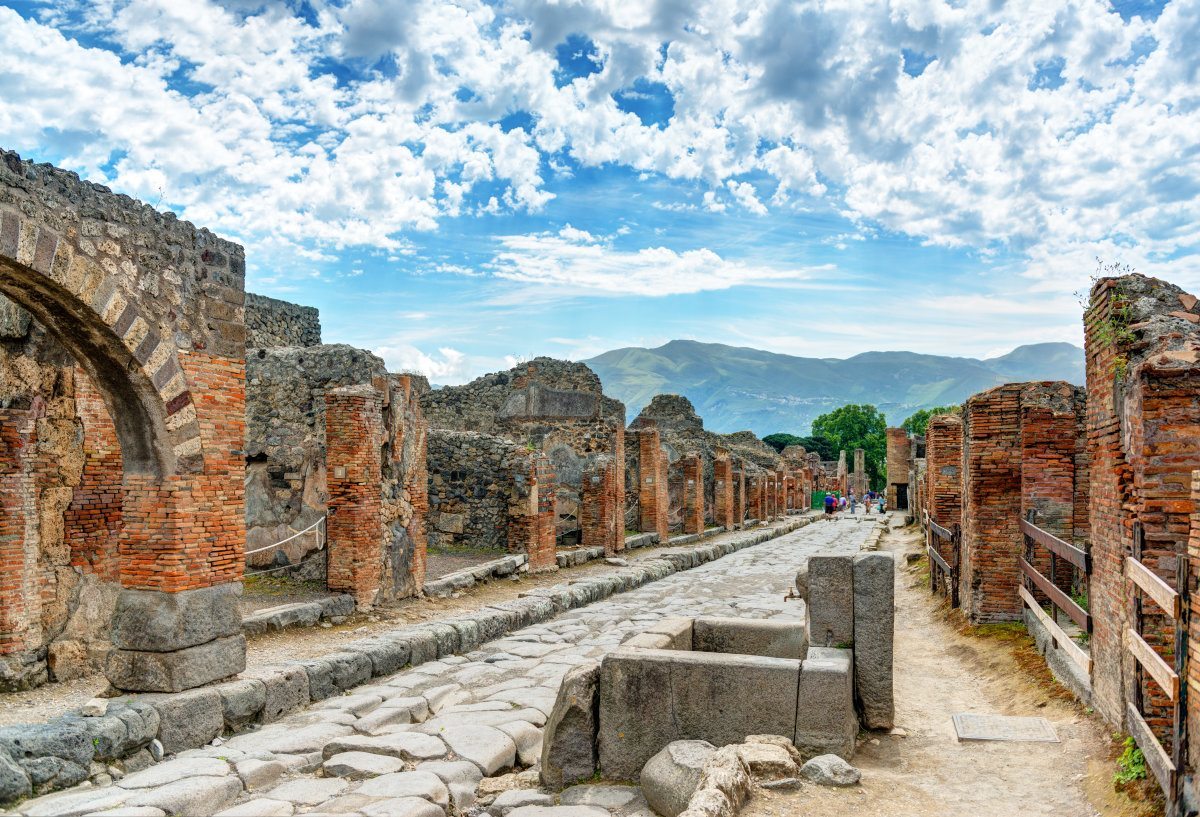
5. Pompeii, Italy
Almost 2,000 years ago, the ancient Roman city of Pompeii was buried under ash and pumice after the horrifying eruption of Mount Vesuvius in 79 AD. Long forgotten under the preservative ash, the ruins were only unearthed in 1599 and the centuries that followed. Today, Pompeii has largely been excavated, and countless priceless artifacts have been recovered from the site. The time-capsule ruins famously give a fascinating insight into life in the ancient Roman Empire.
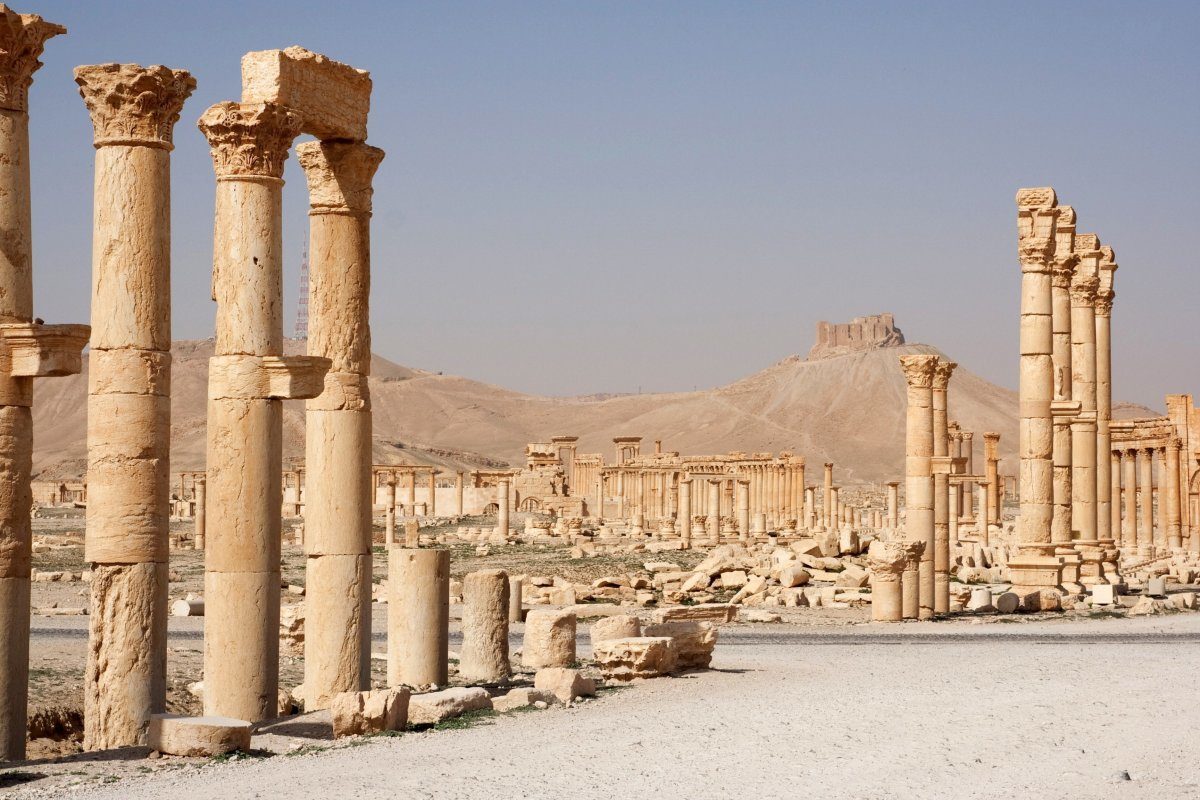
6. Palmyra, Syria
An ancient city founded in the second millennium BC, the imposing ruins of Palmyra lie in what is now Syria. The city features a stunning theater, along with many shrines, temples and stone houses. The site, which once served as the center of the Palmyrene Empire in 270-273, was still inhabited until 1932, when it was finally abandoned. Sadly, these ancient ruins are now under full assault by terrorist group ISIL, who have destroyed many of the buildings and priceless artifacts.