It might be difficult to imagine how an entire city can become lost in time, leaving nothing more than ruins in its wake. Whether due to war, natural disaster, climate change or other reasons, cities have risen and fallen throughout history. Some such cities, like Pompeii, were only rediscovered centuries later by archaeologists or even by accident, having been all but forgotten by the passage of time. Here are some of the most remarkable lost cities out there, waiting for you to rediscover.
1. Akrotiri, Santorini
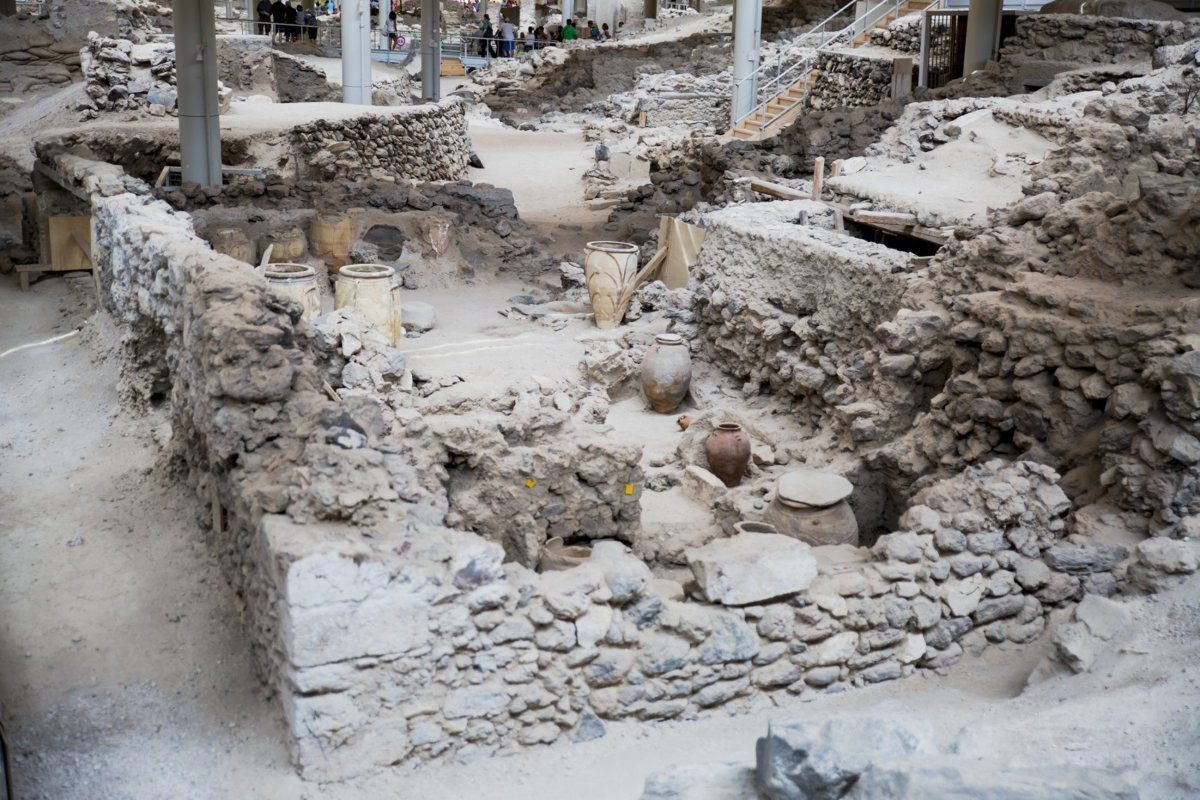
Located in one of Greece’s most romantic and popular vacation islands, the settlement of Akrotiri dates back a staggering 7,000 years. Starting as nothing more than a small fishing village, it eventually became an important trading post, featuring extensive sewage systems, paved streets and dozens of stone buildings. However, the eruption of Mount Theba wiped out the city in the 17th century, leaving the place in ruins and uninhabited ever since.
2. Machu Picchu, Peru
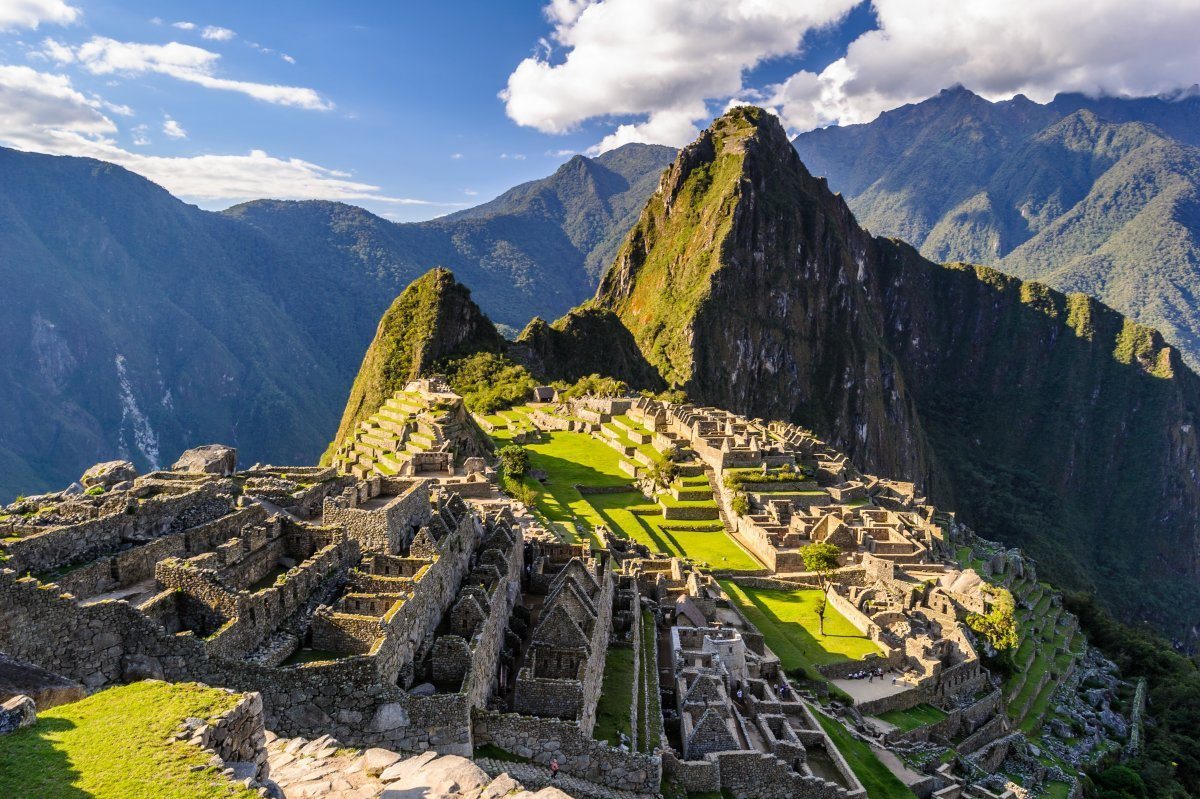
Machu Picchu is undoubtedly Peru’s most famous lost city, and much of it remains shrouded in mystery. A relic of classical Inca architecture, the city was built around 550 years ago as a retreat for Emperor Pachacuti, but it was abandoned after only a hundred years, largely as an indirect result of the Spanish Conquest. Today, Machu Picchu can be reached either by train via nearby town of Aguas Calientes or by foot along the arduous Inca Trail.
3. Leptis Magna, Libya
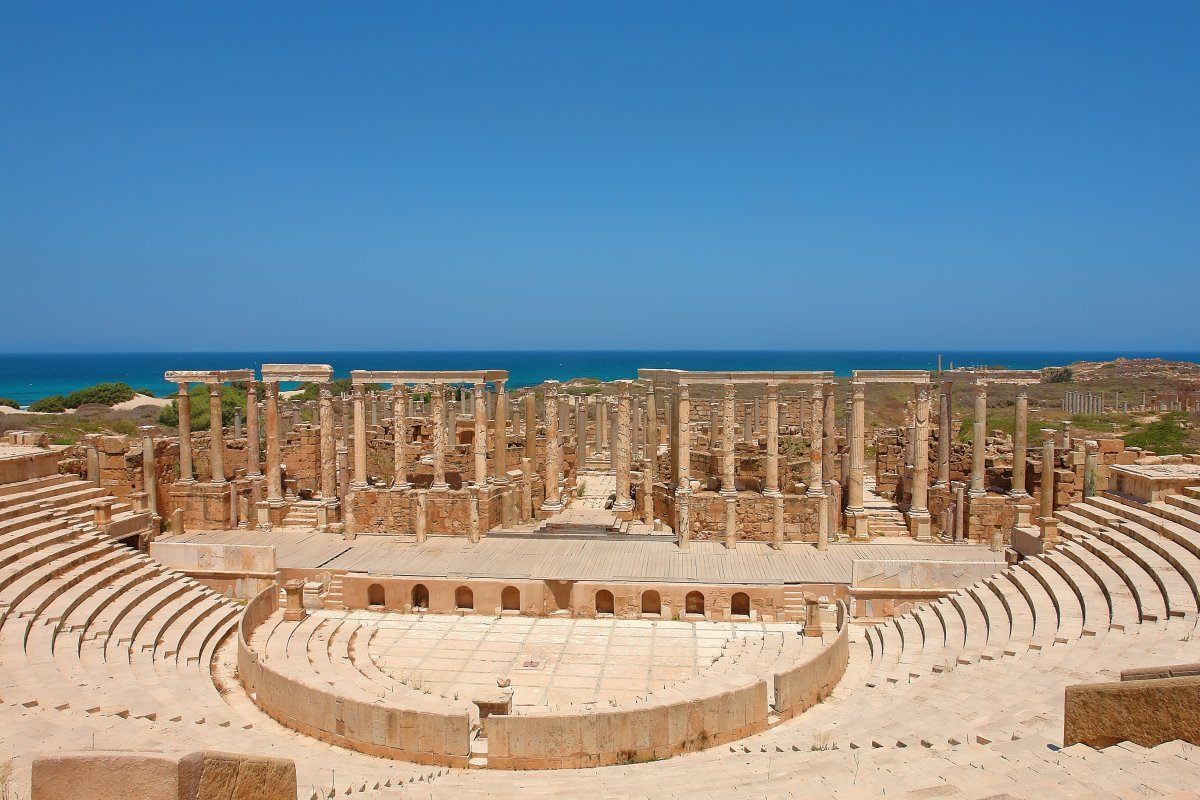
North Africa is home to some of the most spectacular and unspoiled Greek and Roman ruins in the world, and the ancient city of Leptis Magna is perhaps the most splendid of them all. Dating back around 3,000 years, the city, located on the coast of what is now Libya, has remained largely forgotten by western tourists. A great deal of buildings, such as the amphitheater, market place and the Septimus Severus Basilica, remain largely intact.
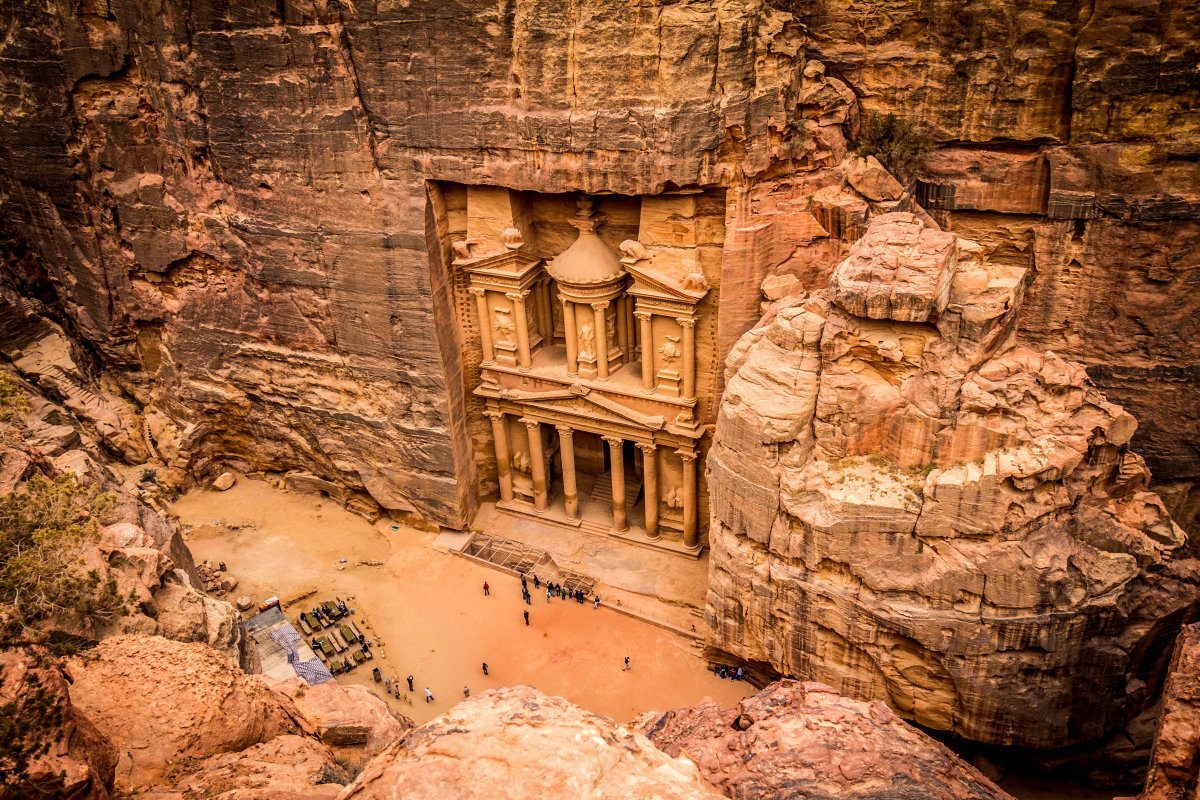
4. Petra, Jordan
Dating back some 2,500 years, Petra is one of the world’s most famous icons of classical civilization. Located in modern-day Jordan, the city is built into the rock, and it receives 580,000 visitors every year. Much of the site remains well preserved thanks to the dry desert climate of the region, and tourists can explore some of the many royal tombs as well as the much photographed Treasury building. Surprisingly, Petra was lost for centuries to the Western World, having only been rediscovered in 1812.
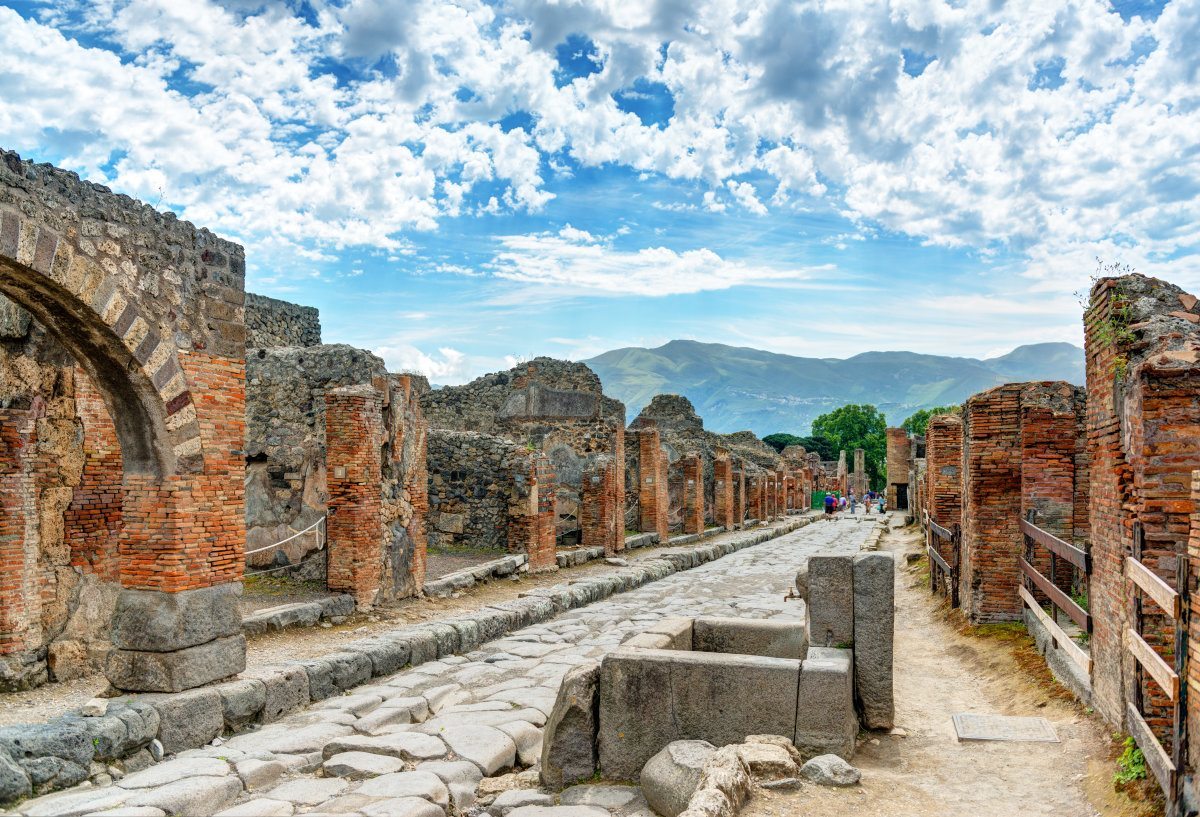
5. Pompeii, Italy
Almost 2,000 years ago, the ancient Roman city of Pompeii was buried under ash and pumice after the horrifying eruption of Mount Vesuvius in 79 AD. Long forgotten under the preservative ash, the ruins were only unearthed in 1599 and the centuries that followed. Today, Pompeii has largely been excavated, and countless priceless artifacts have been recovered from the site. The time-capsule ruins famously give a fascinating insight into life in the ancient Roman Empire.
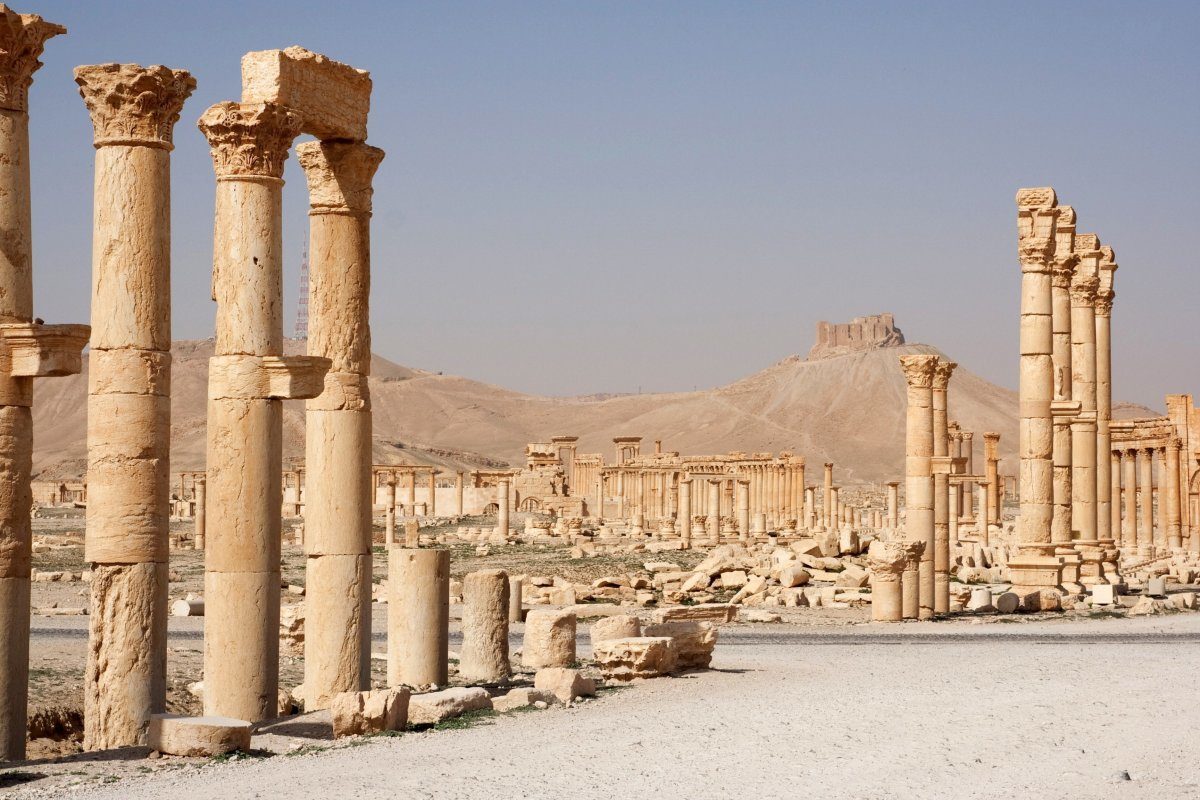
6. Palmyra, Syria
An ancient city founded in the second millennium BC, the imposing ruins of Palmyra lie in what is now Syria. The city features a stunning theater, along with many shrines, temples and stone houses. The site, which once served as the center of the Palmyrene Empire in 270-273, was still inhabited until 1932, when it was finally abandoned. Sadly, these ancient ruins are now under full assault by terrorist group ISIL, who have destroyed many of the buildings and priceless artifacts.
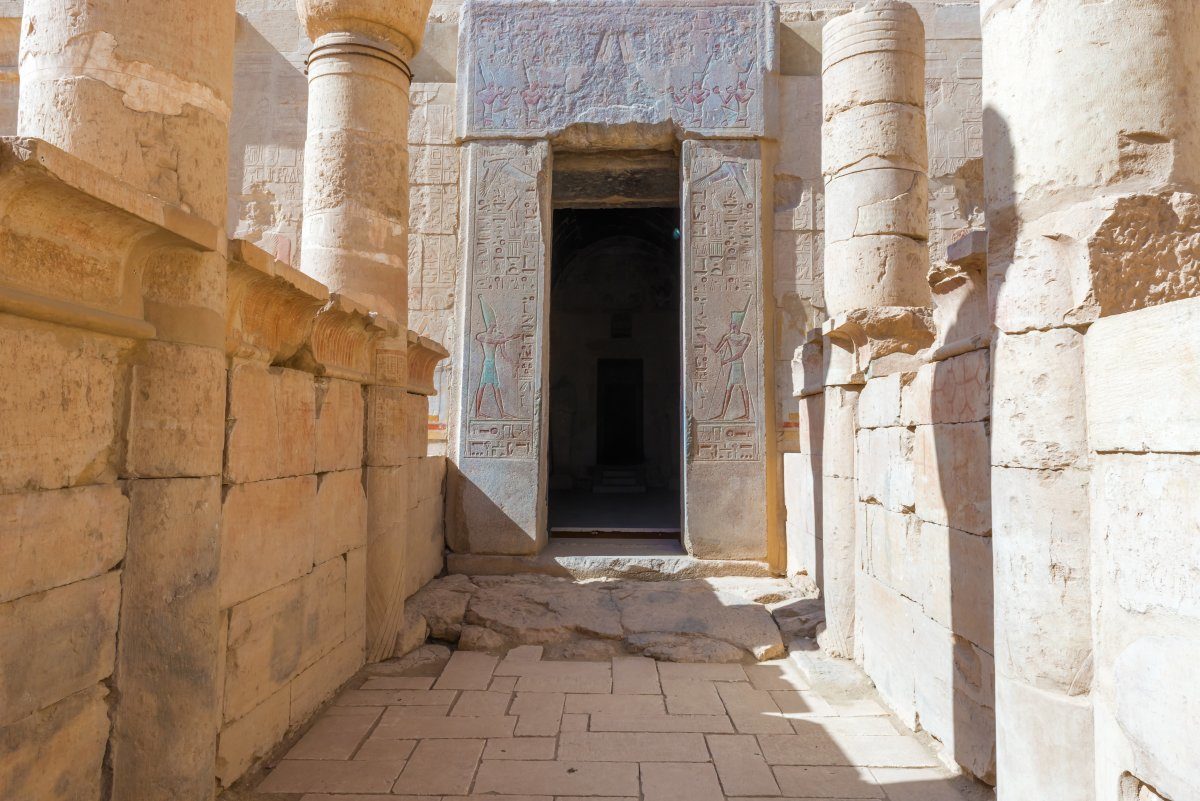
7. Thebes, Egypt
Formerly one of the most important cities of the Ancient Egyptian culture, the ruins of Thebes now lie in the modern city of Luxor, but they have become one of the country’s most important and iconic touristic sites. Founded in 3,200 BC, Thebes served as the capital of the Middle Kingdom and the New Kingdom. During its height in around 2,000 BC, it had a population of some 40,000, making it one of the most populous cities in the world at the time.
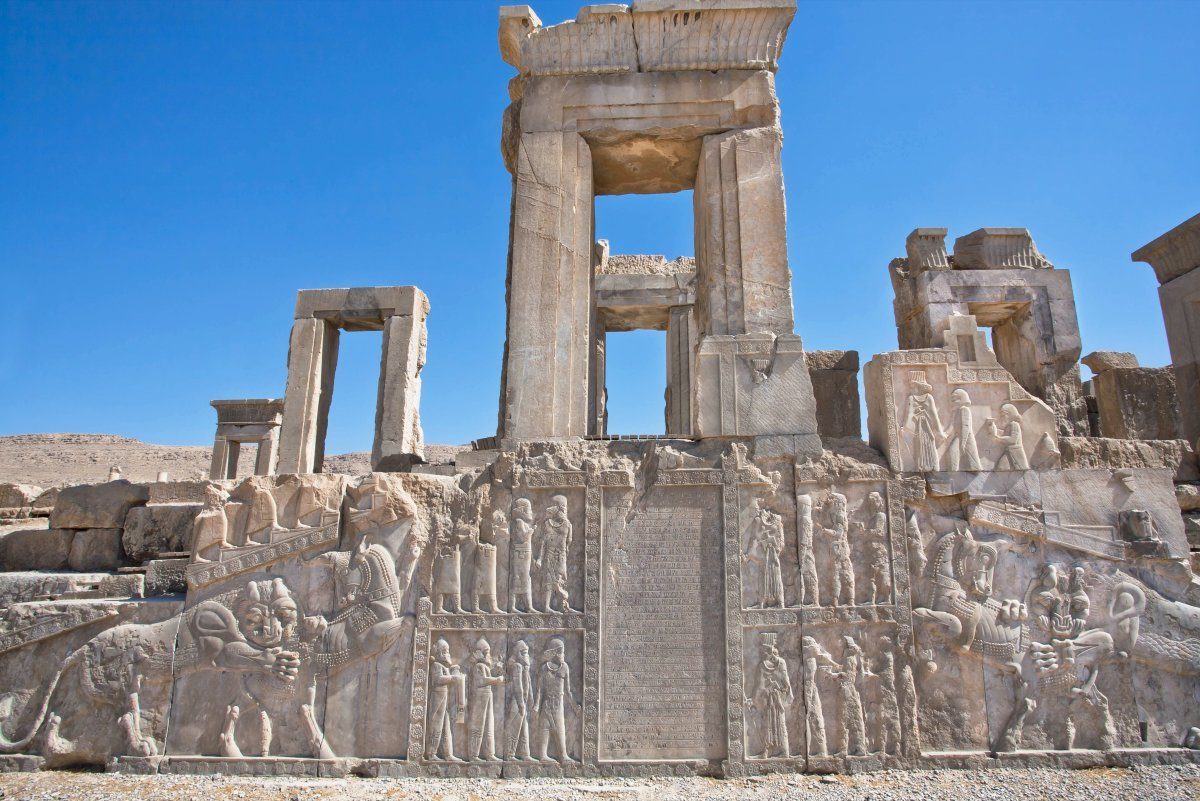
8. Persepolis, Iran
The cultural and ceremonial capital of the Achaemenid Empire between 550 and 330 BC, Persepolis is located in modern-day Iran in the region of Shiraz. Many buildings remain partially standing, particularly the Gate of All Nations, which was built to commemorate the various subjects of the empire. Many other monumental buildings are also partly still standing, such as the Tachara and Apadana palaces.
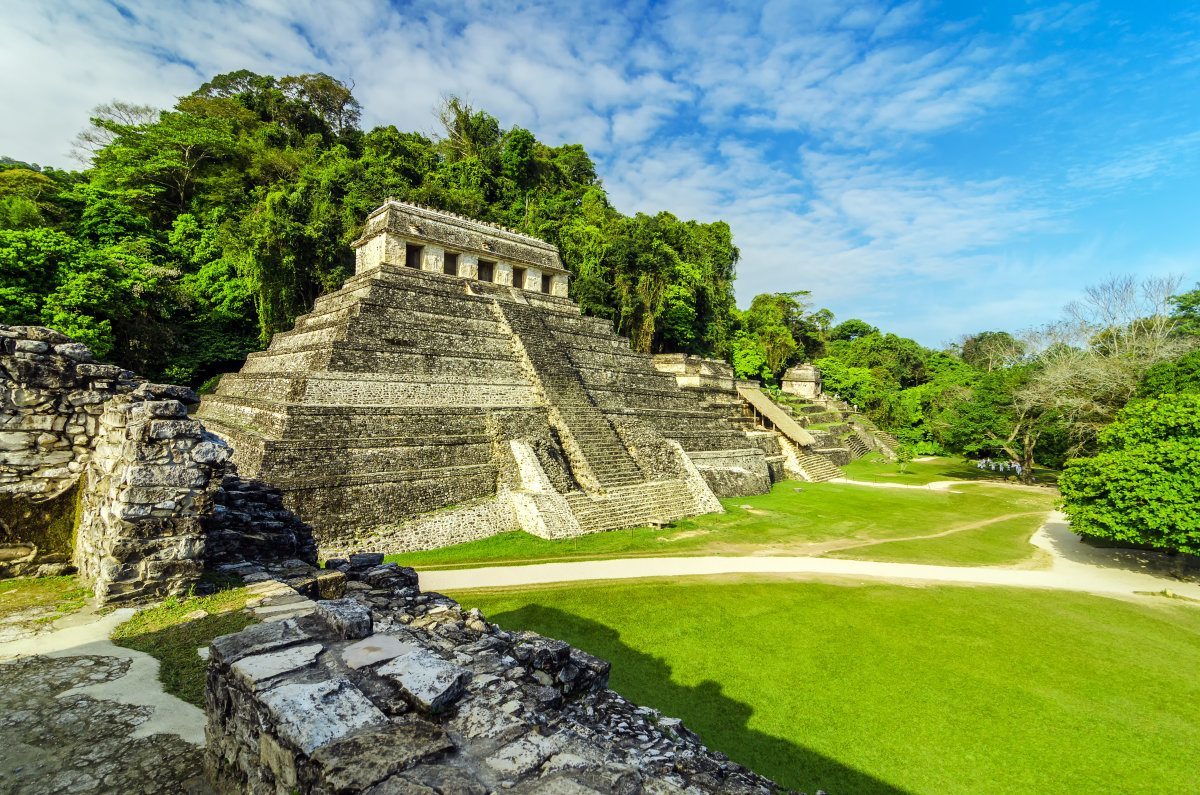
9. Palenque, Mexico
Palenque is the most famous and best-preserved of all Mayan ruins. Dating from around 2,200 to 1,400 years ago, the lost city is found in southern modern-day Mexico. The city reached its height during the seventh century, but after its decline, long before the Spanish Conquest, it was largely absorbed by the jungle. In modern times, it has been extensively excavated, and visitors may now explore the many temples, aqueducts and other structures.
10. Angkor Wat, Cambodia
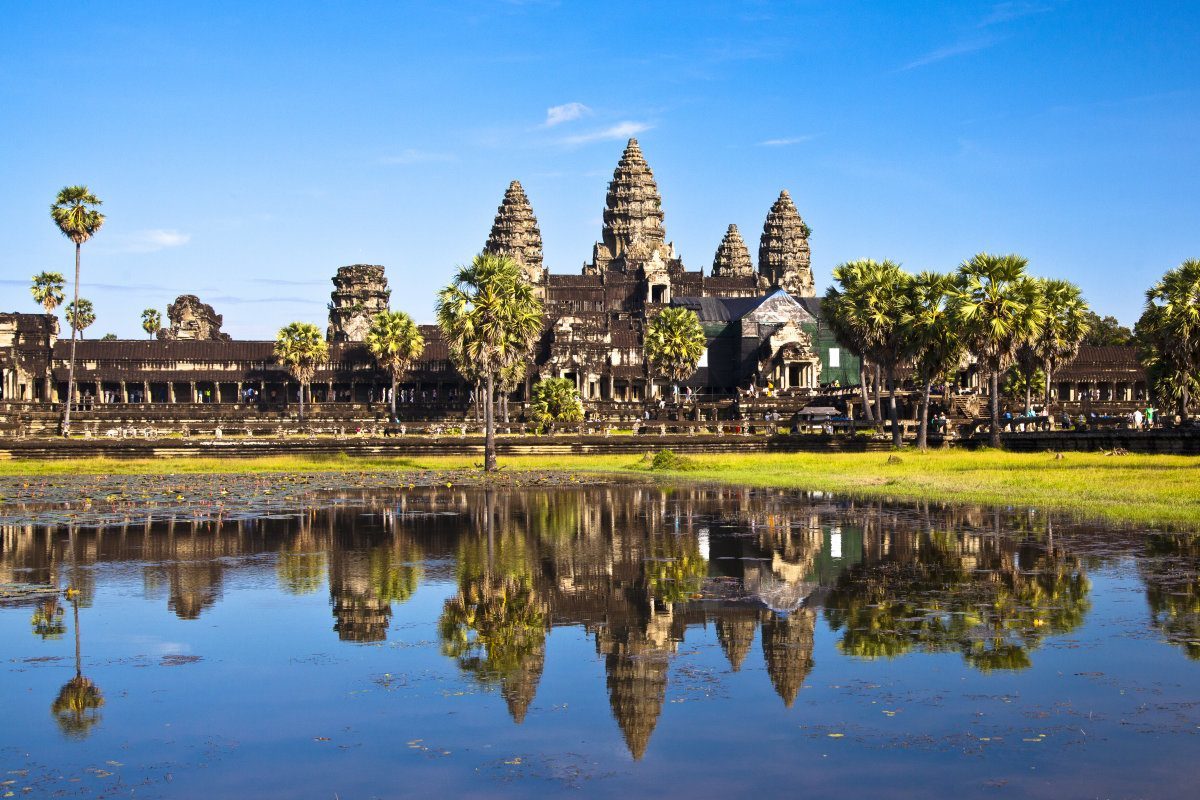
One of Asia’s most iconic sites, Angkor Wat is also the world’s largest religious monument. Meaning ‘Temple City’ in English, Angkor Wat was originally a Hindu temple before becoming a Buddhist temple a few years later. For the last 400 years, the site has been largely unused for its original purpose, but extensive preservation and restoration work continues to bring this splendid site back to its former glory.