Every country has its own way of greeting people, and these vary depending on situation, familiarity, and setting. First impressions count and regular travelers should have some idea of what to expect as you jet-set across the globe. We’re talking non-verbal greetings and gestures here, not how to say “hello” in hundreds of languages. Knowing which gestural greetings are acceptable, and those that are not, could be the difference between the negative or positive perception you’ll leave behind.
1. Shake It Off
The handshake is one of the most common forms of greeting worldwide. While in the US either gender can offer up a firm handshake, in countries like New Zealand, Italy, and the United Kingdom, generally women get the ball rolling with a lighter handshake. Clasping forearms is preferred over shaking hands in Colombia.

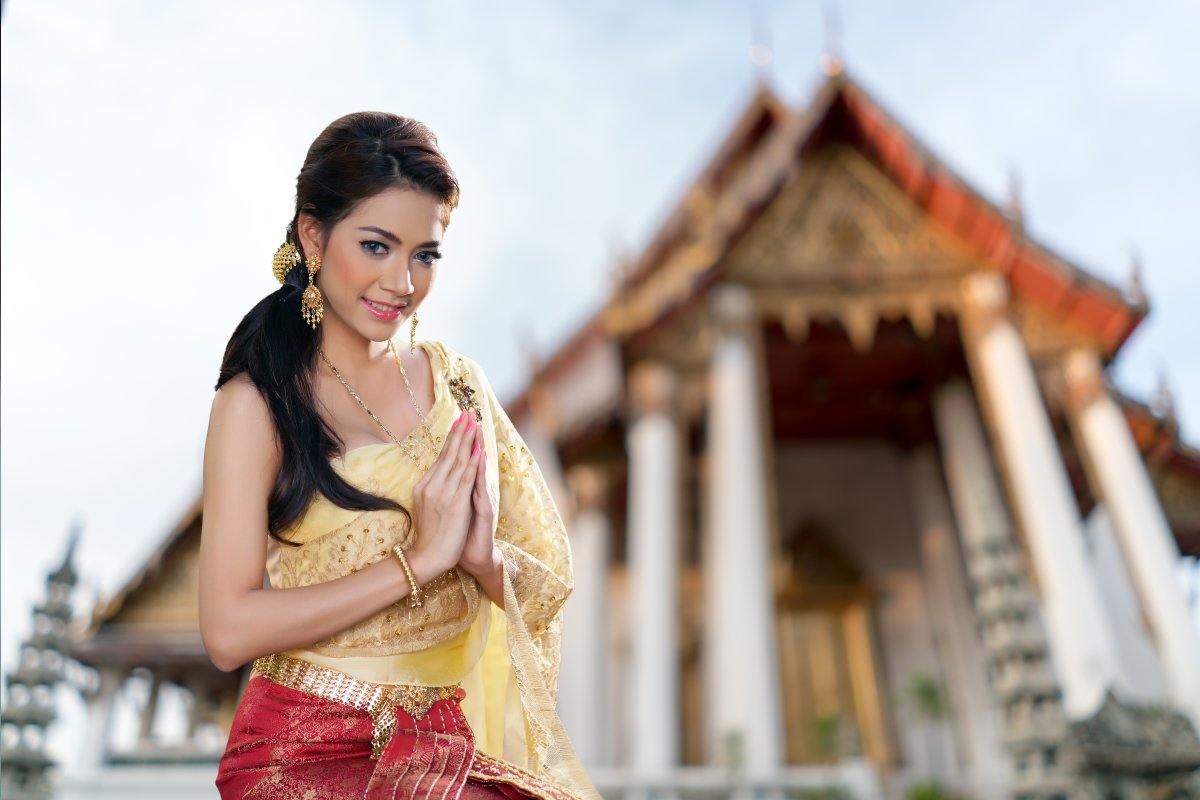
2. Thais Do the Wai
The wai is a Thai tradition that sees individuals placing their hands together in prayer position on their chest as a friendly greeting. In Malaysia, the salame concept is similar but each greeter offers up one hand as a sort of tandem-prayer position. After they touch briefly, each person brings their respective hand back to their heart.
3. A Lesson in XOXOs
Hugs and kisses are another common way to greet people across the globe, but the actual execution varies from place to place. Three times is the charm in Belgium, where they use alternate cheek kisses, and in France it’s the double cheek (often just puckering in the air rather than making lip-to-cheek contact). In Mexico it’s just a one cheeker. In Arab countries, close male friends or colleagues hug and kiss both cheeks. Argentinean women kiss on the cheek while shaking with both hands, and the men hug each other. First introductions in Chile are also met with a kiss on the right cheek along with a handshake, and in Spain men embrace. Other Latin countries have similar touchy feely gestures to accompany greetings.