April 22 is Earth Day, a time to reflect on the state of our planet and give respect to the environment that sustains us. Sadly, not all is well on our glorious globe. Despite decades of “green” consciousness, humans seem hell-bent on obliterating our habitat. Inspired by the book Overdevelopment, Overpopulation, Overshoot, we’re hoping some of these photos depress you into action. Take a look through these 13 haunting photos of how humans destroy Earth. What are you going to do about it?
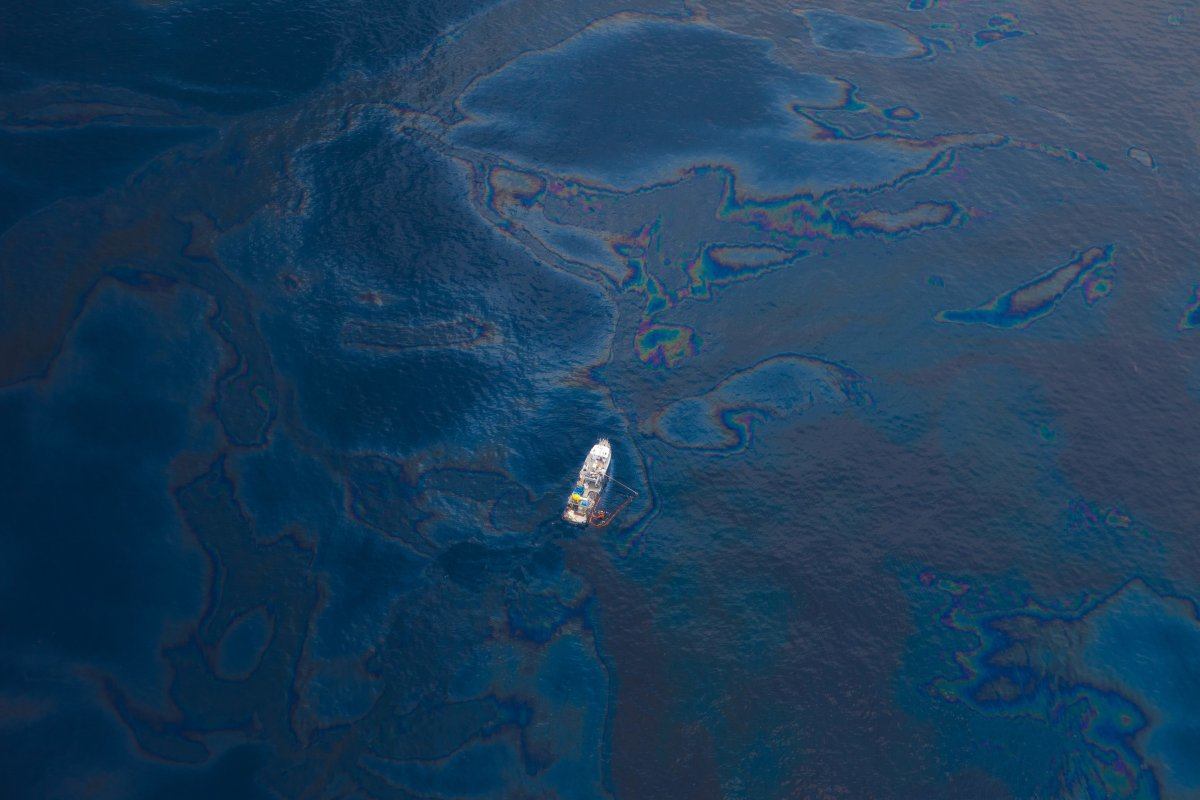
1. Oil Spills
Oil spills can spread for hundreds of nautical miles, covering the ocean in a thin toxic slick. This can kill sea birds, shellfish, mammals and other organisms it coats. It can also destroy marine ecosystems, pollute beaches, contaminate water supplies and impact tourism and fishery economies. The largest marine oil spill in history was the 2010 Deepwater Horizon disaster, which leaked more than 200 million gallons of crude oil into the Gulf of Mexico. With man’s continued dependency on oil, more accidents like this are bound to happen.
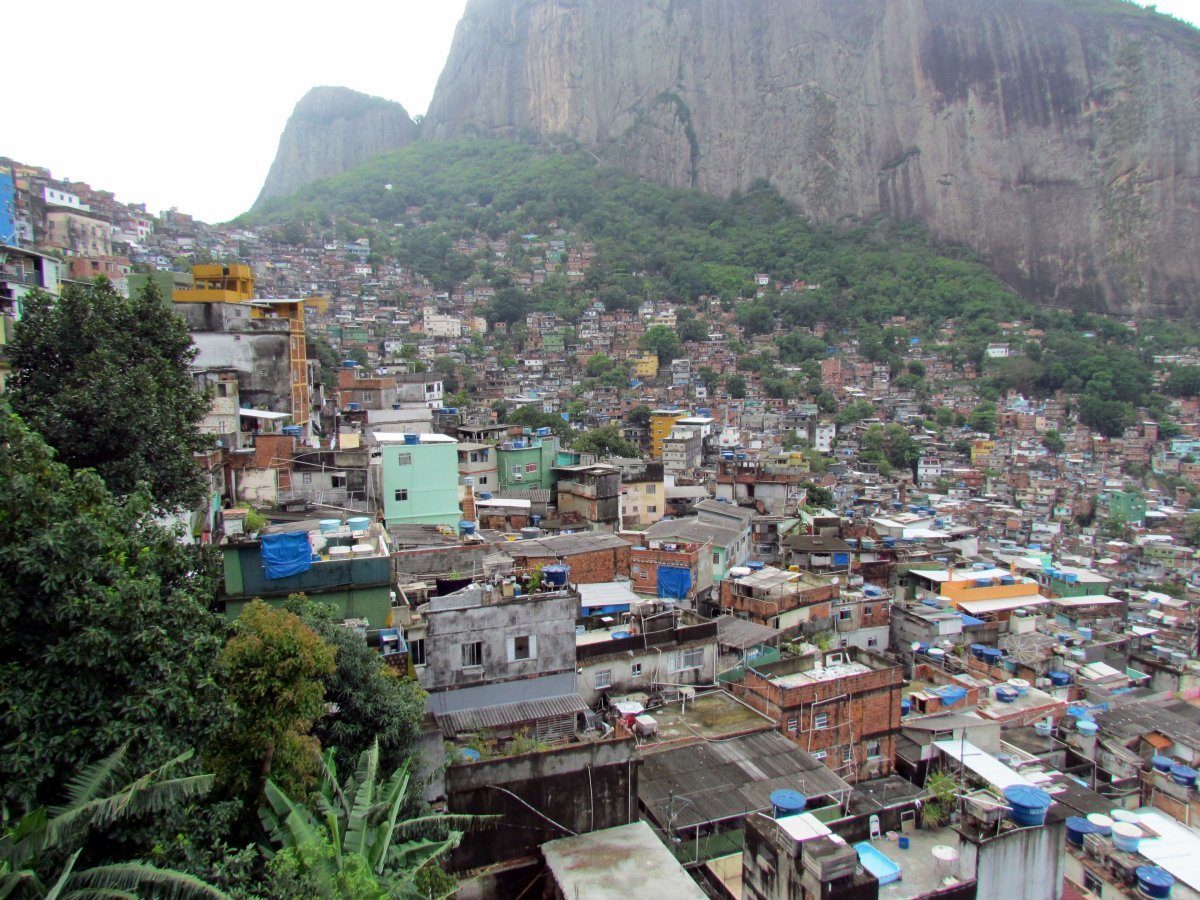
2. Crowded Slums
With the globe’s population tipping over 7 billion and a shift from rural to urban lifestyles, more and more people find themselves living in impoverished squalor. UN-Habitat estimates that 33% of the urban population in the developing world are slum dwellers. These segregated shanties suffer from overcrowding, substandard shelter, inadequate infrastructure, poor sanitation, rampant crime and fast-spreading disease. Rio’s hillside favelas are now a bit of a tourist attraction where visitors pay for guided “slum tours” of how the other half live. It brings awareness to the problems, but makes a spectacle of the inhabitants.
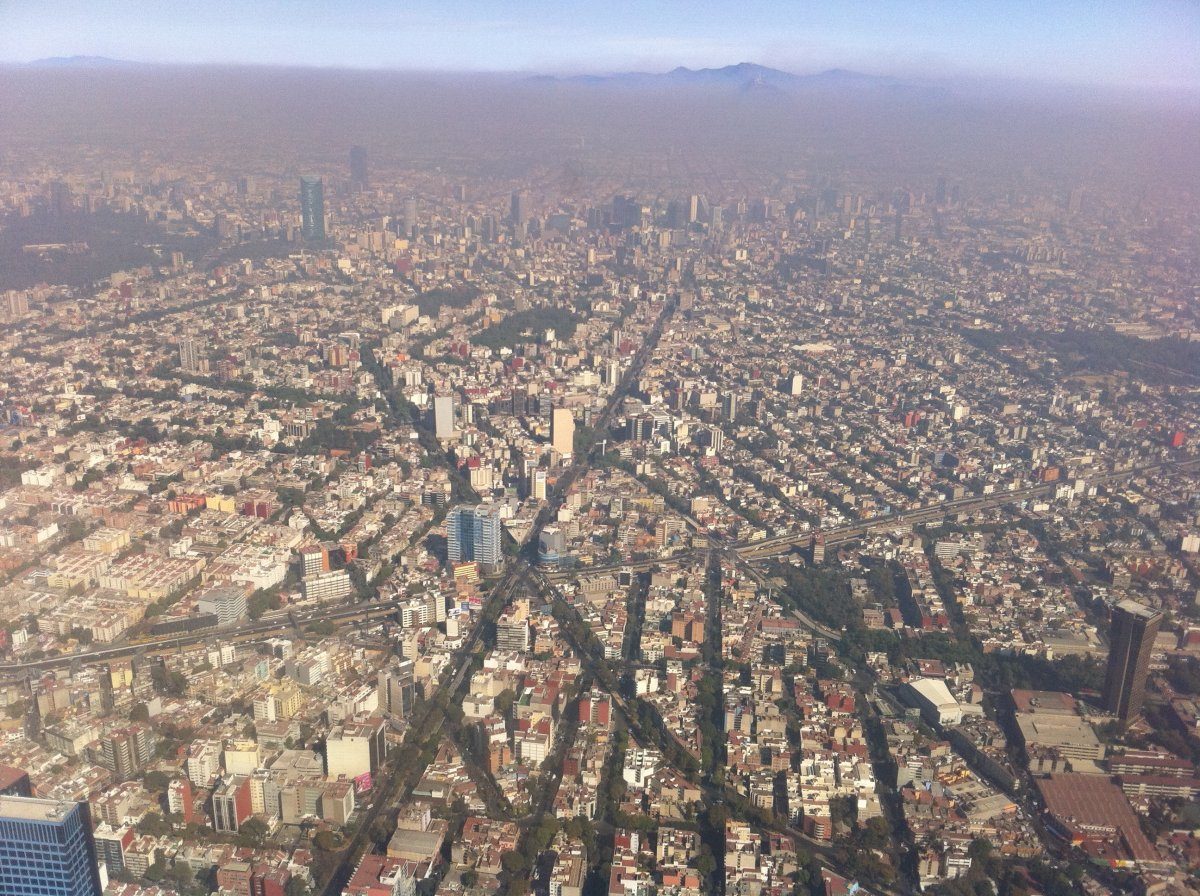
3. Choking Smog
With increasing urbanization, factory emissions and automobile use comes air pollution. City smog impacts human health, potentially leading to respiratory infections, heart disease, stroke, COPD, lung cancer and more. Mexico City is particularly plagued by air pollution due to its excessive population and valley location. Efforts to improve the air quality here have helped matters in recent years, but there is still a visible cloud of contaminants hovering over the mega-city that you can almost smell, taste and feel.
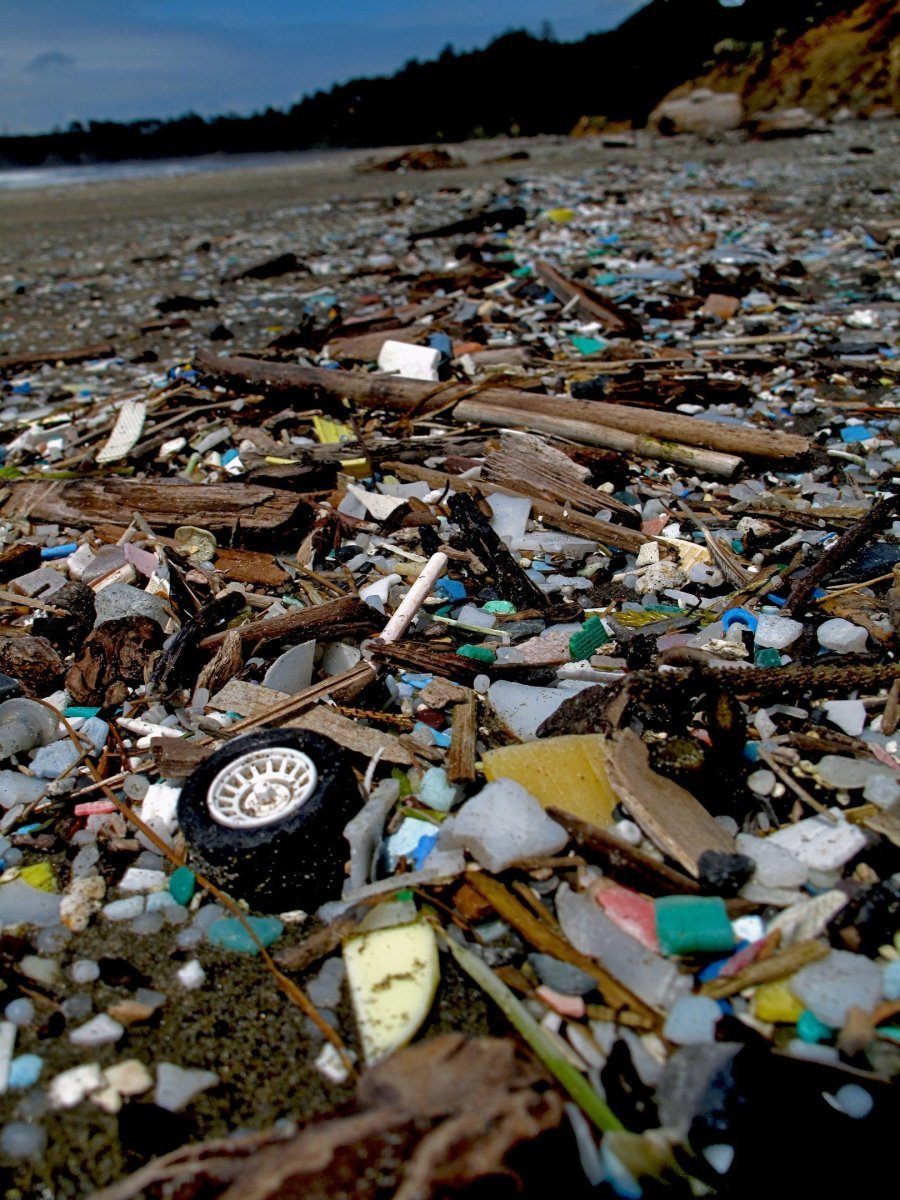
4. Plastics in the Ocean
Over eight million metric tons of plastic waste are dumped in the planet’s oceans each year. In some areas, you can see islands of swirling refuse floating on the surface, but ocean plastic has also been found in the deep sea, washed up on remote beaches and even buried in Arctic ice. When this debris is exposed to saltwater, sun and surf, it breaks down into tiny pieces cloaked with PCBs and other toxic pollutants. This is a grave concern impacting our marine ecology and the food chain, humans included.
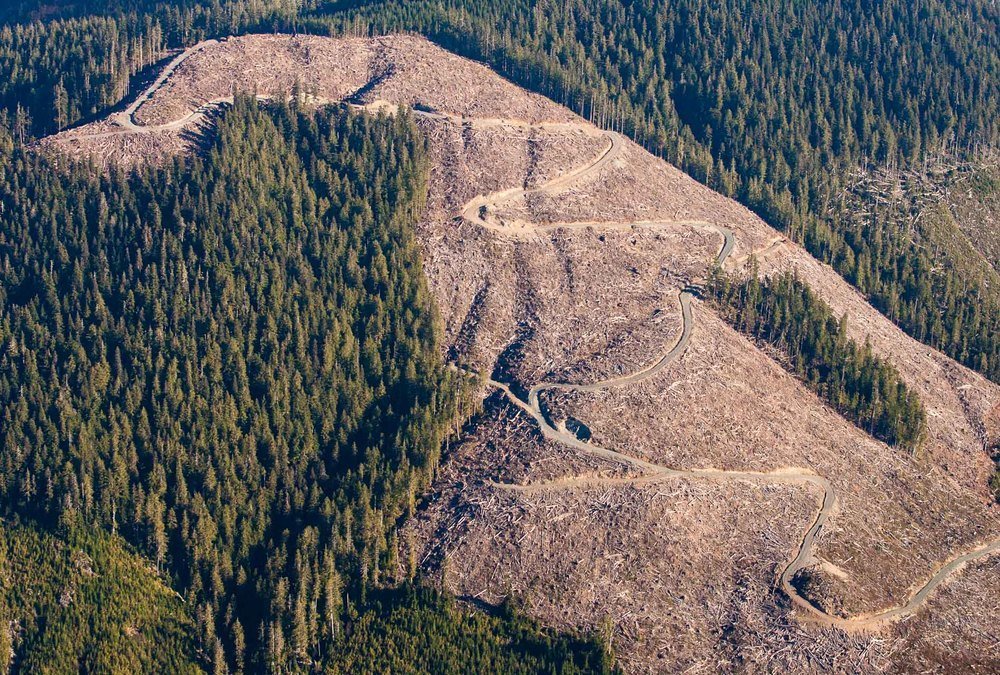
5. Clearcut Logging
Forestry has come under fire for its clearcutting practices, where vast swatches of trees are uniformly cut down in an area. This method has economic advantages for the logging companies, but the resulting deforestation is not good for the Earth. Natural habitats are destroyed and topsoil is depleted. Erosion leads to landslides, stream silt and flooding. We all know that Brazilian rainforests are being slashed and burned to make way for development, but even Canada and the U.S. are guilty of these unsustainable logging practices.
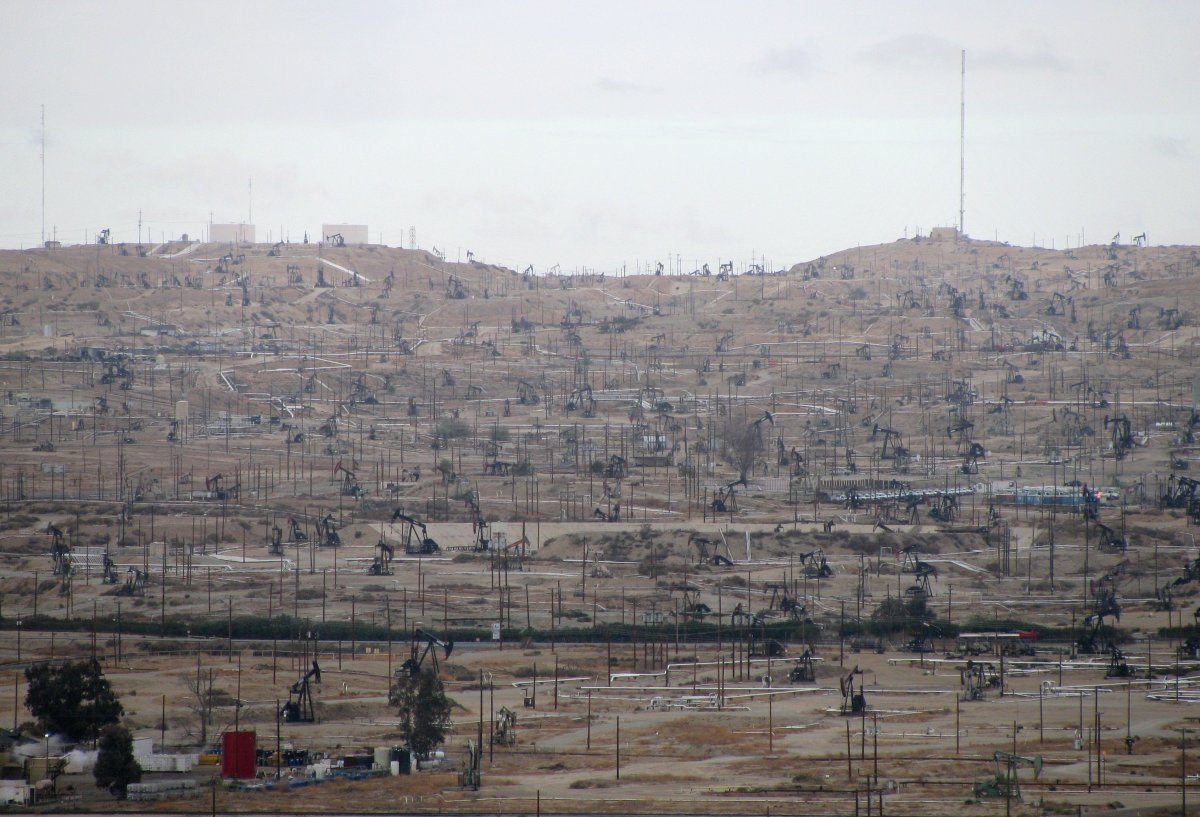
6. Oil Dependence
The petroleum industry has fueled much of the planet’s recent progress, but not without dire consequences. Much of the environmental destruction of the past century can be attributed to mankind’s prolific pursuit, processing and consumption of oil. However, it’s a non-renewable resource faced with eventual depletion. Even if you don’t believe the Peak Oil crisis is upon us, efforts to reduce our fossil fuel dependency and develop alternative energy sources should be a planetary priority.
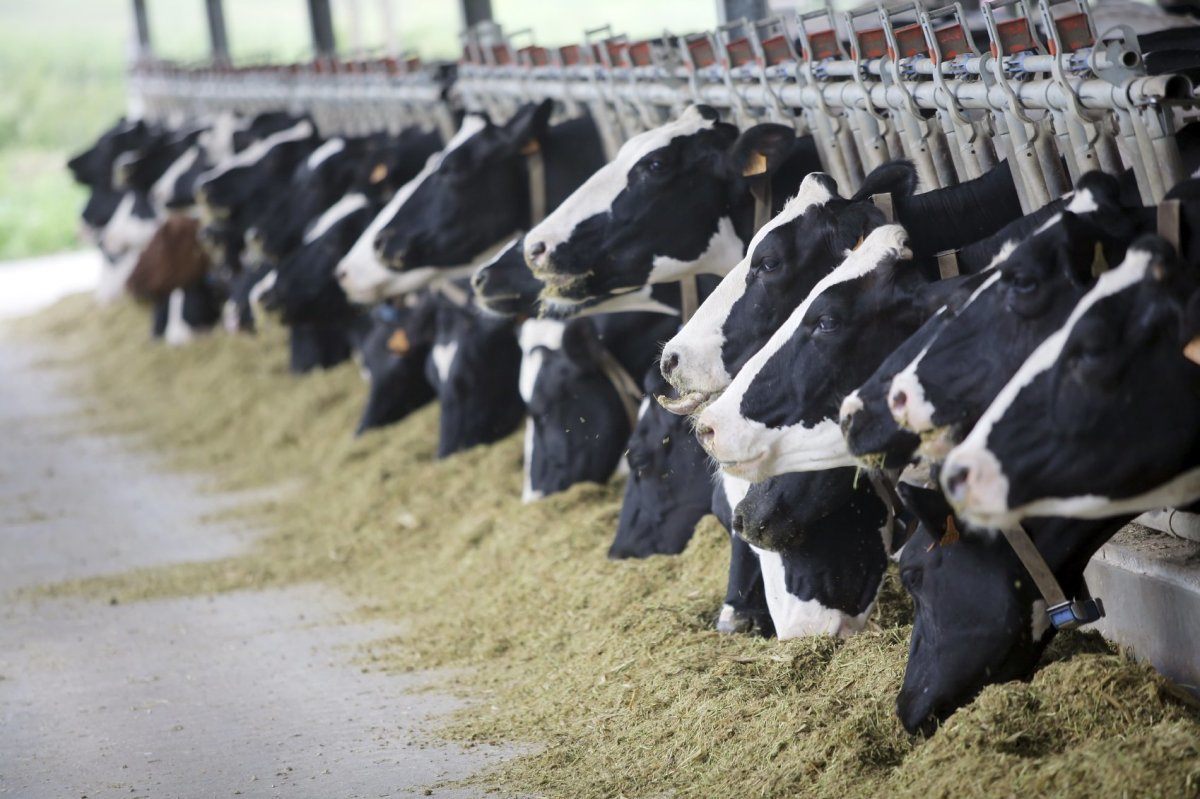
7. Factory Farming
Industrial factory farms that raise large numbers of livestock for food may be efficient for profit, but at the expense of animal welfare and human health. The majority of farm animals in the U.S. live in factory farms and are unethically packed into small indoor spaces where they can barely move. Raised in unsanitary conditions, the animals are pumped full of antibiotics and growth hormones, which meat-eaters then ingest. Consumers must demand better.
8. Overfishing
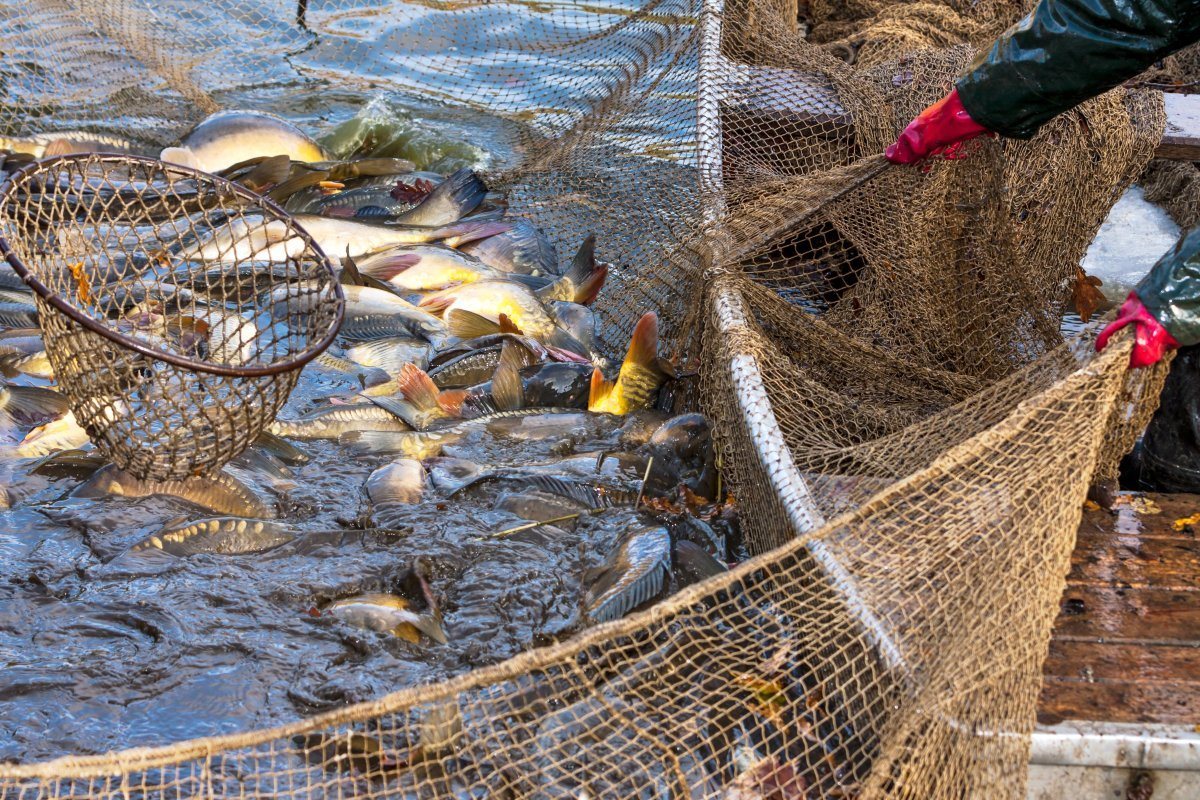
The Earth is three-quarters water, yet we are depleting our oceans of fish at an unsustainable rate. Commercial fishing fleets using bottom trawling and drift netting are taking more than is manageable, resulting in the disruption of entire ecosystems. 75% of the world’s fish stocks are being harvested faster than they can reproduce, and 80% are already fully exploited or in decline. 90% of all large predatory fish including tuna, cod, halibut, swordfish and sharks are already gone. Unless we take measures to stop overfishing, the industry may collapse in a few short decades.
9. Melting Ice Caps
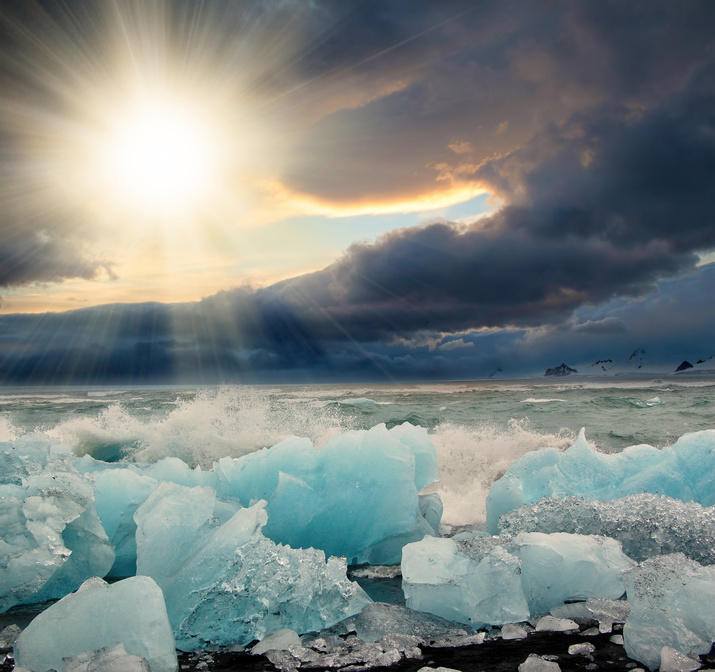
Recent studies show that the Greenland and Antarctic ice caps are losing ice at a rate of 500 cubic km a year. The Arctic cap is shrinking at a rate of about 3% per decade. Whether you believe this is due to human activity or just a natural cycle, the rising ocean levels and resulting climate change will undoubtedly destabilize the planet in untold ways.
10. Out-of-Control Consumer Culture
Buy, buy, buy! There’s no denying that rampant consumerism is impacting the Earth and our quality of life. We are producing and acquiring goods and services in ever-greater amounts. It has been the engine of western economies for quite some time, and now the developing world is jumping into the game. Mass production, materialism and brand obsession are taking us away from things that truly matter. When will we learn that “stuff” rarely brings lasting happiness and satisfaction?

11. Hazardous Nuclear Power Plants
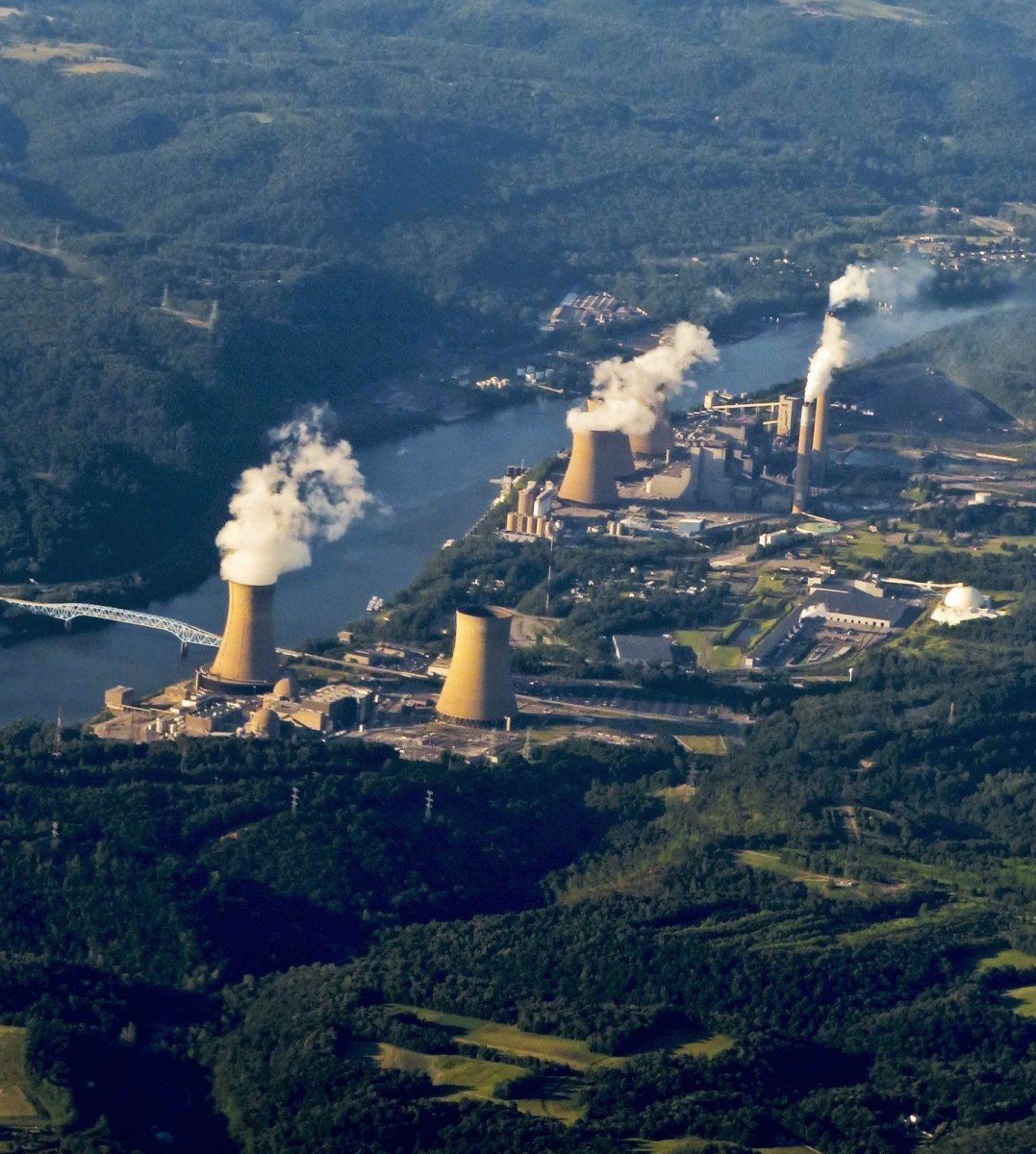
Three Mile Island, Chernobyl and Fukushima are just some of the major nuclear disasters that have occurred in the last few decades, releasing harmful levels of radiation into the environment. While some believe nuclear power is an efficient energy source, the tragic consequences of inevitable mishaps surely outweigh the benefits. Natural disasters, human error, terrorist attacks and aging reactors pose a threat to all nuclear power plants.
12. Intensive Agriculture
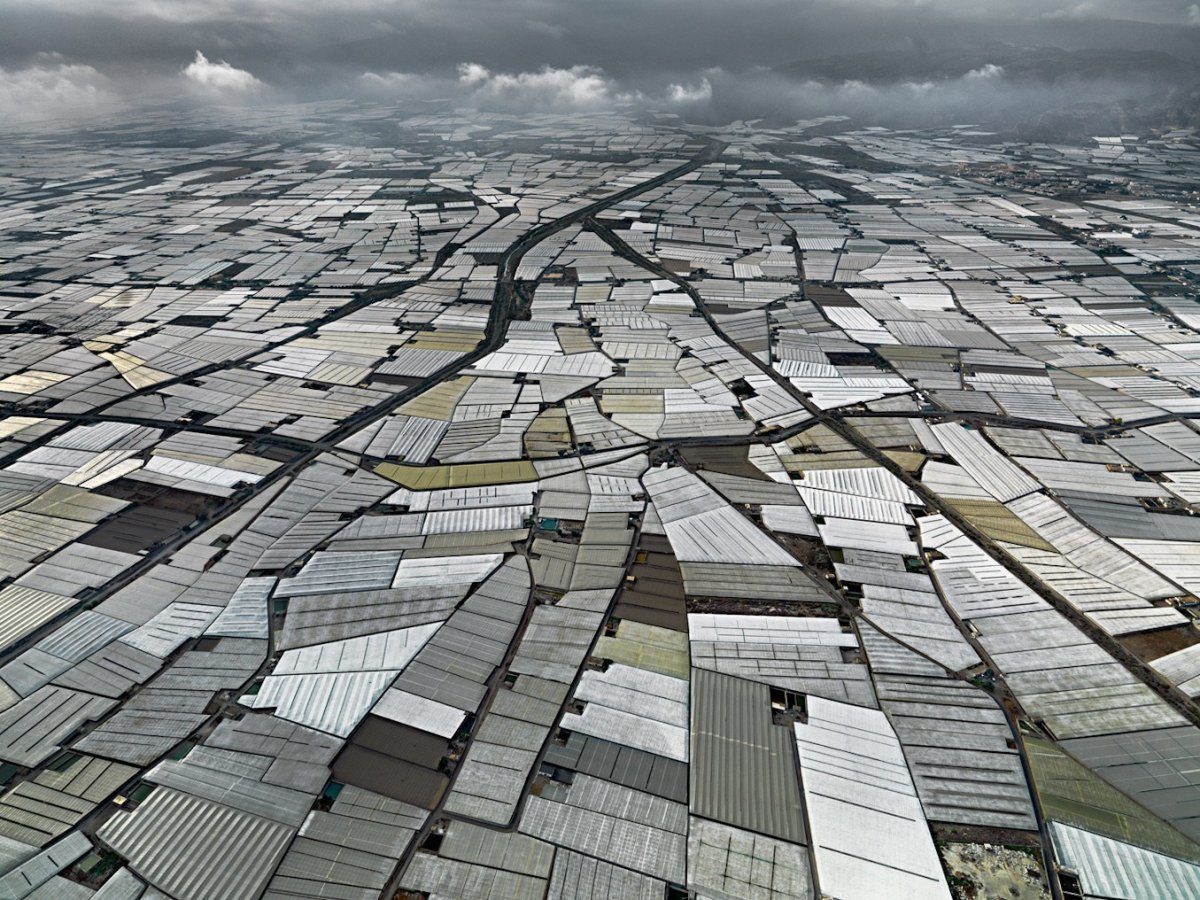
At first glance, mega-agribusinesses like the one in Almeria, Spain seem like a step in the right direction towards feeding the world. It boasts the world’s largest concentration of greenhouses, covering 26,000 hectares that can be seen from space. This region supplies more than half of Europe’s demand for fruits and vegetables, all grown under plastic cover. However, concerns over fertilizers, pesticides, water usage, plastic waste and exploitation of workers have been raised in regards to industrial farming practices. As consumers, do we really need a full range of cheap produce 12 months a year, or should we enjoy the locally grown seasonal bounty like our grandparents did?
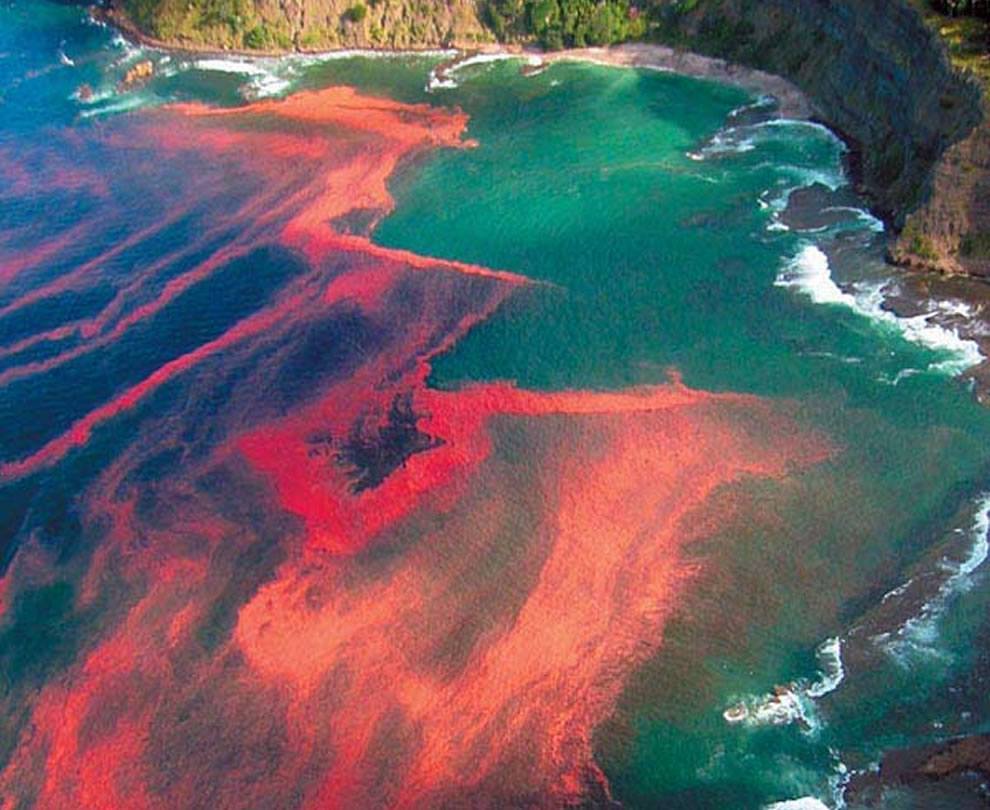
13. Red Tides
Algal blooms are becoming more frequent occurrences with higher-than-normal concentrations of microscopic phytoplankton plaguing the waters. Most red tides produce toxic chemicals that can affect both marine life and humans. For example, residents near the Florida red tides complain of respiratory ailments, skin irritations and contaminated shellfish. While some of these blooms are are natural fluctuations, most are fueled by nutrient pollution related to urban or agricultural runoff. These are just some of the countless ways how humans destroy Earth.