It would take several lifetimes to explore the Earth to the fullest, but some of us can’t help but be curious about what lies beyond our terrestrial borders, too. It may not yet be possible to book a trip into space (although there are some space tourism opportunities currently in the works), but it doesn’t hurt to dream about the final frontier. Get a load of these stunning pics taken out in the vast and wondrous universe. A small fleet of photographing telescopes on various satellites, spacecraft and rovers have been deployed these last few decades, snapping astounding images that eclipse just about any selfie you could take on this planet. Click through these trips that are out of this world and be wowed.
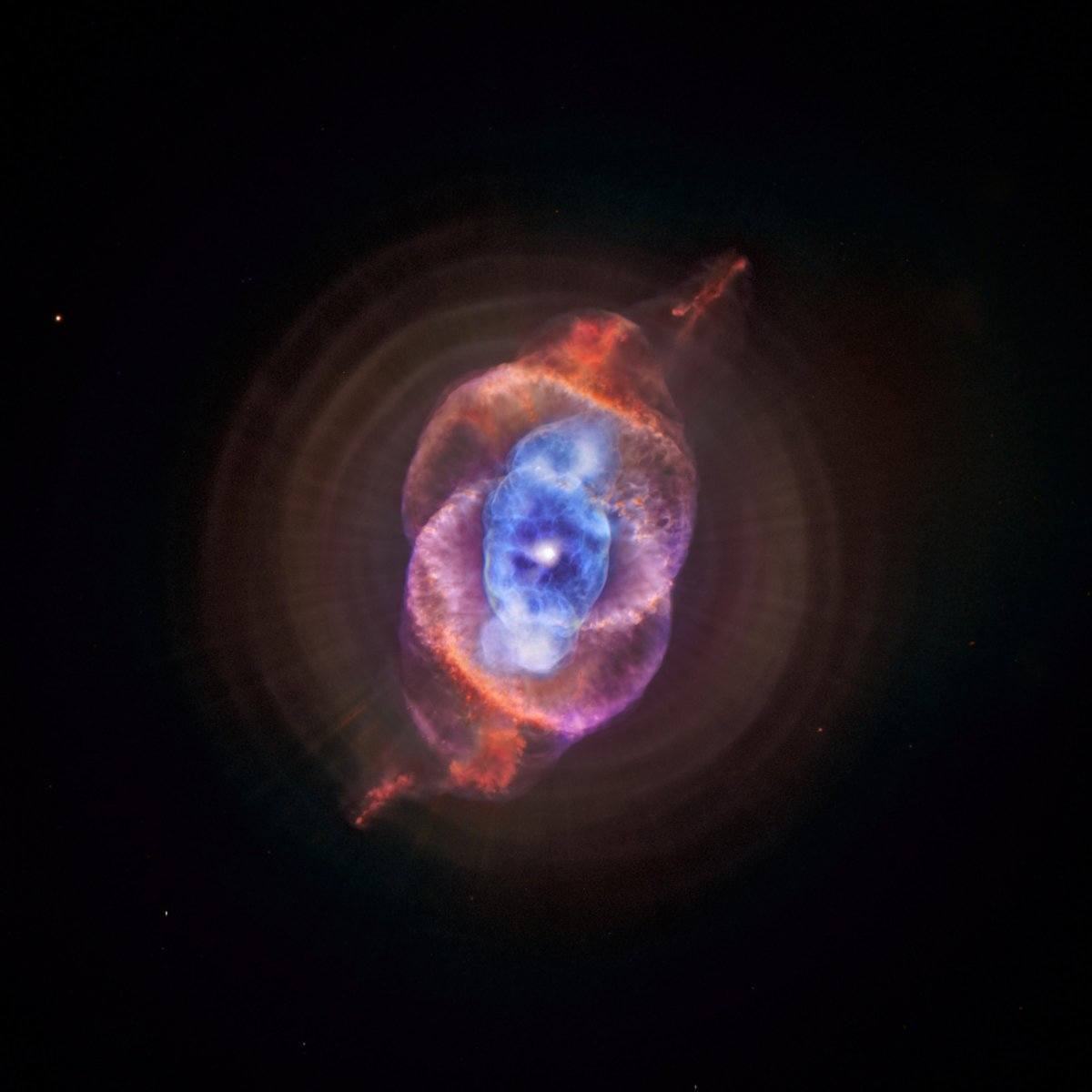
1. Cat’s Eye Nebula
You might need to save up a lot of frequent flyer points to see the Cat’s Eye nebula, a swirling cloud of gas and dust in the Draco constellation. Otherwise known as NGC 6543, the color-enhanced high-resolution image by the Hubble Space Telescope shows complex knots, jets, bubbles and arcs. This mesmerizing photo seems to stare right back at you.
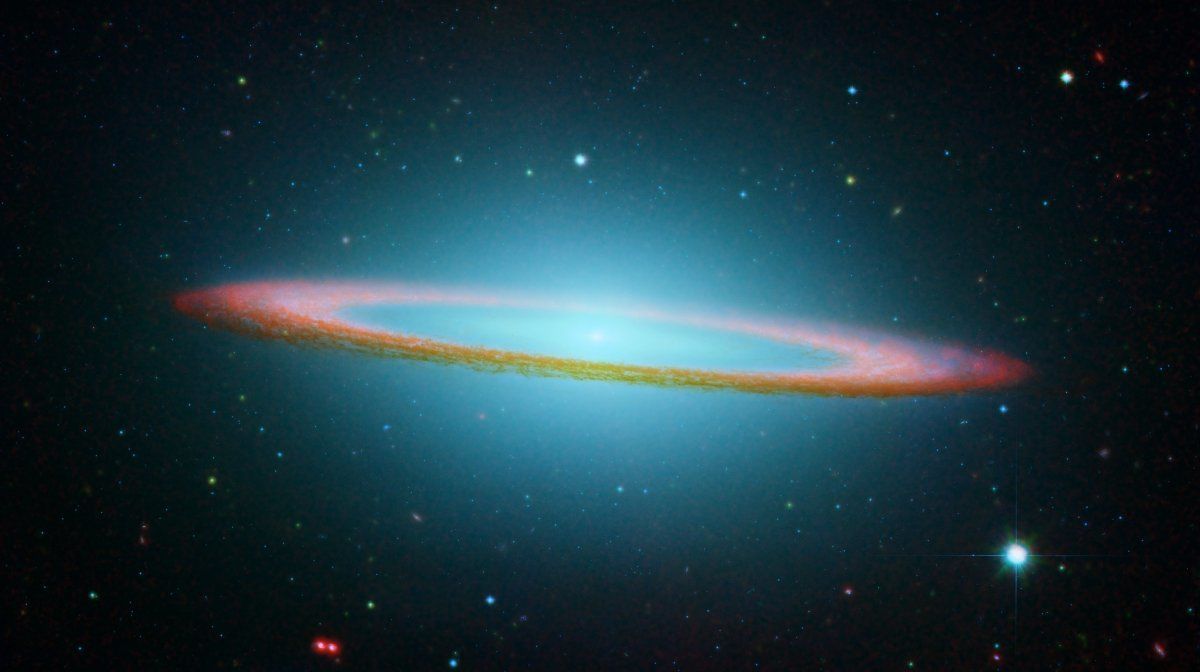
2. Sombrero Galaxy
This hat-shaped galaxy in the constellation Virgo is located a mere 28 million light years from Earth. It has a bright nucleus surrounded by a distinctive dust lane that forms a photogenic ring around it.
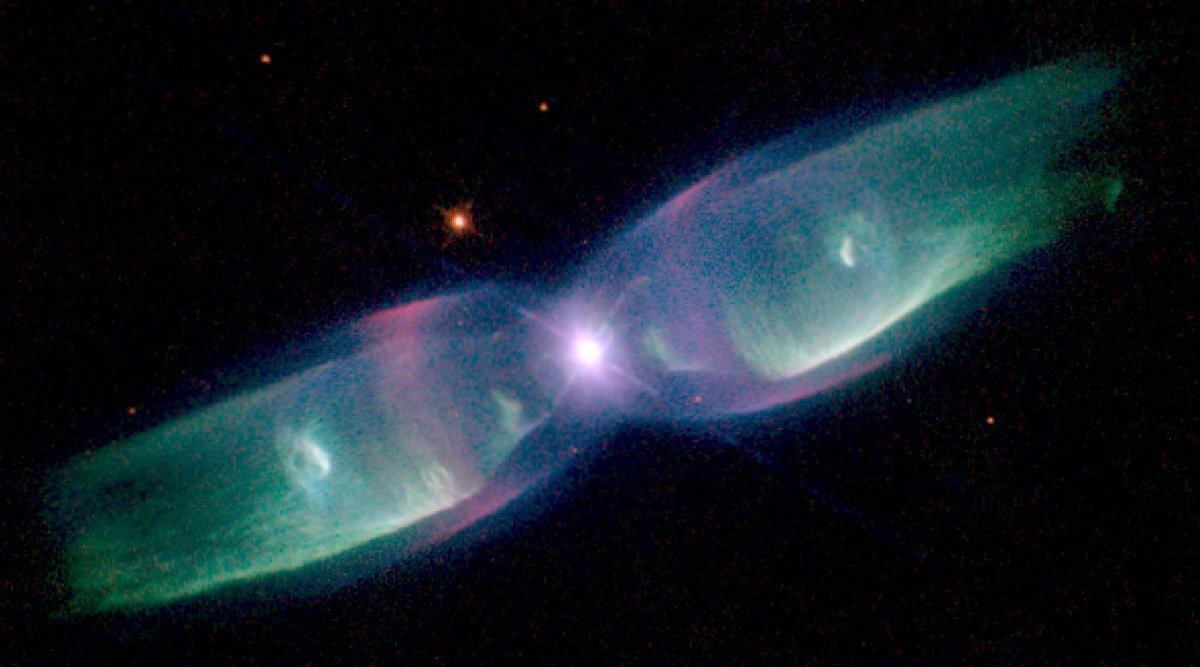
3. Wings of a Butterfly Nebula
This gob-smacking one is officially known as Planetary Nebula M2-9, but “Wings of a Butterfly” has a more poetic ring to it. It’s what is known as a bipolar nebula, not a reference to its mental health but rather its two-lobed structure. It looks like something out of a modern art museum.
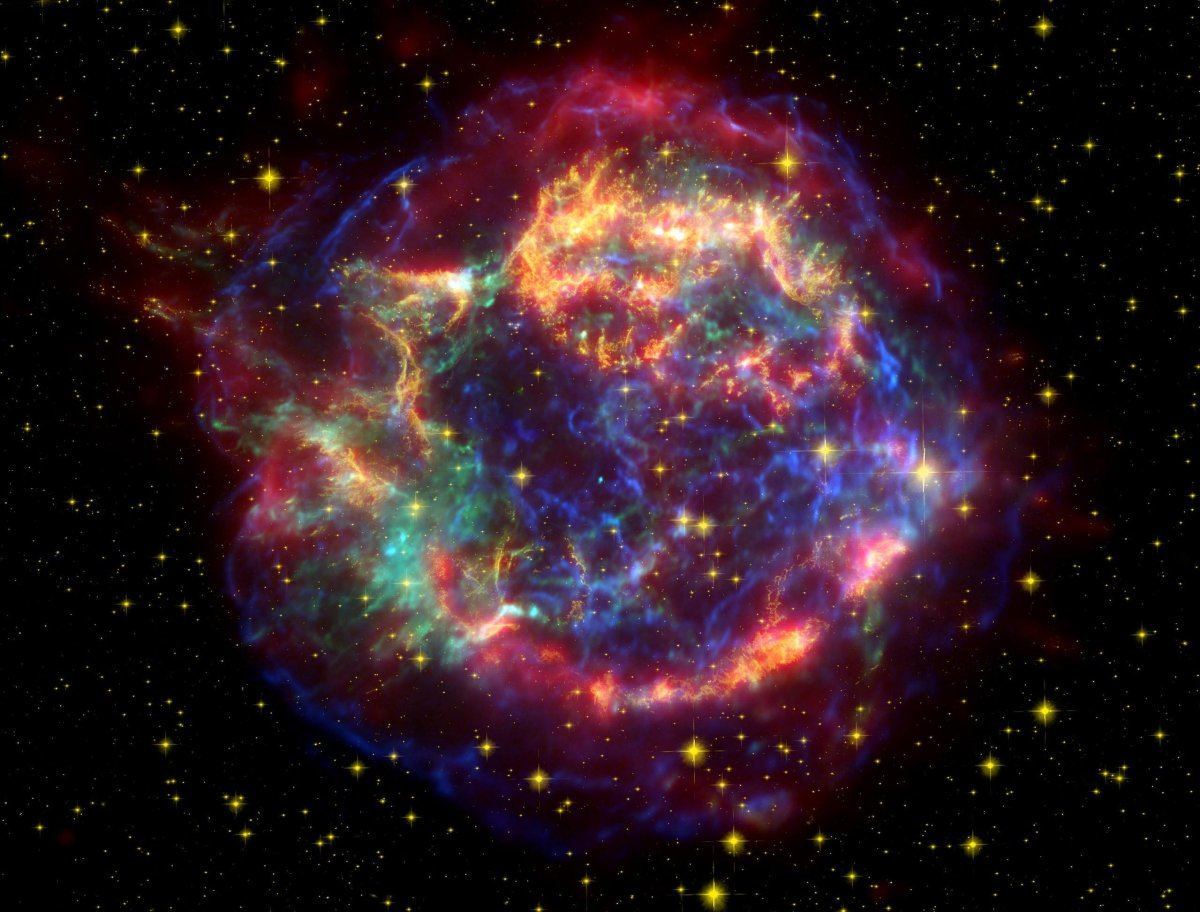
4. Cassiopeia A Supernova
Is this what Oasis was referring to when they sang about a champagne supernova in the sky? The gorgeous glob is essentially an expanding cloud of material left over from a stellar explosion. The image is a composite of data from three sources, the Spitzer Space Telescope, the Hubble Space Telescope and the Chandra X-ray Observatory.
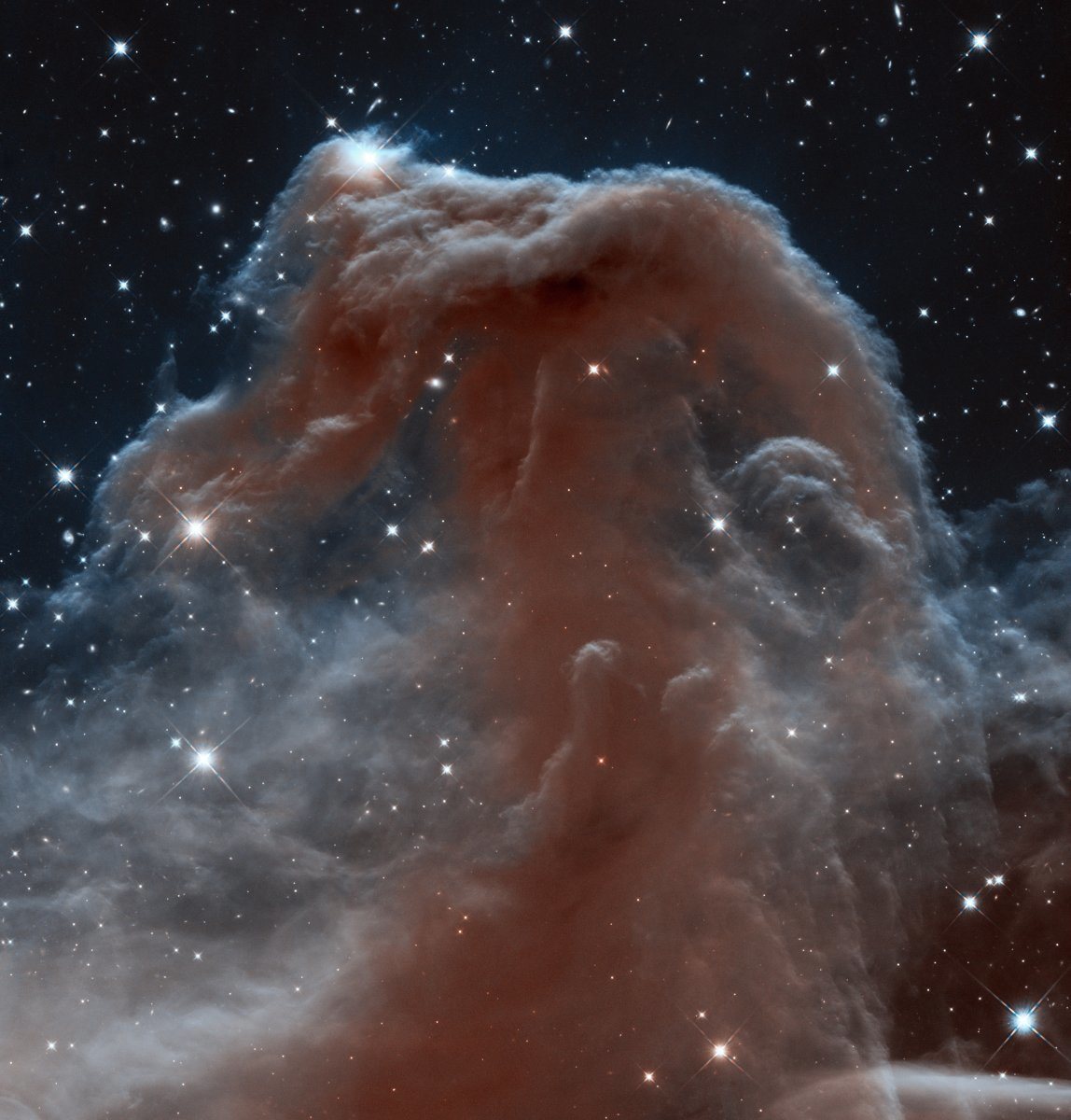
5. Horsehead Nebula
Can you imagine seeing this out the window of your spacecraft? It’s officially known as Barnard 33, but it doesn’t take a rocket scientist to see why it got its horsehead name. This dark nebula is located on the east side of Orion’s belt, just 1500 light years from Earth. It glows a pinkish red due to hydrogen gas behind it.
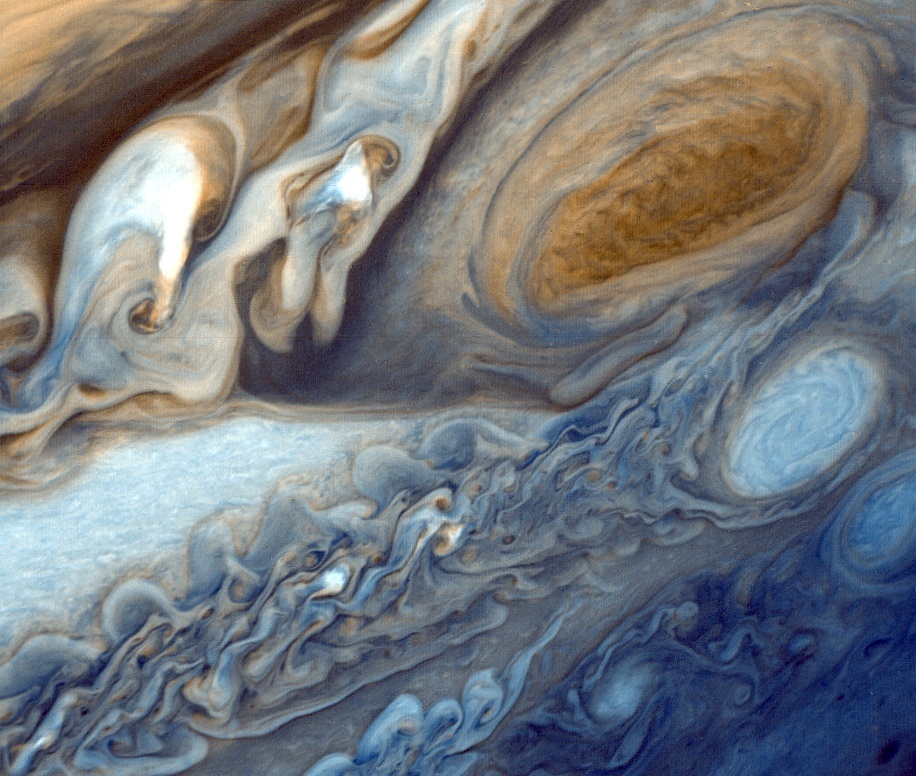
6. Jupiter
A little closer to home, Jupiter has been a scenic focus of the flyby paparazzi known as Voyager 1 and 2. Their closeups of this planet’s moons and red spot are visually astounding. Voyager 1 snapped 19,000 frames and Voyager 2 took another 33,000 pics of this planetary rock star (or gas giant, to be more accurate).
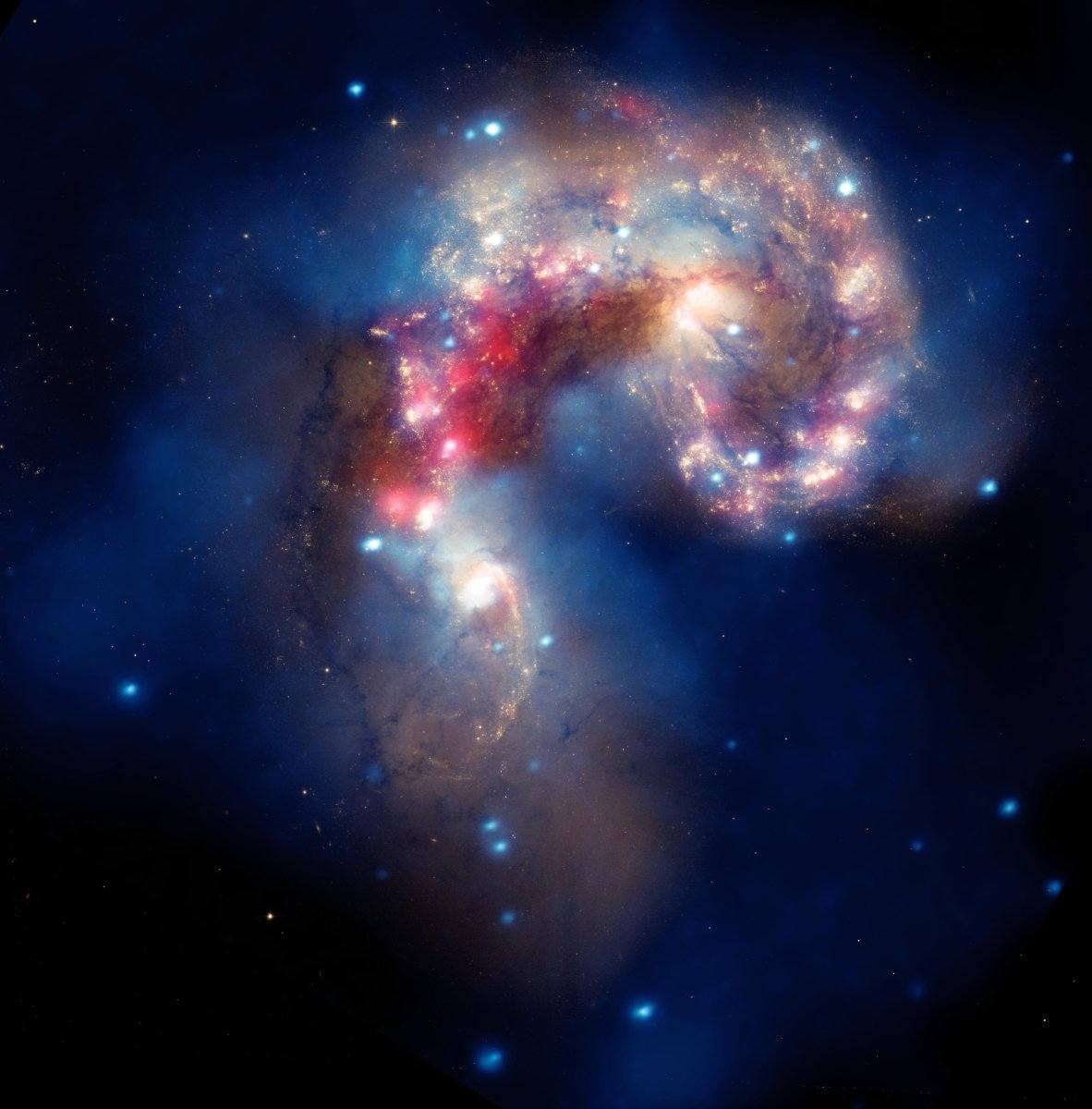
7. Antennae Galaxies
If you happen to be passing through the constellation Corvus, check out the the Antennae galaxies, or NGC 4038/NGC 4039 if you want to get technical. This entwined duo of interacting galaxies is currently experiencing a starburst phase, where the collision of gas and dust clouds entangle with magnetic fields, causing rapid star formation. A star is born!
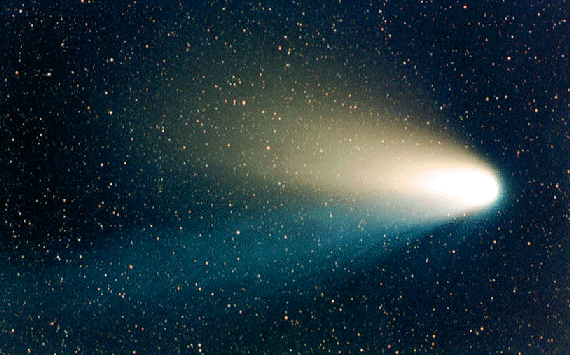
8. Hale-Bopp Comet
If space travel isn’t in your thing, just sit back for a few thousand years and this celestial body will come to you. Discovered by two American amateurs in 1995, this bright dirty snow ball swung by Earth in 1997 and was visible by the naked eye for about 18 months. This comet was one of the first astronomical sensations to hit the Internet, causing a traffic jam on NASA’s JPL website.
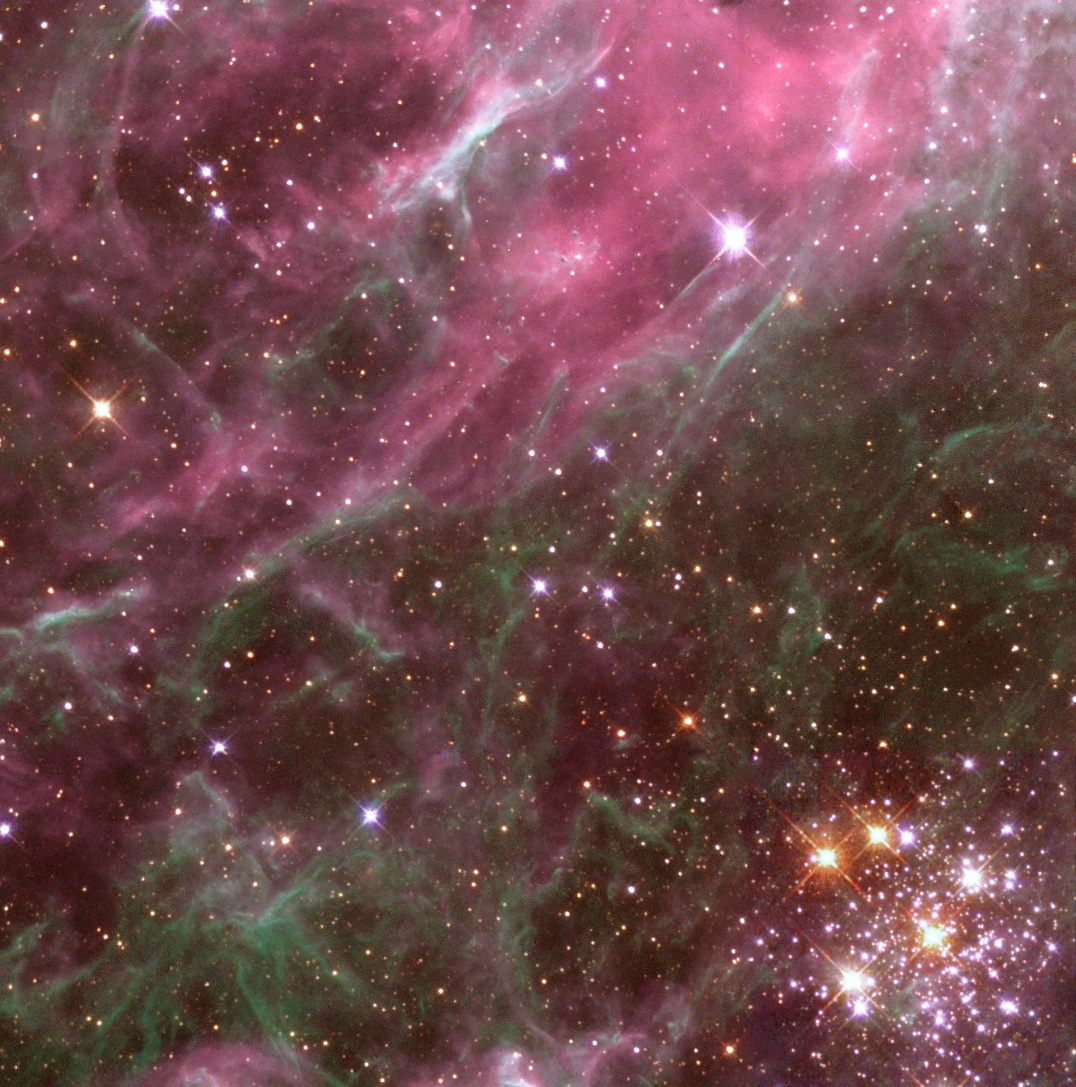
9. Tarantula Nebula
Despite its off-putting name to us arachnophobics, the luminous Tarantula Nebula is another celestial beauty in the night sky. The bright stars in the Tarantula Nebula release a torrent of ultraviolet light and stellar winds that etch away at the hydrogen gas cloud they sprang from. You don’t have to understand astronomy to see that it’s breathtaking.
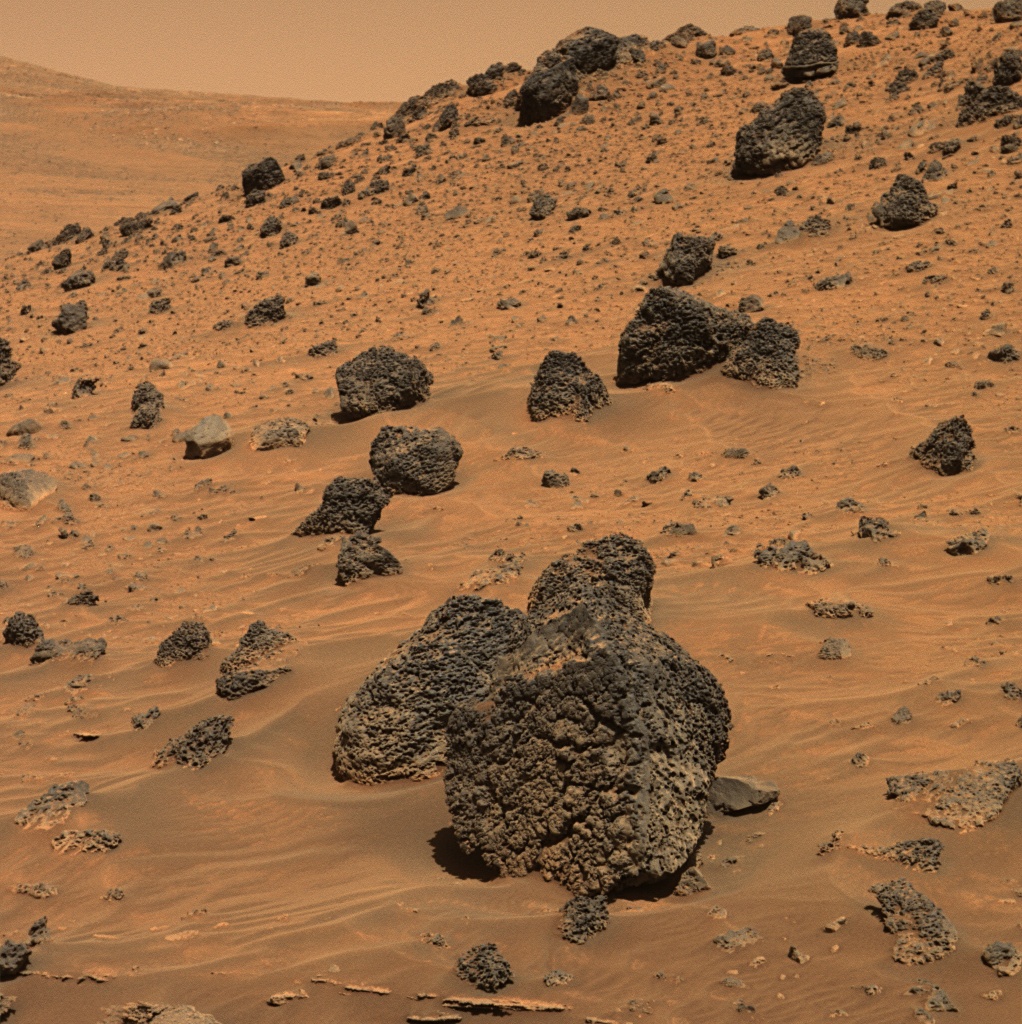
10. Mars
Man has been marveling at Mars for millennia, and being one of our closest neighbors, the Red Planet has fueled many a space-trip fantasy. In fact, there are a few manned missions to Mars in the works, so an interplanetary visit in our lifetime is not out of the question. In the meantime, we can gaze upon images from the NASA’s Mars Rovers who are dutifully beaming incredible images and data back to Earth.
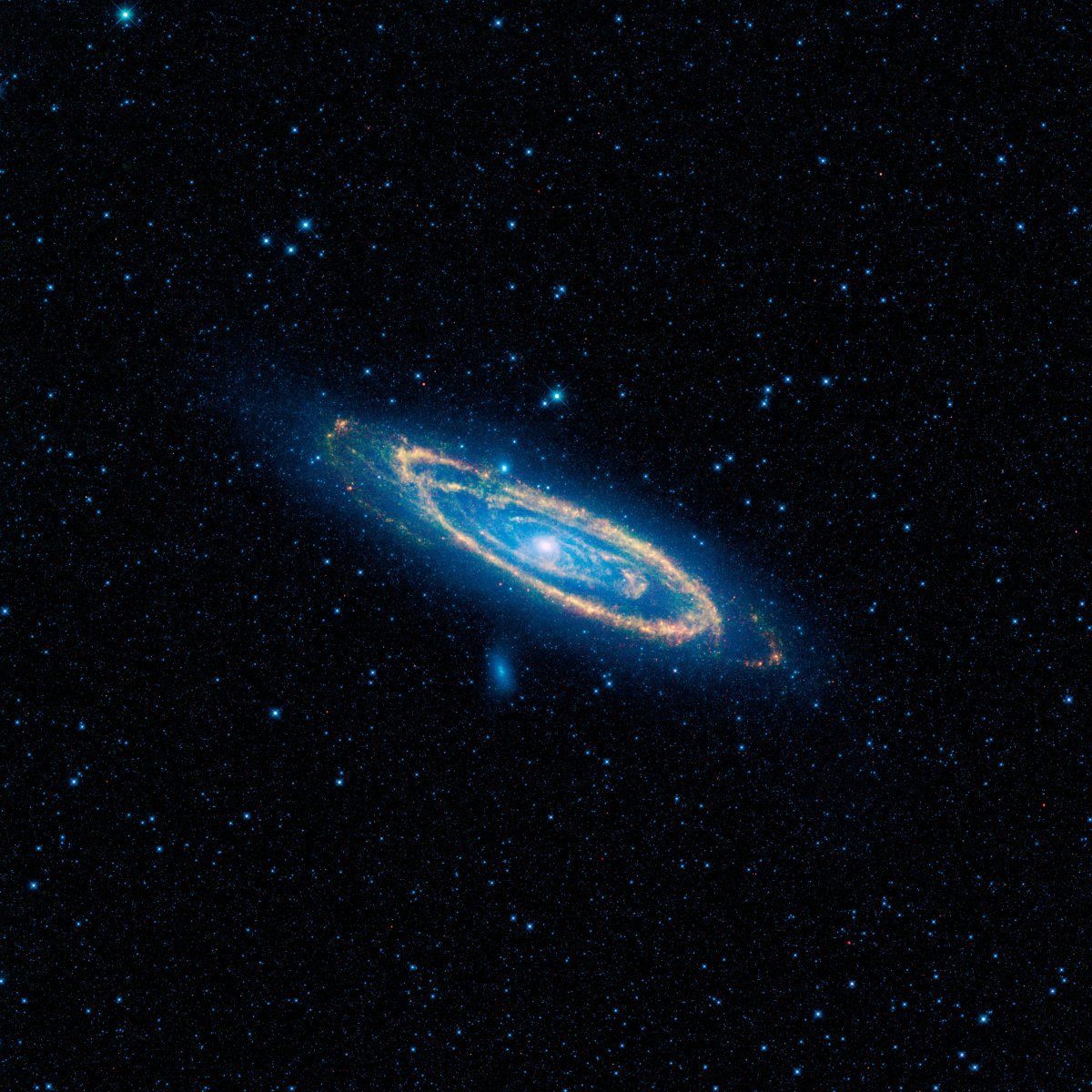
11. Andromeda Galaxy
This scenic spiral galaxy is 2.5 million light years from here, the nearest and most massive major galaxy to our own. It’s a beautiful sight to behold, despite the fact that it is expected to collide with the Milky Way in about 4 billion years.
12. Reflection Nebula DG 129
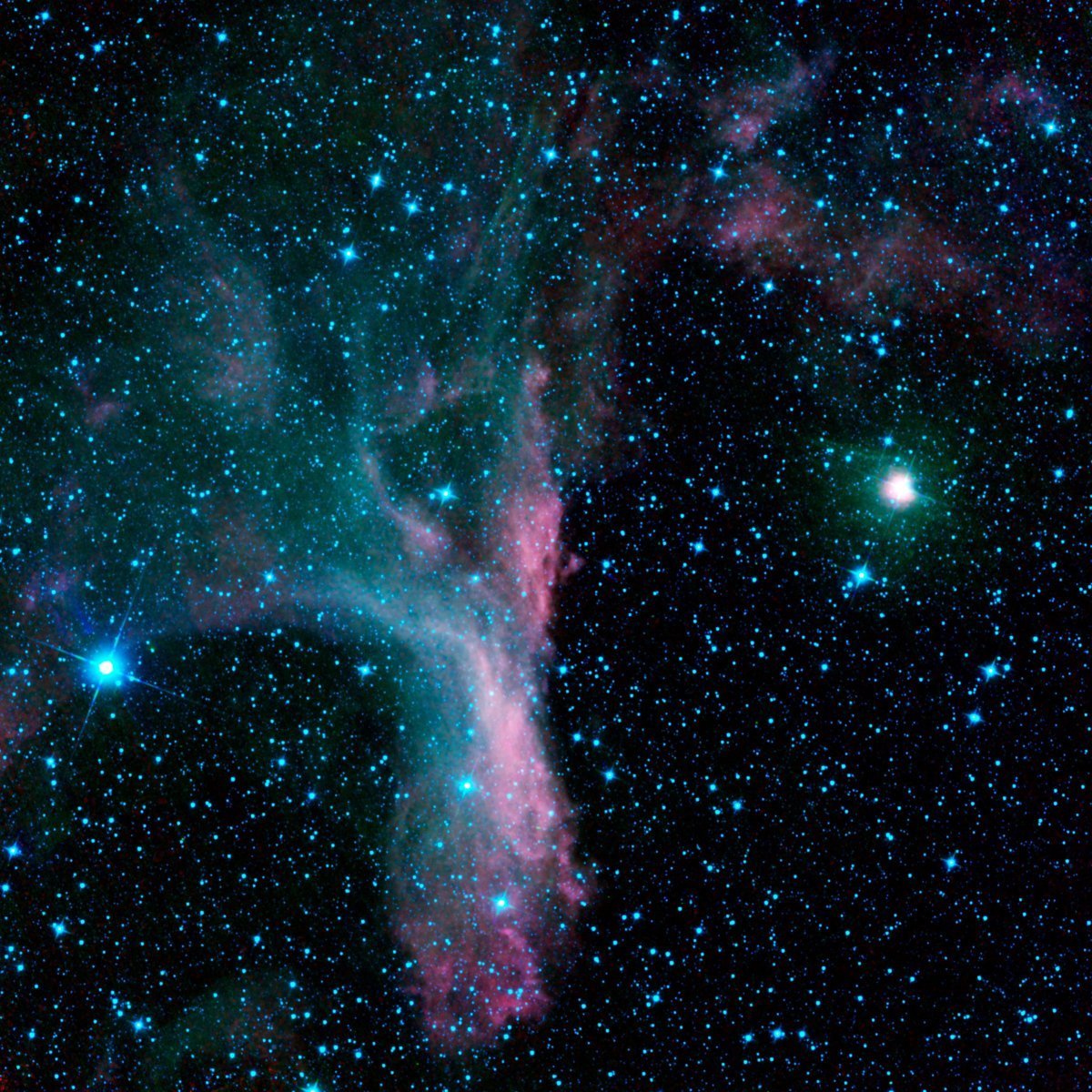
Nobody has bothered to give this reflection nebula a name worthy of a tourist brochure yet, but it sure looks spectacular nonetheless. Situated just outside the claws of the Scorpius constellation, this swoosh of dust and gas reflects light from its neighboring stars. This image was taken by NASA’s Wide-field Infrared Survey Explorer, or WISE. Some people think it looks like a cosmic “okay” sign in the sky. What do you think?