Poisonous Water, Toxic Soil, and Irradiated Livestock
These hardscrabble women made the trade-off to live happily on their own terms in their beloved Motherland for however much time they have left rather than hope for a few more years of mediocre existence elsewhere. After all, longevity isn’t the only goal of life, right?
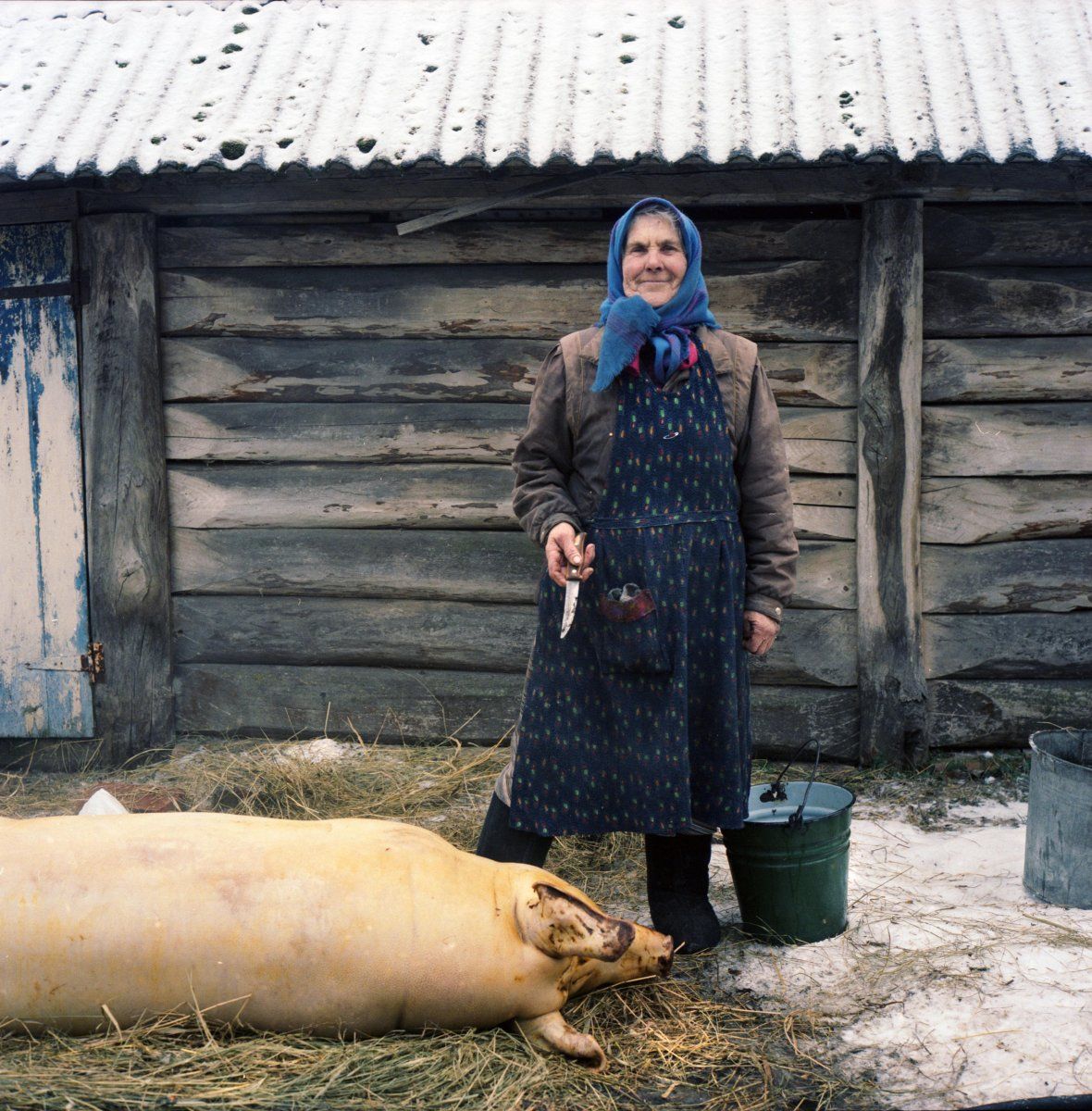
These are not divas with a death wish. They’ve simply made peace with the possible health consequences and choose to dwell in their ancestral home because that’s where they feel they belong. Against all odds, they’ve managed to live drinking poisonous water, growing vegetables in toxic soil, and butchering irradiated livestock. It defies logic, but perhaps that devil-may-care attitude has somehow protected them.
The Palliative Powers of Home
Holly Morris, who made a documentary about these fascinating women, said in a TED Talk, “It’s not that the women haven’t suffered enormously, or that nuclear contamination isn’t bad (they have and it is) – but the babushkas’ unlikely survival raises fascinating questions about the palliative powers of home, and even the tonic of living a self-determined life.”
One of the resilient women she interviewed for the film, Hannah Zavorotnya, explains that she and her family were unhappy with their relocation situation. When they and several members of their collective farm returned home three months after the nuclear accident, the Soviet officials strongly objected. However, she defiantly said, “Shoot us and dig the grave; otherwise we’re staying.” And that was that.

“Radioactive Man”
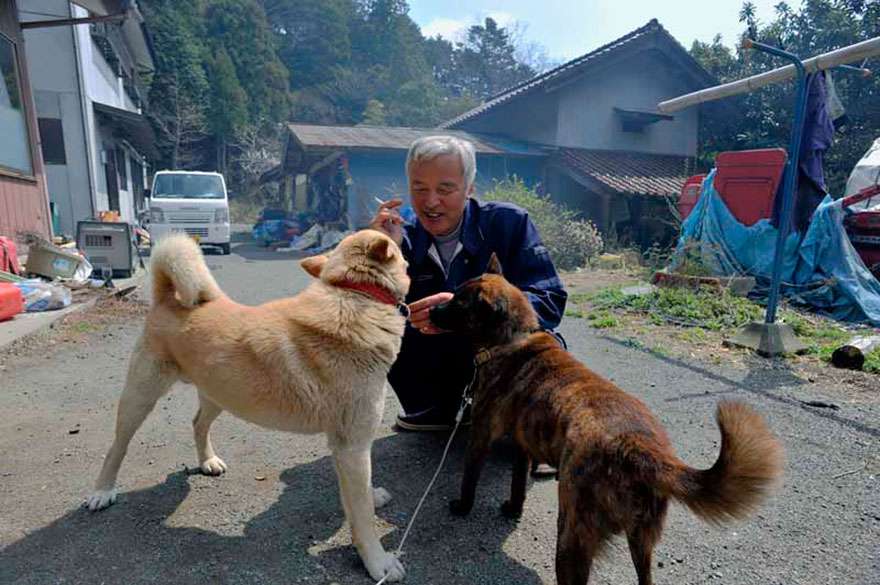
This isn’t the only nuclear exclusion zone in the world that is inhabited. There’s a man in Japan who defiantly opts to live about five miles from the crippled Fukushima nuclear plant.
Naoto Matsumura, 56, is the only remaining person in the town of Tomioka, a once thriving community of 16,000 prior to the earthquake and tsunami that hit on March 11, 2011 which triggered the world’s worst nuclear accident in 25 years.
Nicknamed “Radioactive Man,” the risk-taking rice farmer disobeyed government evacuation orders and has remained in town to feed the area’s farm animals and abandoned pets, including his own herd of 50 cows and two ostriches. While his intentions seem noble, he is exposed to about 17 times the level of radiation considered safe. He survives on relief supplies and water delivered from outside the area.