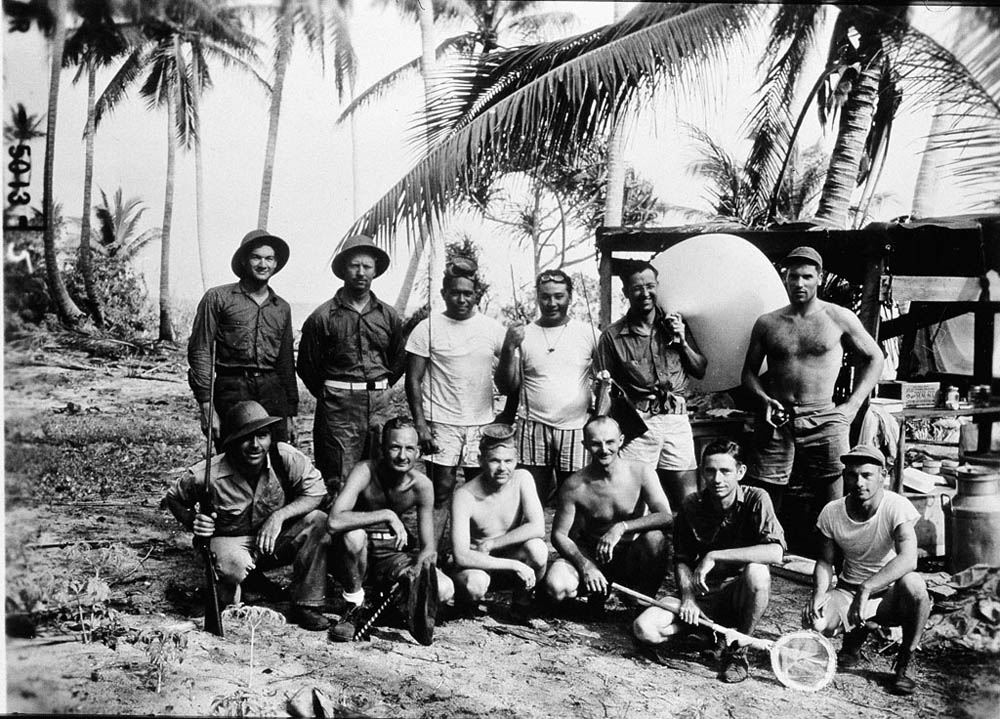
In an isolated spot in the middle of the Pacific Ocean lies the Bikini Atoll, a tranquil patch consisting of 23 small islands so minute that they barely merited mention prior to 1945. It was then, in the midst of the Second World War, that the United States marshaled their best scientists and directed their efforts in the creation of one of the most awe-inspiring and monstrous creations known to man: the atomic bomb. Over more than a decade, 23 nuclear devices were detonated on the small island chain as the United States sought to perfect their most horrible weapon. Nearly sixty years later, the impacts of those tests can still be felt. Here is a short history of the Bikini Atoll.
1. Truman’s Edict
In December of 1945, with the threat of atomic war so present, President Harry S. Truman declared that nuclear testing was a necessity of modern war. He instructed his highest ranking army and navy officials to find a secluded spot where the US could test the effects of atomic blasts on flora and fauna. Being an out-of-the-way spot in the Marshall Islands, the Bikini Atoll was chosen.
2. Relocating the Locals
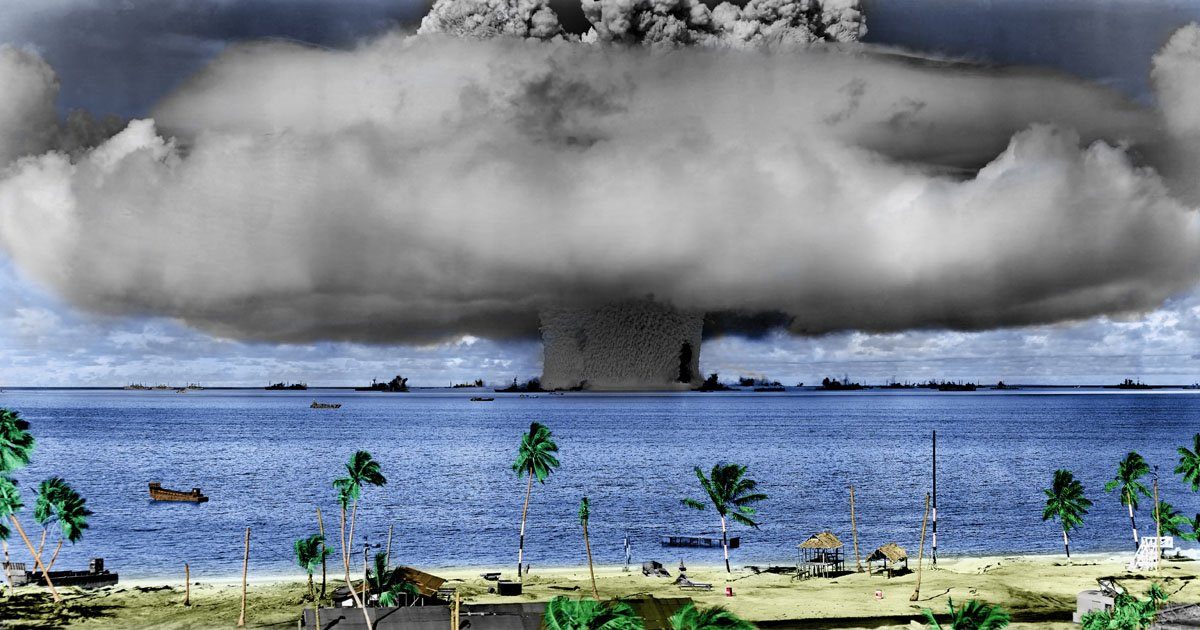
In February of 1946, Commodore Ben Wyatt relocated the island chain’s 167 residents. He explained to the people that their move would only be temporary, and that their sacrifice would be in the service of helping the United States put an end to all world wars. They were relocated to the nearby, uninhabited Rongerik Atoll, where they were essentially left by the US military.
3. Gathering Supplies
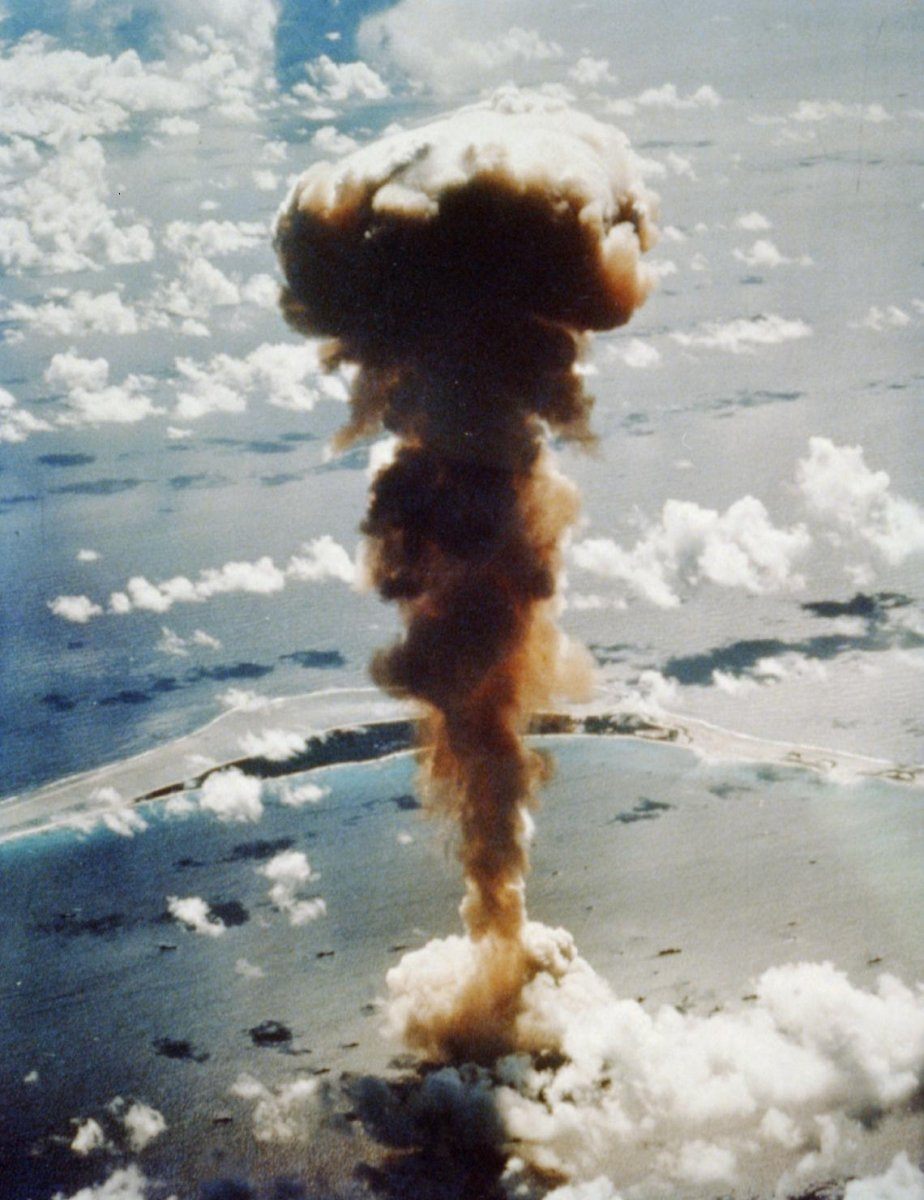
The American government was eager to get to work. It wasn’t long before 242 ships and 156 aircraft were drafted to start hauling supplies to the island chain. Among their cargo were some 25,000 radiation recording devices as well as more than 5,400 experimental rats, goats and pigs that were doomed to live very nasty lives in the wake of the tests.