10. The 1970s Return
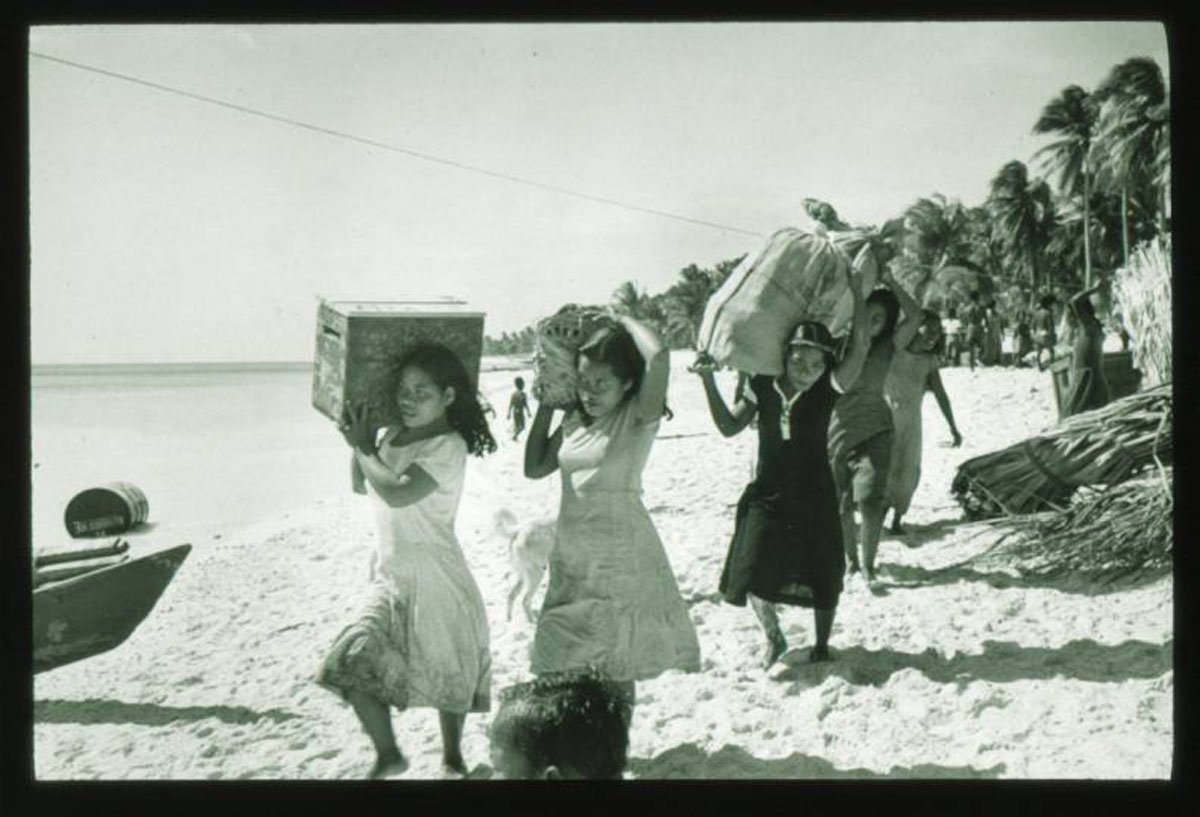
At the end of 1968, the United States was reasonably sure that most of the active radiation had left the Bikini Atoll, so they allowed the locals to return there. In the early seventies, 150 locals returned to the island, where they lived until 1978, when it was discovered that radiation had traveled through the island’s food chain and infected the islanders. After being relocated once more, the island has been uninhabited ever since.
11. The Habitable Radiation Zone
Today, 60 years after the atomic events, there continues to be misinformation and conflicting studies on the lingering radiation effects on the Bikini Atoll. Some studies suggest it is possible to live and work there with little threat of radiation damage, whereas others show radiation readings still exceed the minimum accepted levels. The big issue is food. All food needs to be imported, as local produce is not safe to eat in any form. While they’ve received more than $200 million in funds from the United States government, that’s nowhere near adequate to clean up the radiation effectively and so permanent resettlement of the atoll is not advised. Even nearby islands are at threat due to climate change and excessive flooding. It’s a crisis that needs to be addressed sooner than later.
12. Research on Bikini
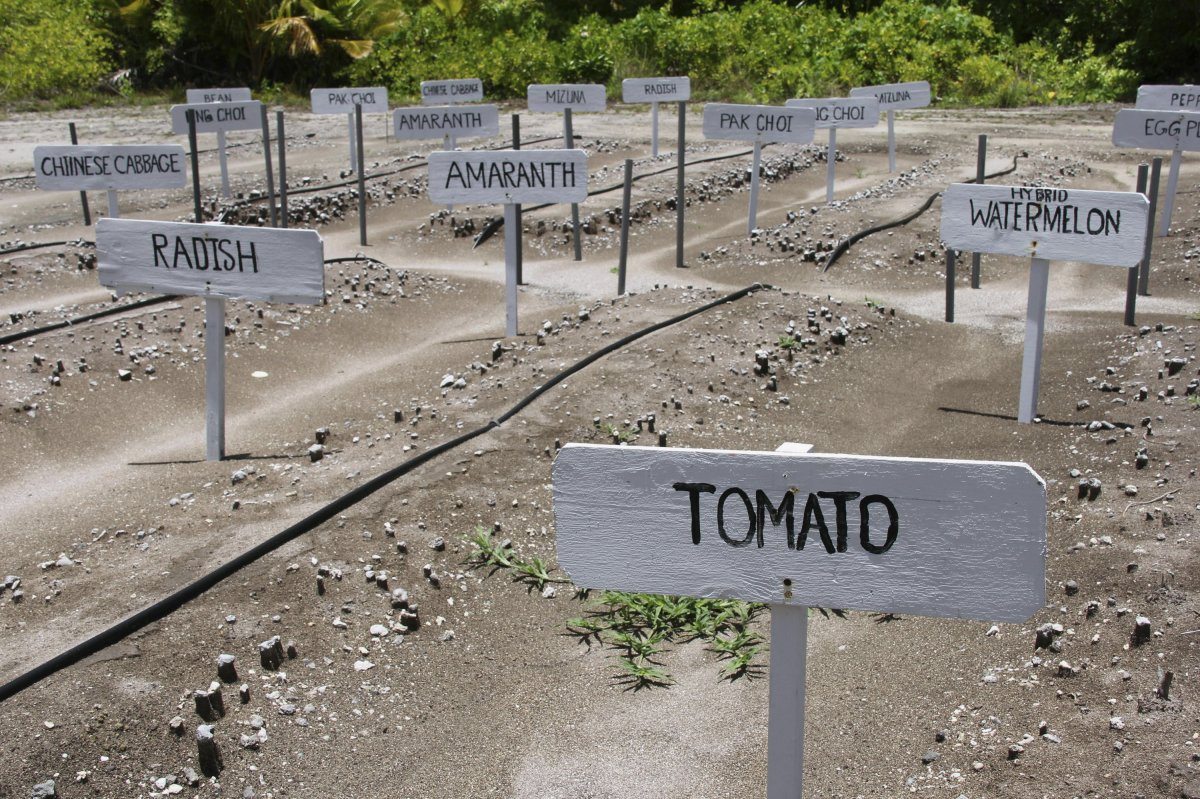
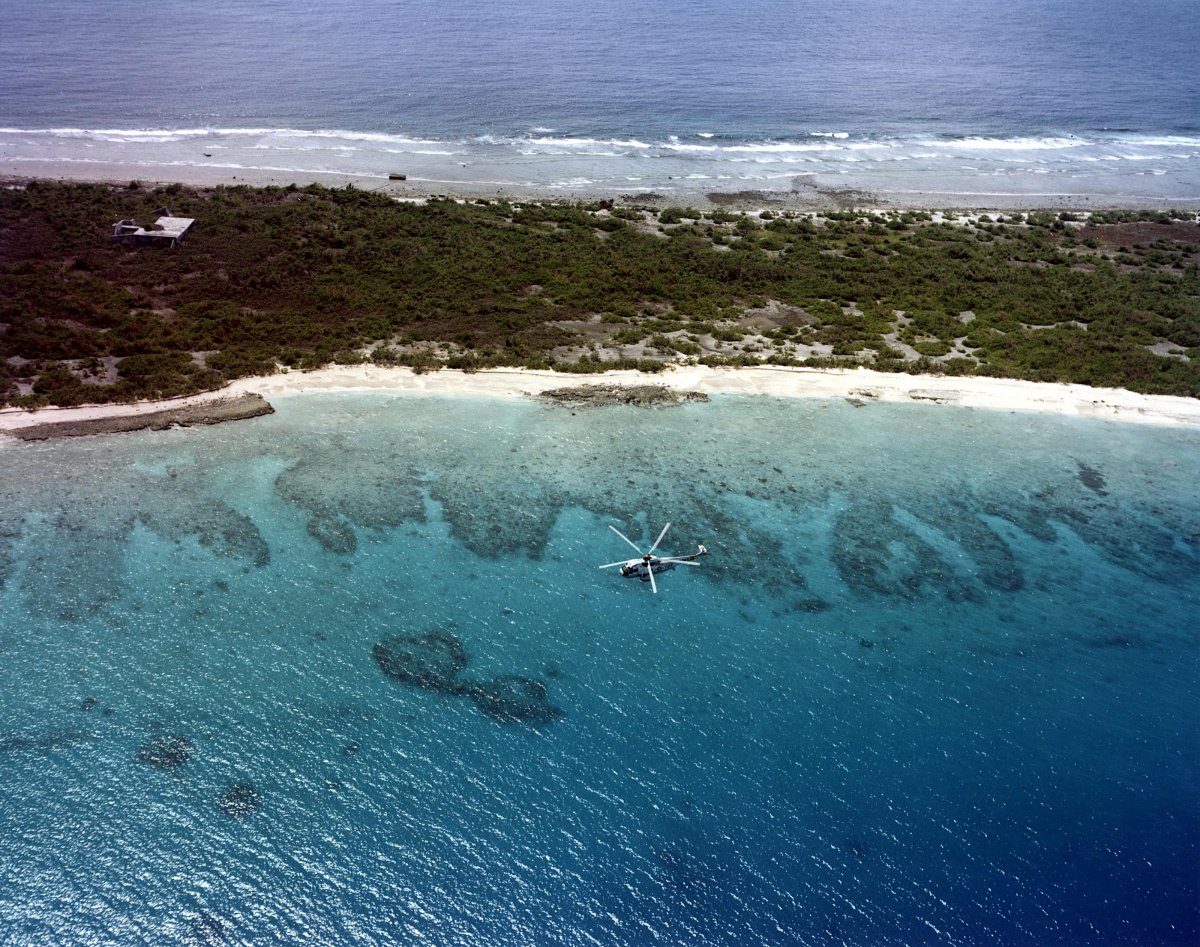
So the 2.4-sq.-km island is officially uninhabited, but there are small groups of researchers working there plus municipal officials go there occasionally for temporary visits. For example, there is an agricultural study underway to determine if tomatoes, radishes, watermelons and other produce can safely grow in the contaminated soil.