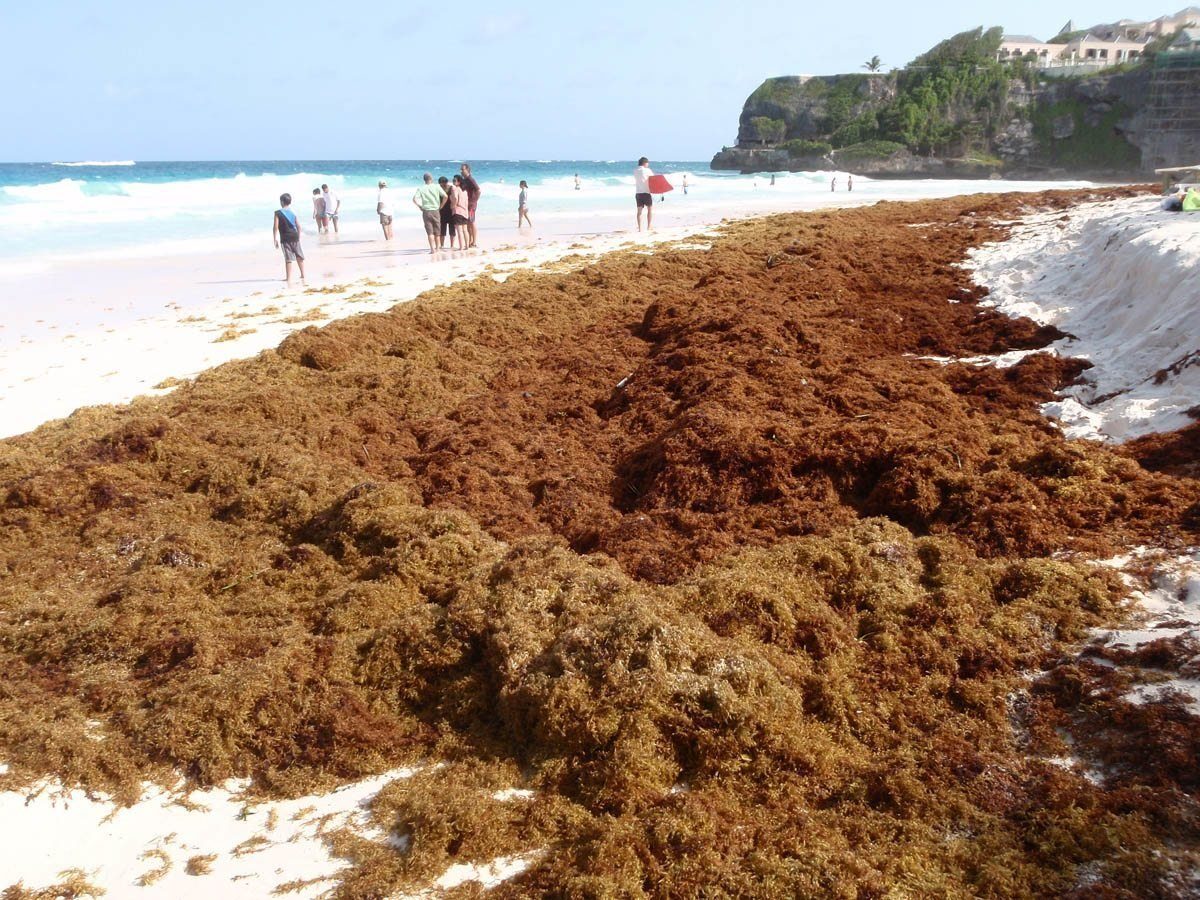
A strange phenomenon occurred in the Caribbean in 2011. A massive tide of sargassum, brown invasive algae, washed on to the shores of the region’s popular beaches. A similar event is occurring today. Tourism officials are disgruntled by the masses of smelly brown seaweed that are inundating coastlines. Although seaweed is normally seen as a nuisance for local residents and travelers, it does offer some ecological benefits. Plus, sargassum is only temporary and it’s fairly unpredictable, so don’t let its presence in the Caribbean affect your travel plans. Here’s what you need to know about sargassum in the Caribbean.
Checkout the latest sargassum report here…
1. Where Does Sargassum Come From?
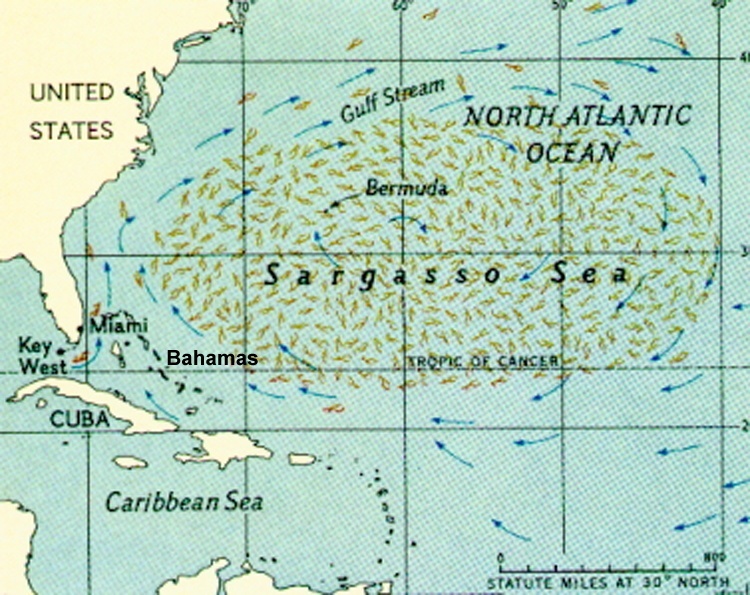
The algae originates in the Sargasso Sea in the Atlantic Ocean around Bermuda. The Atlantic is home to two species (S. natans and S. fluitans) which reproduce vegetatively and travel on the ocean’s surface. These two species are also found throughout the Caribbean and the Gulf of Mexico, transported by the Gulf Stream.
2. What Causes Sargassum Invasions?
An explanation for the sudden invasion of tons of algae on Caribbean shores is changing weather patterns and creating warmer temperatures in the region. According to one marine biologist, cooler autumn weather traditionally slows the algae’s growth, plus changes ocean circulation patterns, water temperature and nutrient systems and “typically keep the weed at sea.” As the sea temperature increases, sargasssum is more likely to make its way to the shores of Caribbean beaches.
3. Inhabits All of the World’s Oceans Except…
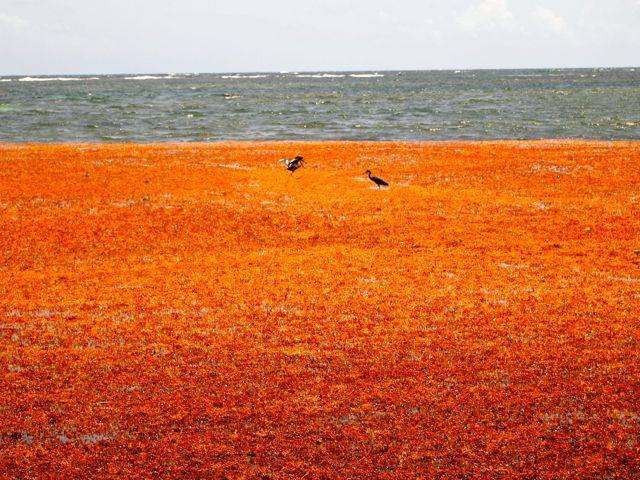
The Arctic. Sargassum can be found floating on the surface of the Pacific, Atlantic and Indian oceans, but you will not see the brown algae in the world’s most southern body of water.