In 1851, London hosted a Great Exhibition to promote British consumer goods, showcase wonders from around the world and feature technological advancements on the horizon. Since then, many cities have put on elaborate expos to varying degrees of success. Some were financial disasters, while others left ongoing legacies we still enjoy today. Many of these extravaganzas were the launching pads of innovative new products and architectural feats we can’t imagine a world without. Here are 13 things to thank world fairs for.
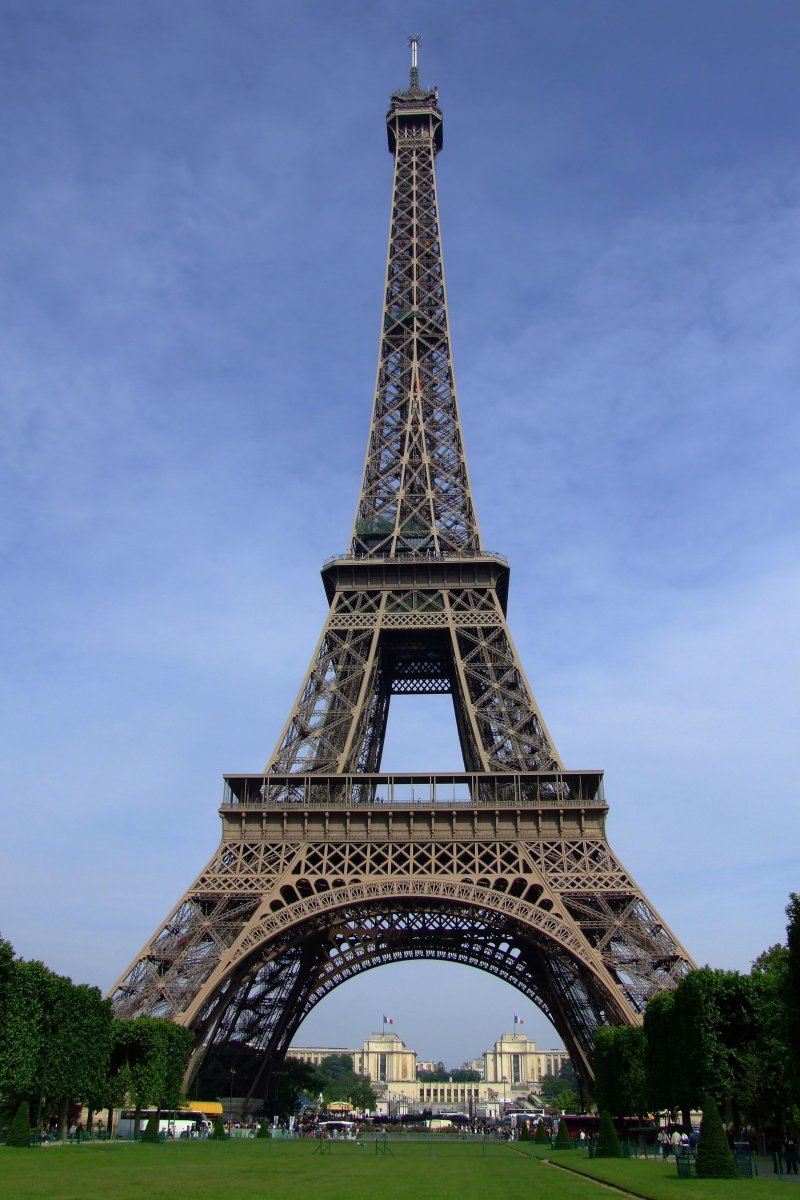
1. The Eiffel Tower
Perhaps the most famous leftover from a world fair is the gateway arch to the 1889 Universal Exposition in Paris. Believe it or not, this controversial structure was considered an eyesore at the time. The artistic elite actually petitioned the erection of this “useless”, “monstrous”, “barbaric” tower, calling it a “hateful column of bolted sheet metal.” Gustave Eiffel had a 20 year permit for his creation, and it was supposed to be dismantled in 1909. However, it still stands tall and proud today and has become the iconic symbol of Paris.
2. Cotton Candy
We’ve all enjoyed the fluffy spun sugar treat known as cotton candy, candy floss or fairy floss, depending on where you’re from. It was actually invented by an enterprising dentist, William Morrison, and confectioner, John C. Wharton, and was widely popularized at the 1904 St. Louis World’s Fair. It is now a carnival staple that children everywhere beg their parents for before bouncing off the walls on a sugar high.

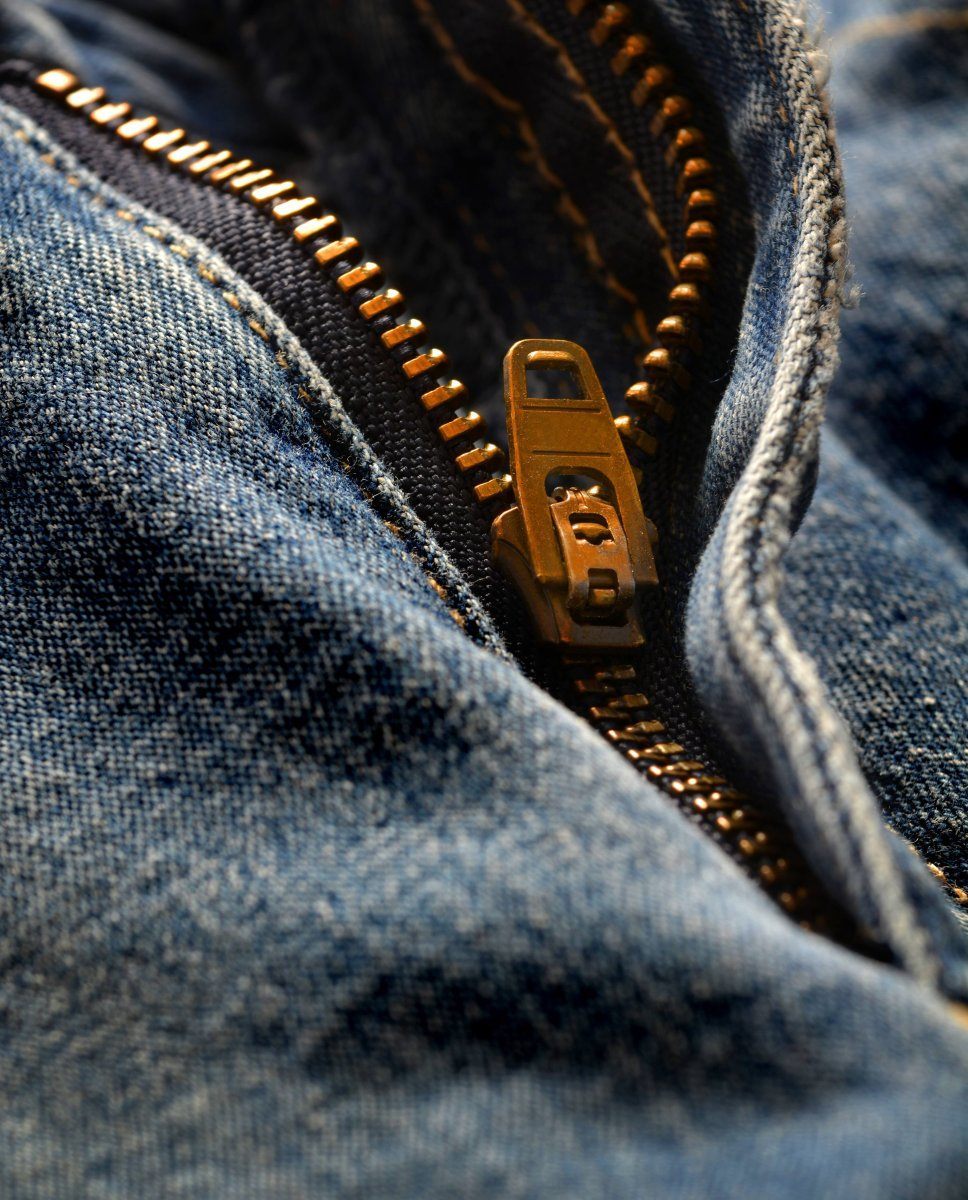
3. Zippers
You probably don’t give much thought to this utilitarian “hookless fastener”, but it revolutionized the garment industry back in the day. There were previous designs of a similar nature, but the precursor to the zipper made its debut at the 1893 Chicago World’s Fair. It didn’t have a huge impact, however. Over the next twenty years, further modifications and improvements were made by Gideon Sundback, until the modern zipper as we know it evolved in 1913. However, without that exposure in Chicago, we might still be fastening our clothes and luggage with buttons, buckles and laces.
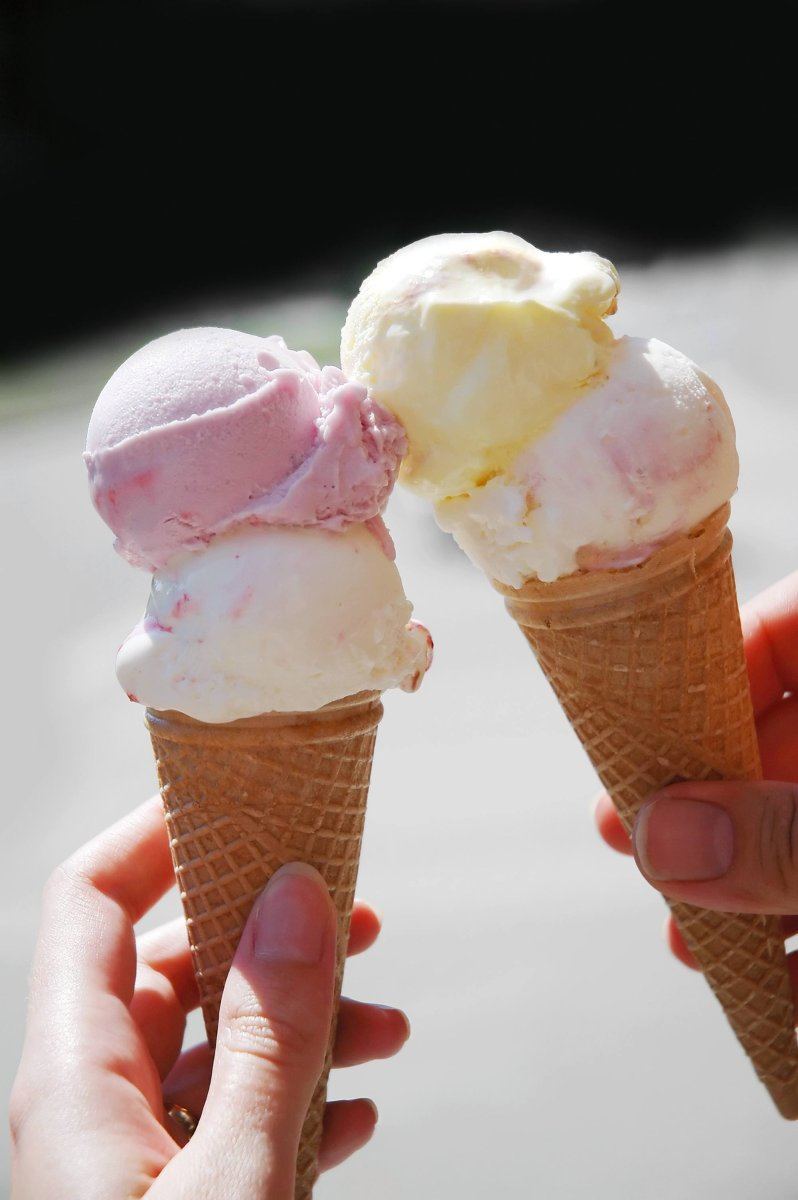
4. The Ice Cream Cone
One of the best things to thank world fairs for is the popularization of the ice cream cone. Ice cream and edible pastry holders had been around for a while, but the concept didn’t really take off until the St. Louis World’s Fair in 1904. Abe Doumar and his family designed a four-iron baking machine that could produce portable waffles that could be rolled up to hold a scoop of ice cream. It was one of the hit sensations of the exposition, and the rest is delicious history.
5. The Ferris Wheel
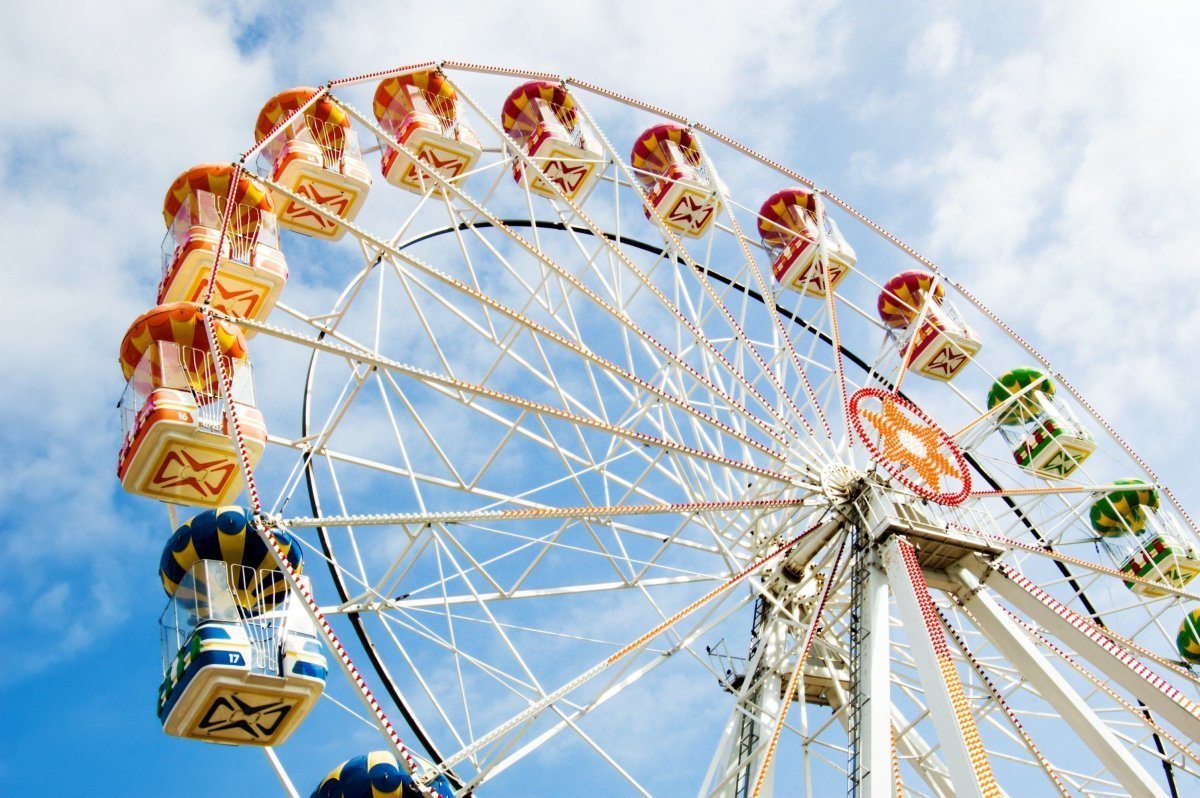
The Ferris Wheel, designed by George Washington Gale Ferris, Jr., made its debut at the 1893 World’s Columbian Exposition in Chicago. By all accounts, the Chicago expo was a financial bust, but the landmark ride saved the fair from utter bankruptcy. Everybody wanted a spin on this whimsical novelty. Nowadays, there isn’t a fair ground, carnival midway, amusement park or big city that doesn’t boast a big observation wheel of sorts. They keep trying to outdo each other with bigger and better wheels. Currently the 550-foot High Roller at the LINQ in Las Vegas holds the world’s record as the tallest Ferris wheel.
6. The X-Ray Machine
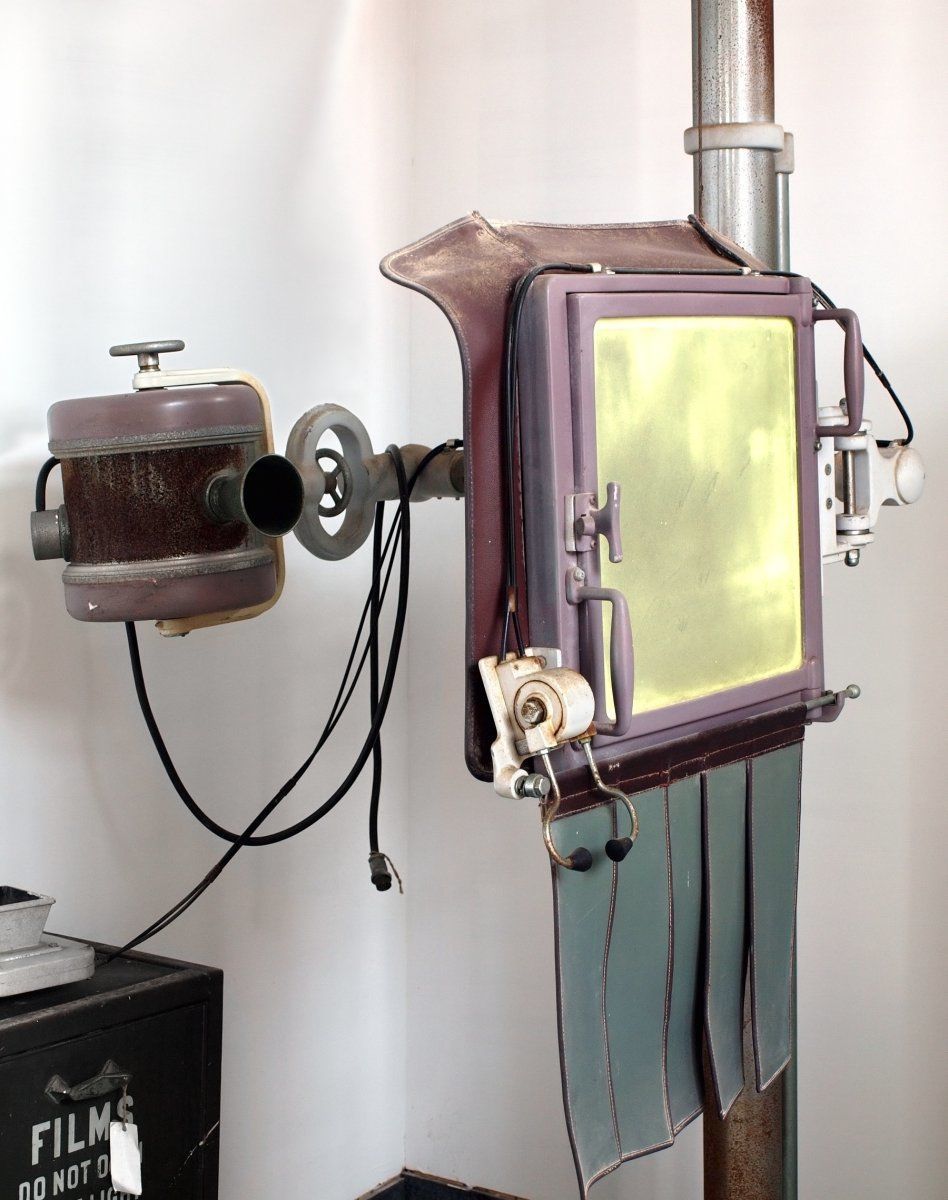
The 1901 Pan-American Exposition in Buffalo, New York, featured a dazzling machine that allowed doctors to peek inside patients. The ability to take photographic images of objects’ interiors had been around for a while, but were not yet in widespread use. Ironically, President William McKinley was shot by an assassin at the fair, but this X-ray machine that could have saved him was not used. Doctor’s were unsure about unforeseen side effects, and the president ultimately succumbed to his wounds. Public demand for X-ray machines boomed after this missed opportunity.
7. Dr Pepper
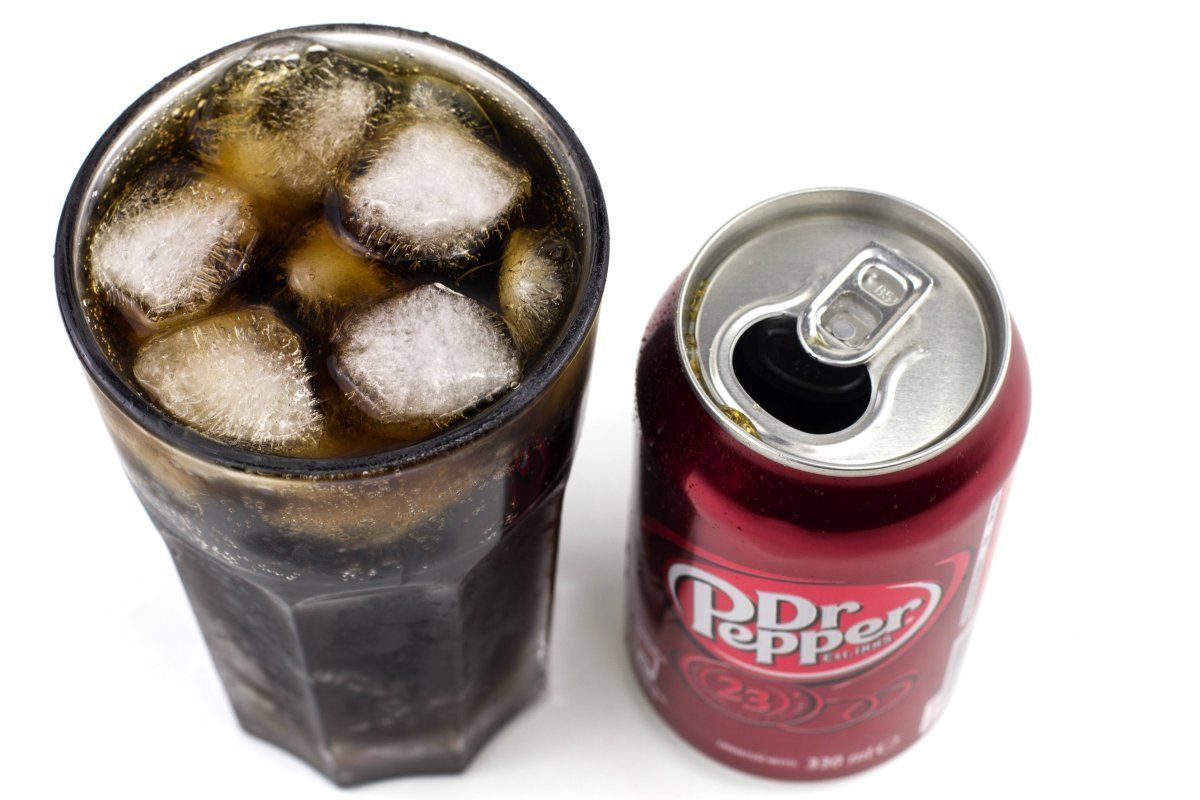
Pharmacist Charles Alderton developed a new carbonated beverage in Morrison’s Old Corner Drug Store in Waco, Texas back in 1885, one year before Coca-Cola made its debut. However, this new soda pop made with 23 flavors was introduced nationally in the United States at the Louisiana Purchase Exposition in 1904. It never hit the stratospheric popularity of Coke or Pepsi, but those that love Dr Pepper tend to be fanatical about it.
8. The Seattle Space Needle
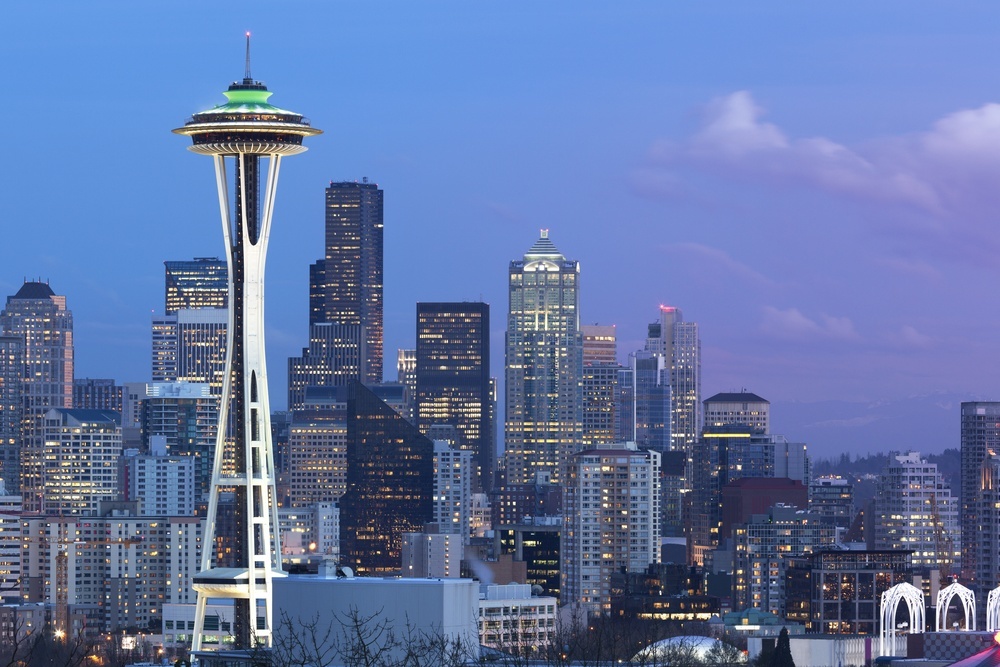
The successful 1962 Seattle World’s Fair drew over 10 million visitors and helped put the Pacific Northwest on the map. It is credited with revitalizing Seattle’s economic and cultural life. The fair left behind a futuristic monorail and the Space Needle, a landmark observation tower that has become the icon of the city.
9. The Picture Postcard
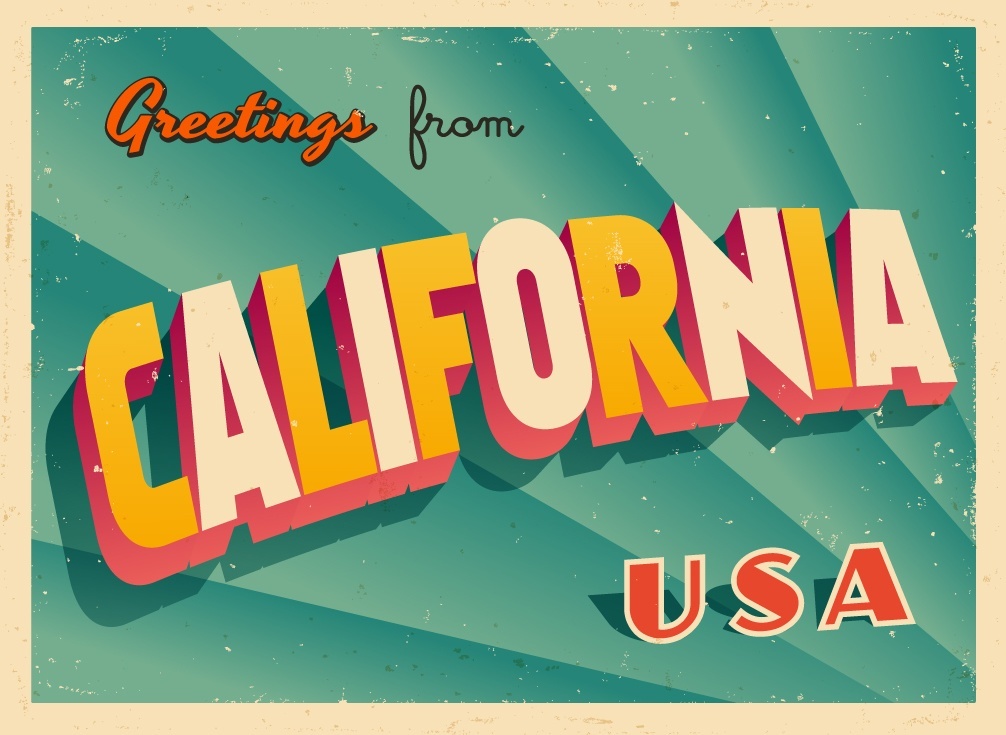
Blank cards for mailing short notes without an envelope have been around since the early days of the postal service. Then cards showing images began to appear in the 1880s, including some advertising the Eiffel Tower. They didn’t really take off as a souvenir concept with scenic pictures on one side until the 1893 World’s Columbian Exposition in Chicago. They’ve been a tourist staple ever since, (well, until social media usurped them).
10. Hotdog and Hamburger Buns
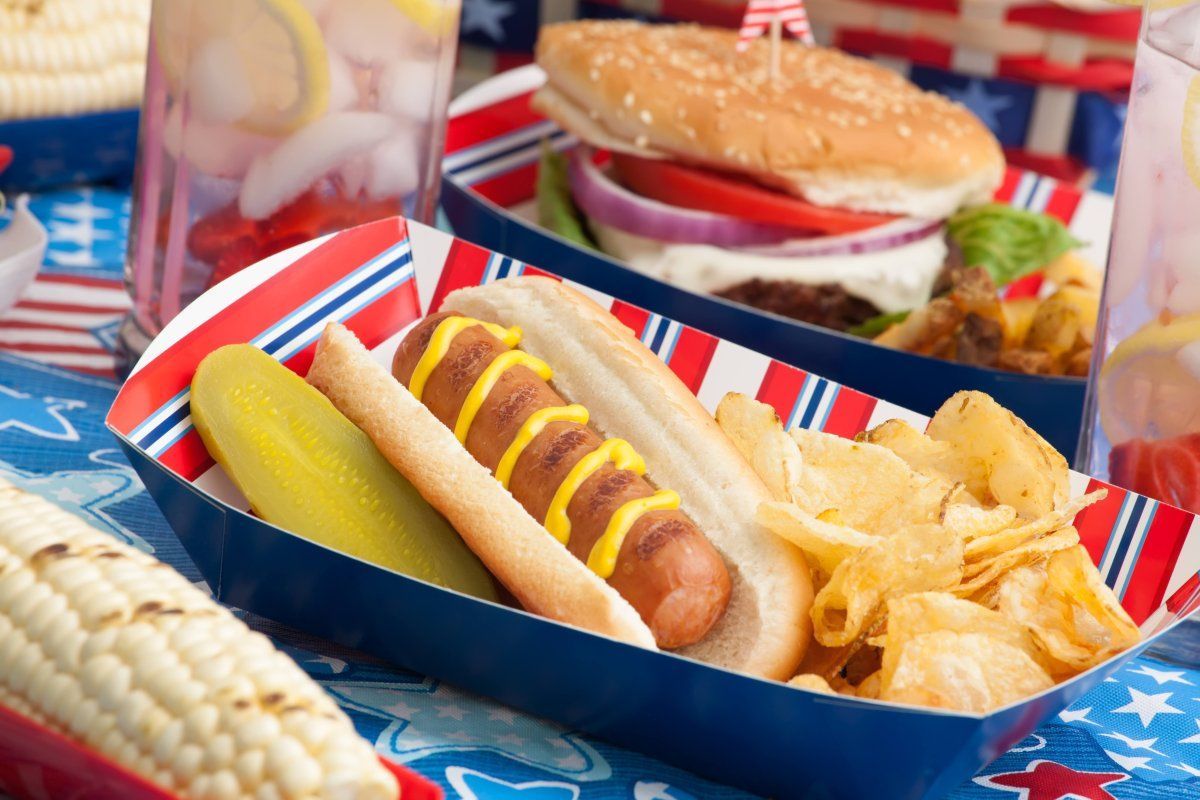
Here are two more edible things to thank world fairs for. While meat patties and sausages have been consumed around the world for centuries, making them portable and sandwich-style between slices of bread didn’t become widely popular until a concession stand at the 1904 St. Louis World’s Fair started selling them. People could then walk around the grounds with a tasty meal in their hands. There are other claims to the hamburger and hotdog origins, but this is generally agreed as where the idea took hold and spread throughout the country.
11. IMAX Theaters
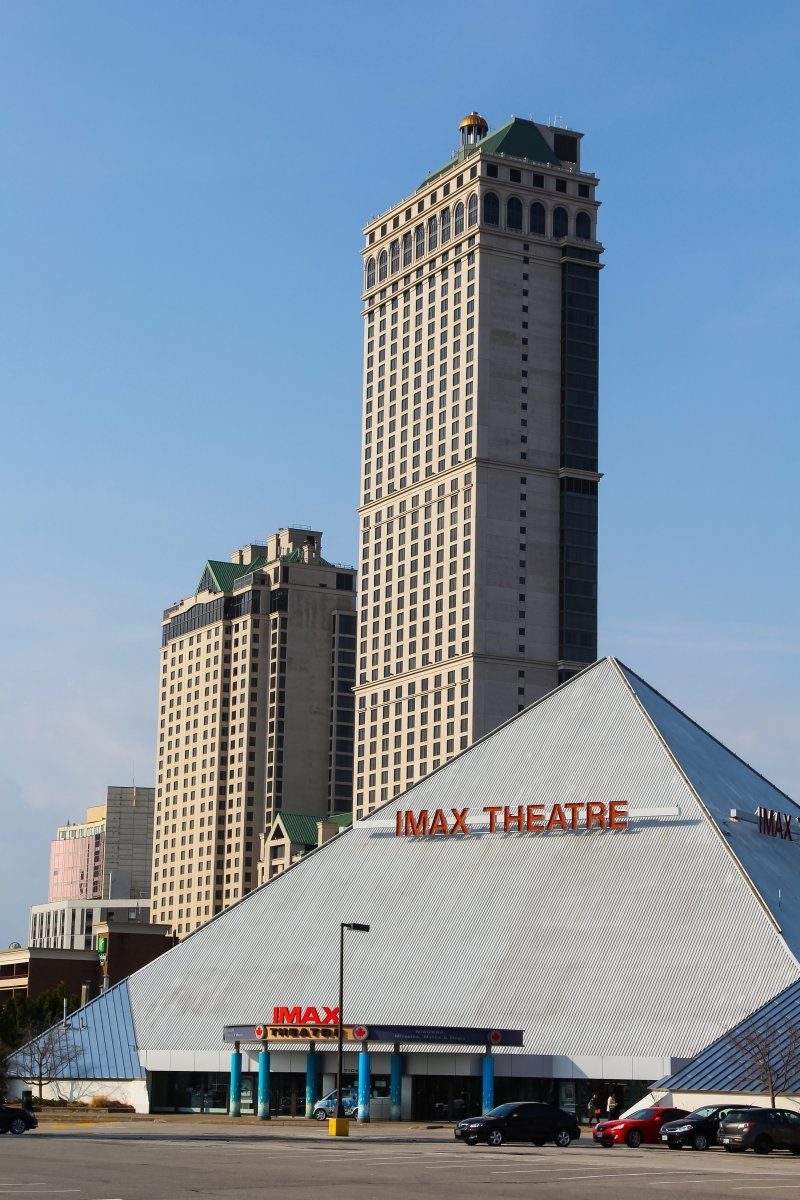
A group of Canadian experimental filmmakers debuted a large-screen film at EXPO ‘67 in Montreal. They synched 9 projectors together and wowed the audience with its larger than life productions. Over the years, they improved things considerably, eventually developing an epic camera, advanced projector and dome screen that has become the immersive IMAX experience. Today there are 837 IMAX theaters in 57 countries around the world showing documentaries and re-mastered blockbuster films.
12. Cracker Jack
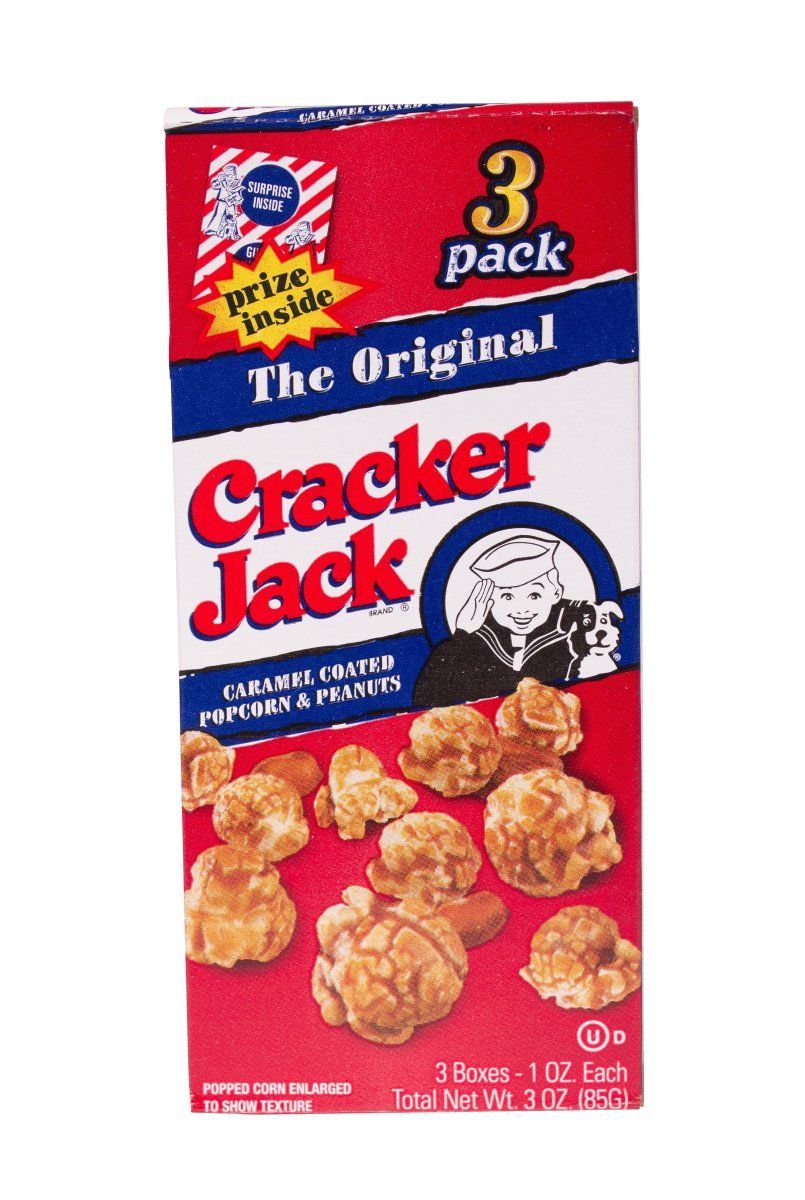
One of the world’s first packaged junk foods, this all-American candy-coated popcorn and peanuts snack is a staple at ball games. It’s presence in the lyrics of Take Me Out to the Ball Game might have something to do with this. The small toy or novelty prize inside was an added incentive that helped fuel its popularity. Legend has it Cracker Jack was presented to the public in 1893 at the World’s Columbian Exposition in Chicago, although there is some dispute to this. F.W. Rueckheim and his brother, Louis, are credited for developing this tasty treat.
13. It’s a Small World
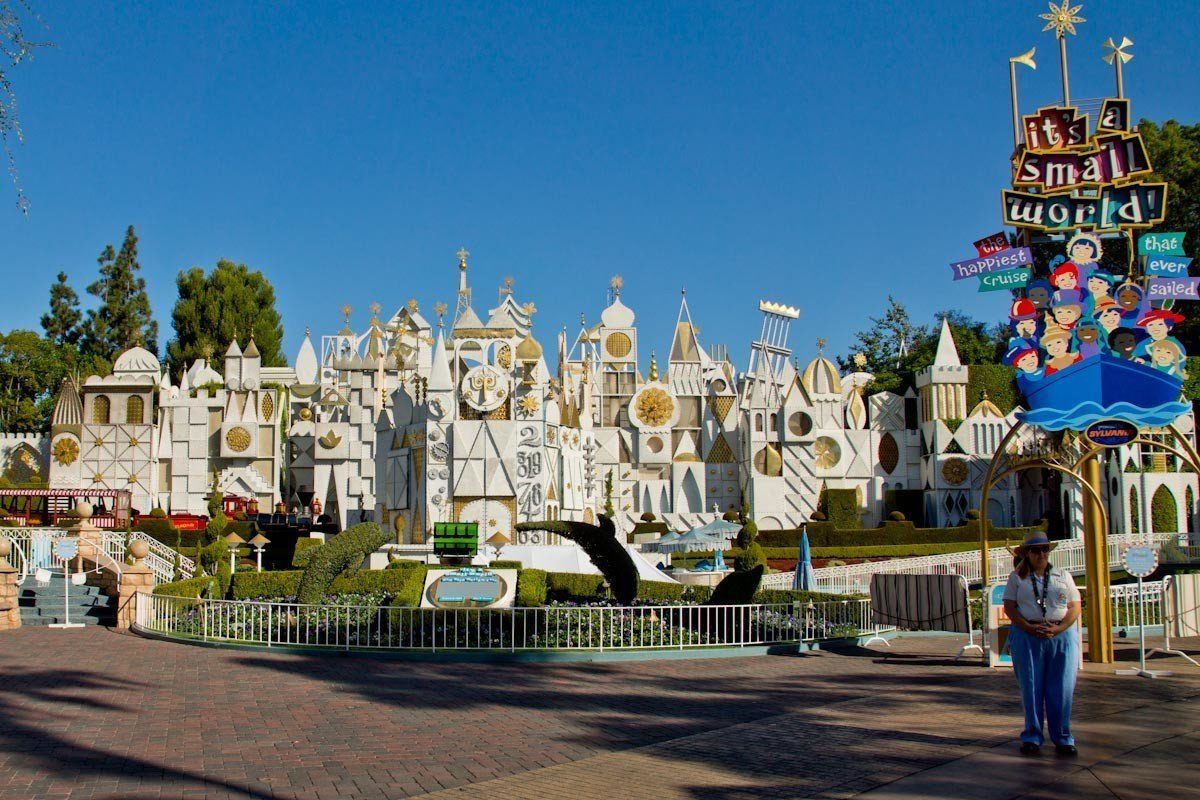
Love it or loathe it, the famous audio-animatronic Disney ride promoting global harmony had its debut at the 1964 New York World’s Fair. It was part of the UNICEF Pavilion, sponsored by Pepsi, to celebrate the children of the world (although after ten rounds of that insipid song, world peace might be the farthest thing from your mind). The boat ride was re-built at Disneyland after the fair closed in 1966.