The smell hits you before you see it. A low, sulphurous drift off a beach that was clear last week. Sargassum is back in the Caribbean headlines, and if you’re planning a trip in 2026, here’s what you actually need to know.
What is sargassum?
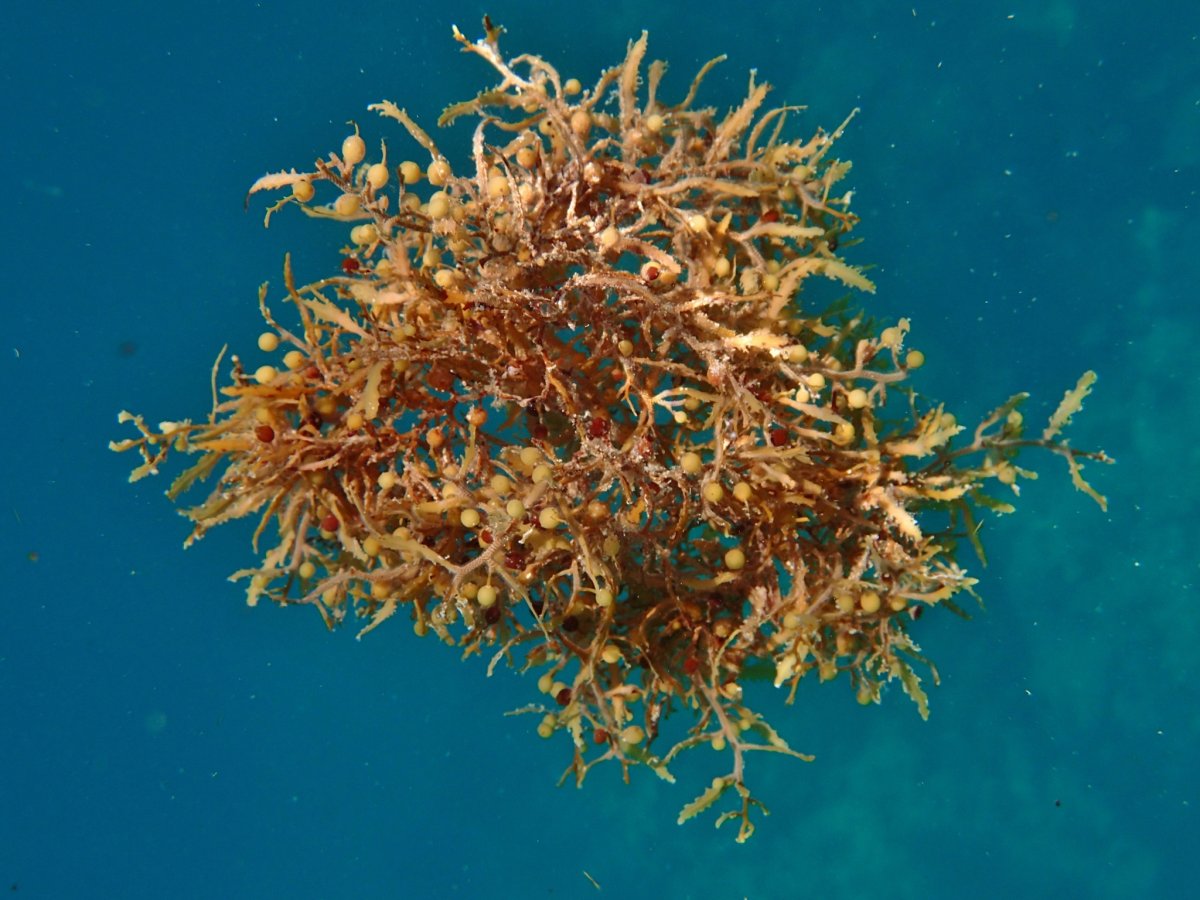
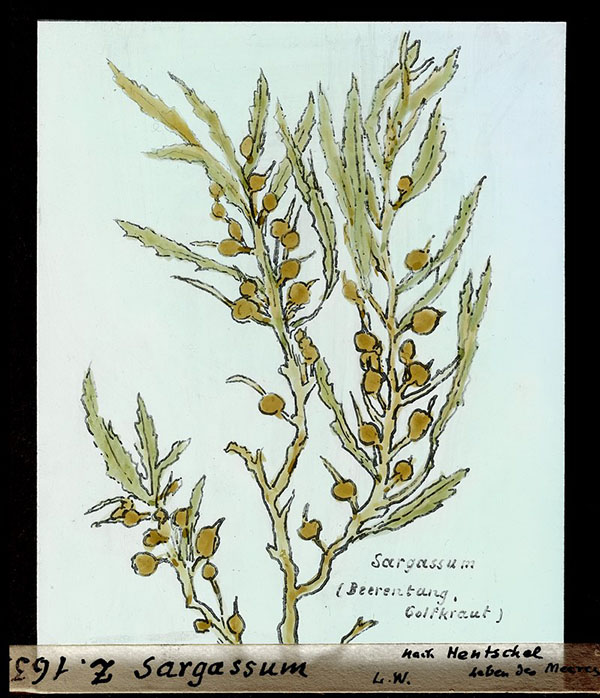
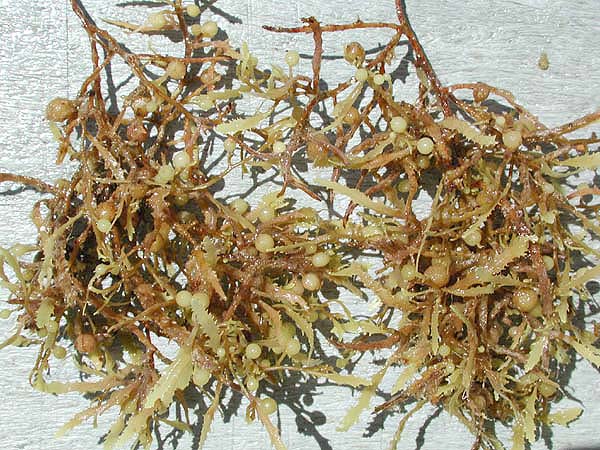
Sargassum is a brown, leafy seaweed that floats on the surface of the Atlantic. Unlike most seaweeds, it doesn’t anchor to the ocean floor. It drifts freely in vast surface mats, reproducing as it goes. It has existed in the Atlantic for millions of years, concentrated mostly in the Sargasso Sea, a gyre of calm water in the North Atlantic roughly surrounding Bermuda. That sea is a remarkable ecosystem: the only one in the world defined not by land borders but by ocean currents, and home to juvenile sea turtles, eels, flying fish and hundreds of other species that depend on sargassum for habitat and food.
Where does sargassum come from?
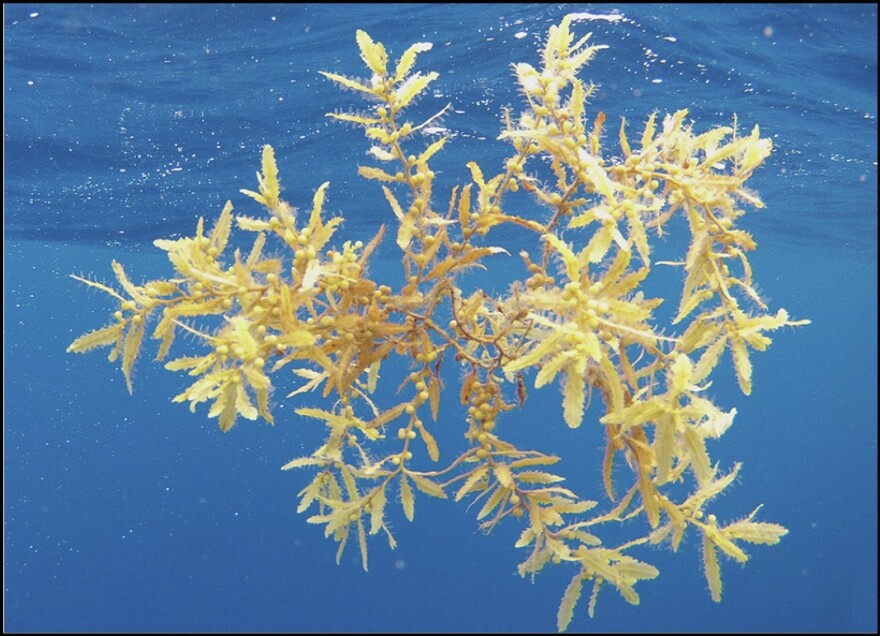
The sargassum hitting Caribbean beaches doesn’t primarily come from the Sargasso Sea. Scientists have identified a much larger separate population in the equatorial Atlantic, the Great Atlantic Sargassum Belt, a mass that can stretch from the Gulf of Mexico to West Africa and in peak years represents tens of millions of tonnes of seaweed. Ocean currents push portions of this belt towards the Caribbean, the Gulf Coast of Florida and Texas, and Mexico’s Yucatan Peninsula. How much arrives, and when, depends on ocean temperatures, wind patterns and current strength in any given year.
Why has it gotten worse?
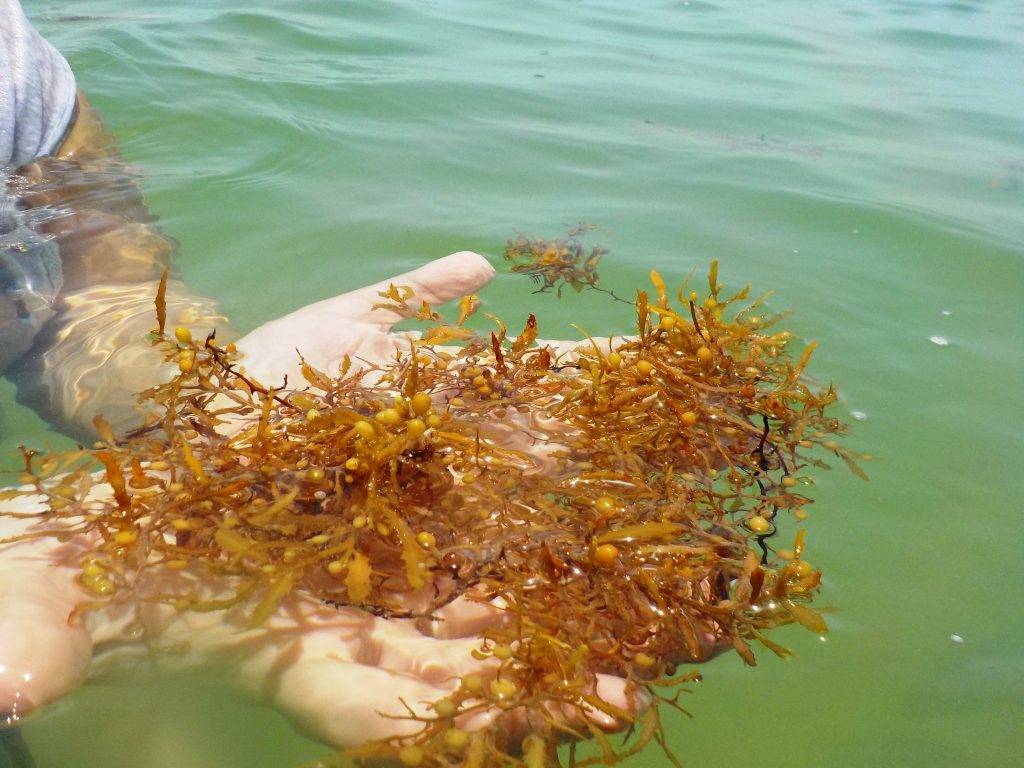
Sargassum arrivals got dramatically worse around 2011, when the first massive accumulations hit Caribbean beaches. Several factors are behind this. Warmer ocean temperatures from climate change create better growing conditions for sargassum in the Atlantic. Increased nutrient levels in the ocean, partly from river runoff carrying agricultural fertilisers, also feed its growth. The Amazon River, which dumps vast quantities of sediment and nutrients into the Atlantic, is thought to be a major contributor. What used to be a manageable seasonal nuisance has become, in bad years, a serious logistical problem for coastal communities.
Where does sargassum hit hardest?
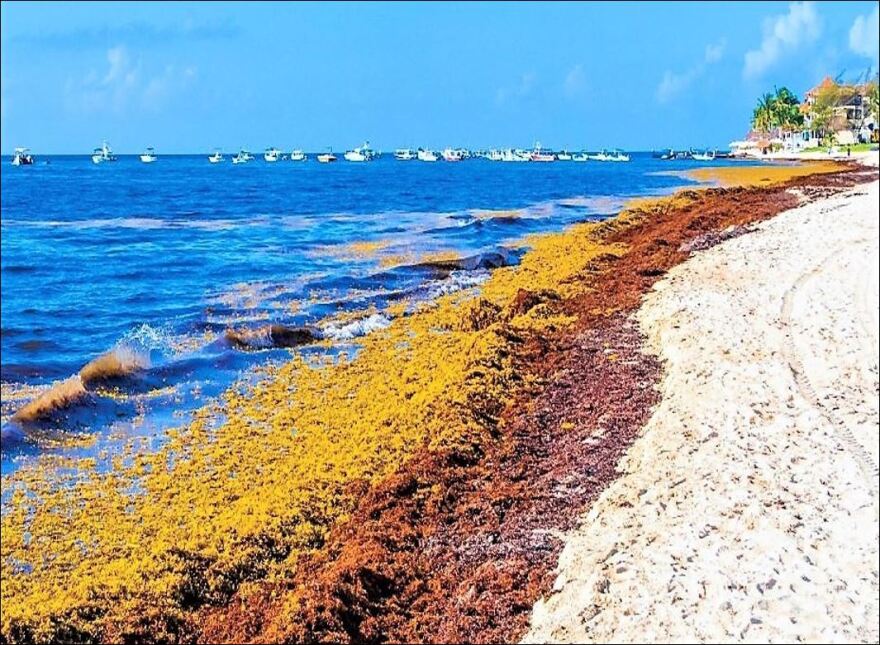
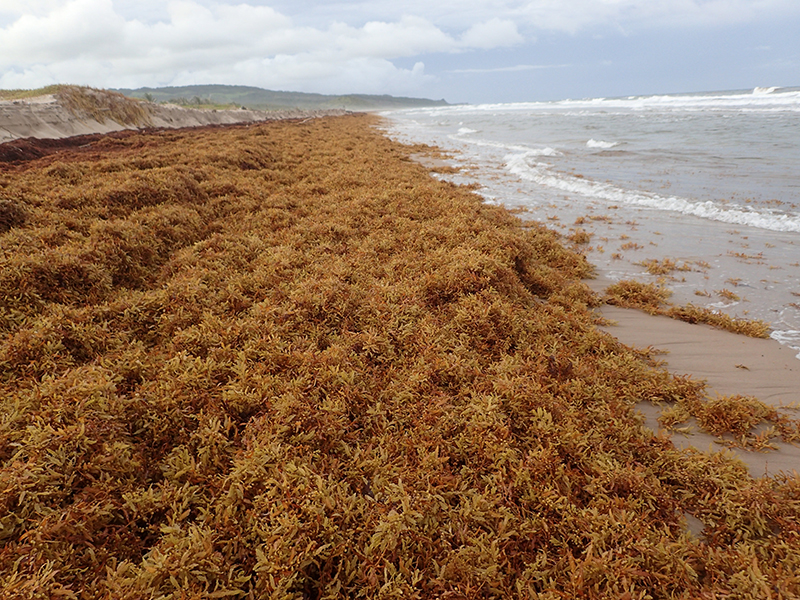
Beach direction matters more than most travellers realise. Beaches facing east or southeast, directly into the Atlantic, receive far more sargassum than those facing north or west. Mexico’s Riviera Maya coast, including Cancun, Playa del Carmen and Tulum, has been among the worst affected in recent years, due partly to how the beaches face and the current patterns along the Yucatan Peninsula. Parts of the Dominican Republic’s east and southeast coasts, Barbados’s Atlantic-facing east coast, and beaches across the Lesser Antilles have all seen heavy arrivals in peak years. The Florida Keys and parts of South Florida have also had notable accumulations.
Which destinations tend to stay clear?
Geography protects some popular destinations from the worst of it. Aruba, Bonaire and Curacao, the ABC islands off the Venezuelan coast, sit far enough south and west that they rarely see much sargassum. Turks and Caicos’s Grace Bay Beach faces north and benefits from currents that tend to deflect it; historically it has one of the cleanest track records in the Caribbean. The west coast of Barbados, the Platinum Coast, is largely protected by the island itself, which catches the sargassum on its windward Atlantic side before it reaches the sheltered Caribbean-facing beaches. St Lucia’s west coast leeward beaches are similarly shielded. Parts of Jamaica’s north coast, Puerto Rico’s west coast and the Cayman Islands also tend to see less than more exposed shores.
How to check the situation before you travel
For satellite imagery updated weekly, the University of South Florida’s Sargassum Monitoring site is the most useful free resource available. It shows current concentrations across the Atlantic and Caribbean with reasonable accuracy. For ground truth, check the recent Instagram posts and TripAdvisor reviews of hotels at your specific destination. Hotels have every incentive to be honest, because guests who arrive to an unexpected carpet of seaweed are unhappy guests, and many post regular beach condition updates. Bear in mind that sargassum can clear and return within days. Conditions during peak season change week to week.
When is sargassum season?
May to October is when it gets bad. The winter months, November through April, are the most reliably clear period, particularly January through March. That said, a bad year can bring arrivals outside this window, and a mild year can stay clear well into summer. If sargassum is a real concern, a winter trip gives you the best odds of clear beaches.
What to do if you encounter sargassum
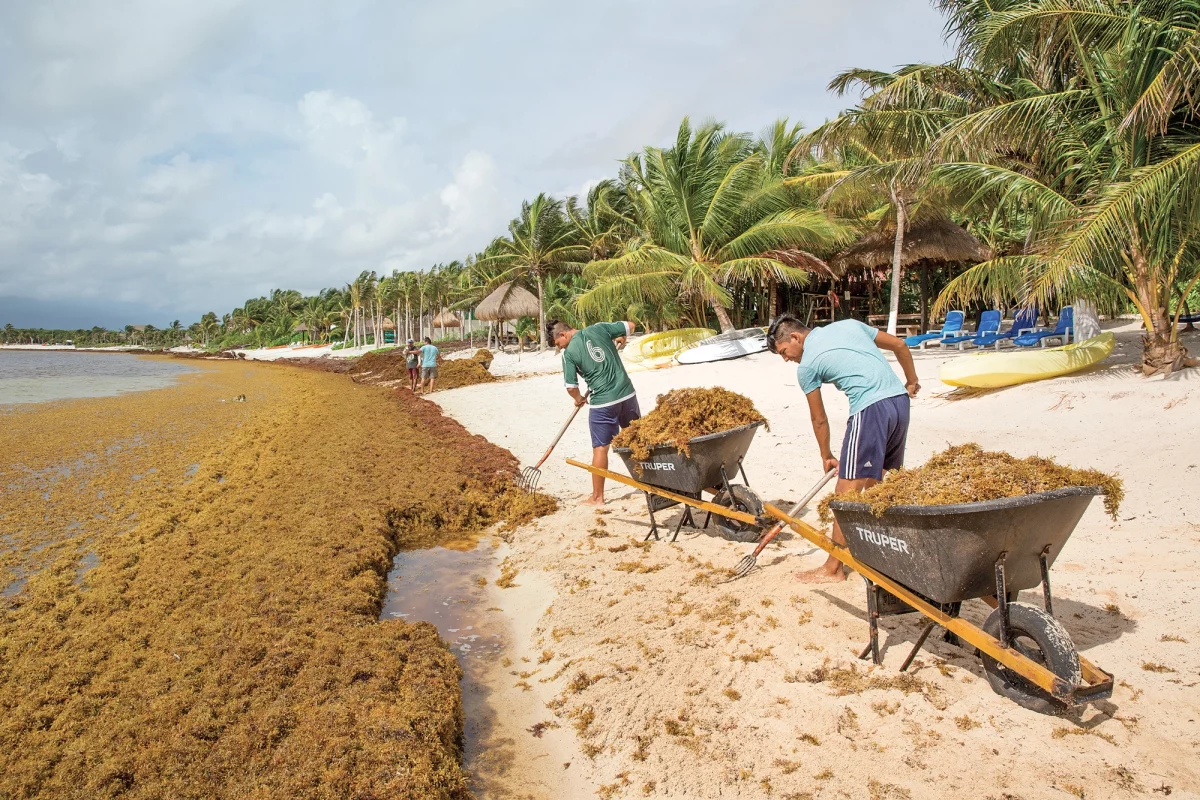
Fresh sargassum in the water poses no health risk. You can swim through it without harm. Leave it sitting on a hot beach for a day and the smell gets considerably worse, a sulphurous decomposition that can irritate the airways of sensitive people. Most resorts in affected areas now run overnight beach-cleaning operations during peak season; many beaches are raked and presentable by morning even after a heavy arrival. A beach with heavy sargassum looks and smells different. But it rarely ruins a trip outright. The snorkelling and diving offshore is usually entirely unaffected.
Don’t let sargassum cancel your plans
Sargassum is patchy and unpredictable. The same week one beach is buried in it, another beach twenty minutes away may be pristine. Destinations that had bad years have bounced back the following season. Pick a destination with a good historical track record on a leeward coast, check recent conditions before you travel, and your chances of a trip wrecked by seaweed are lower than the headlines suggest. The Caribbean’s water, food and hospitality don’t change with the sargassum season.