When a tourist books a trip to Thailand, riding an elephant is usually on their to-do list. Upon their arrival, it’s hard not to notice the numerous fliers and signs advertising these “once in a lifetime” rides, but there are more than a few reasons why we should all rethink going on an elephant ride.
If you’re an animal lover, you’ll be scratching “ride an elephant in Thailand” off your bucket list as soon as you read these reasons against this kind of excursion.
1. It Can Be Dangerous
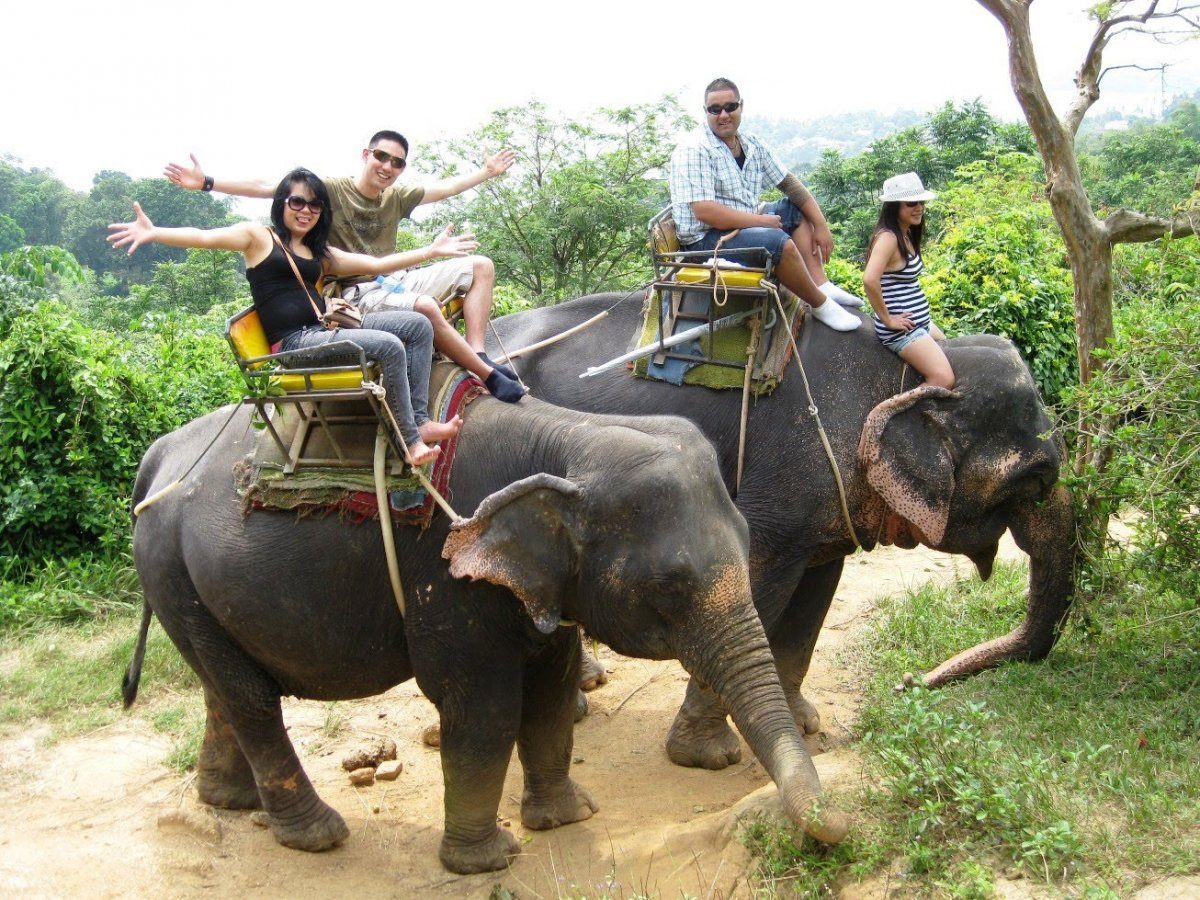
Riding on the back of any wild animal has its risks, especially when it comes to elephants. What can start out as a dream vacation can turn into tragedy when you’re dealing with an animal who is tired, hasn’t been fed properly, and is being treated inhumanely. Many tourists have been tossed from elephants’ backs during these rides. Some survive with minor cuts and bruises, while others are mauled and trampled to death.
In February 2016, a 36-year-old Scottish tourist was shaken off an elephant’s back and then gored to death by the animal’s tusks, while his teenage daughter watched in horror.
2. Deadly Elephants Are Still Working
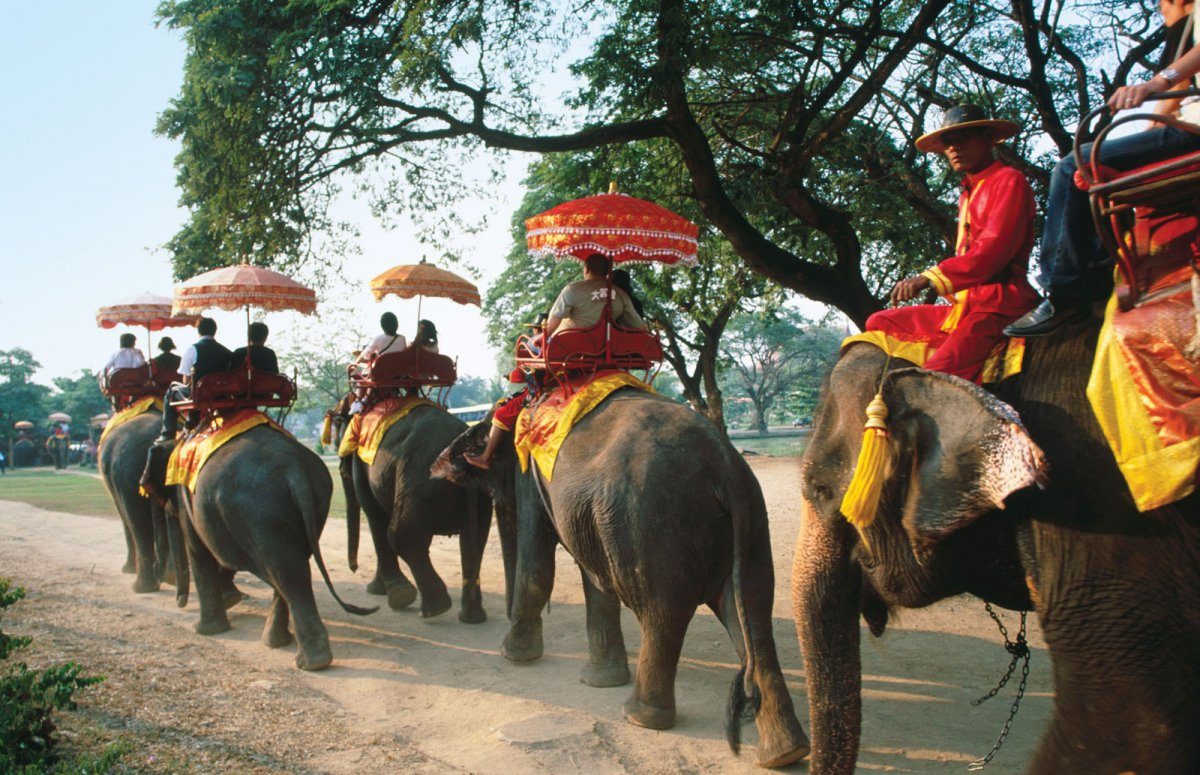
Even after a violent incident occurs, deadly elephants are unlikely to be removed from service. Many elephants are given a break for a few days to a few weeks before they are put back to work to make money for their owners. Thailand doesn’t have strict regulations when it comes to offending elephants being allowed to come in contact with tourists, so riding one without knowing the animal’s background and history can definitely put your life in danger.
3. They’re Forced to Work
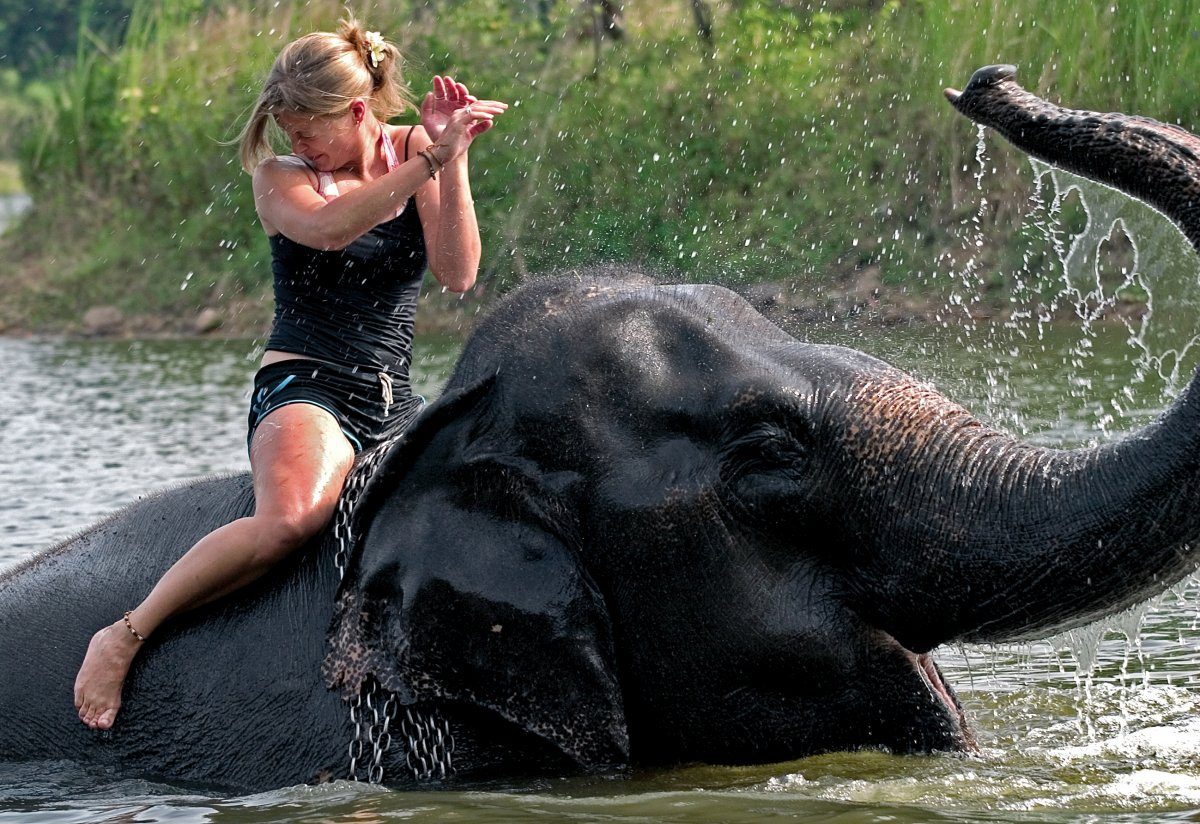
All workers get days off and time away if they’re sick, but not elephants. Many incidents that led to deadly attacks involved male elephants who were forced to work long hours. Mahouts, the trainers who ride the elephants, have a lot of pressure to get substantial work out of them. These elephants can cost as much as $50,000, and their owners want to recoup the cost by pushing the elephant to work as much as possible.
4. The Use of Bullhooks
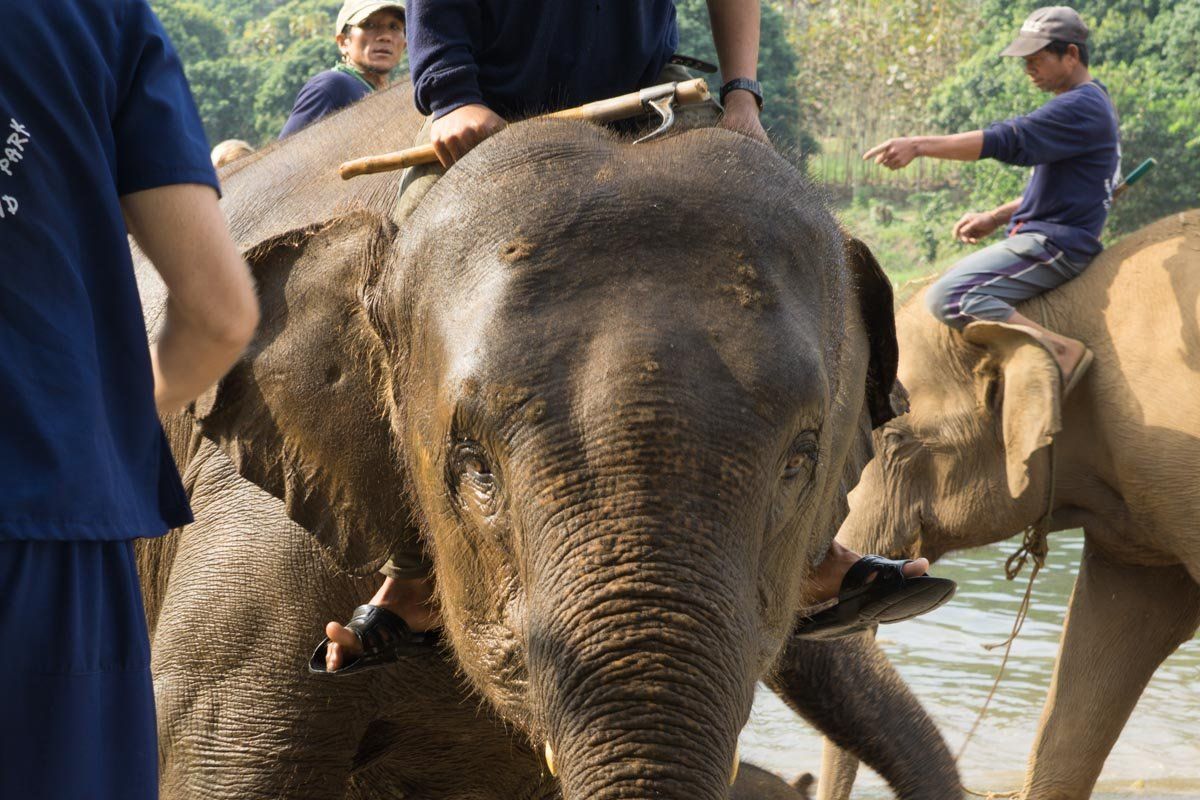
Many mahouts use bullhooks – a sharp device that allows them to show dominance over the elephant. The bullhook keeps the elephant under control and fearful of the mahout at all times. The mahout uses the bullhook on sensitive areas including: around the eyes, behind the ears, on the top of the head, and on the trunk. It causes physical harm to the elephant and can also be used as a form of emotional and psychological torture.
5. Many Have Been Illegally Captured
Most elephants that are used for rides have been illegally captured and trafficked from Myanmar – a Southeast Asian nation. Every year, 150-200 baby elephants are smuggled over the Myanmar border into captivity in Phuket and other tourist cities. When new calves are captured, up to four adult elephants are killed.
6. They’re Abused
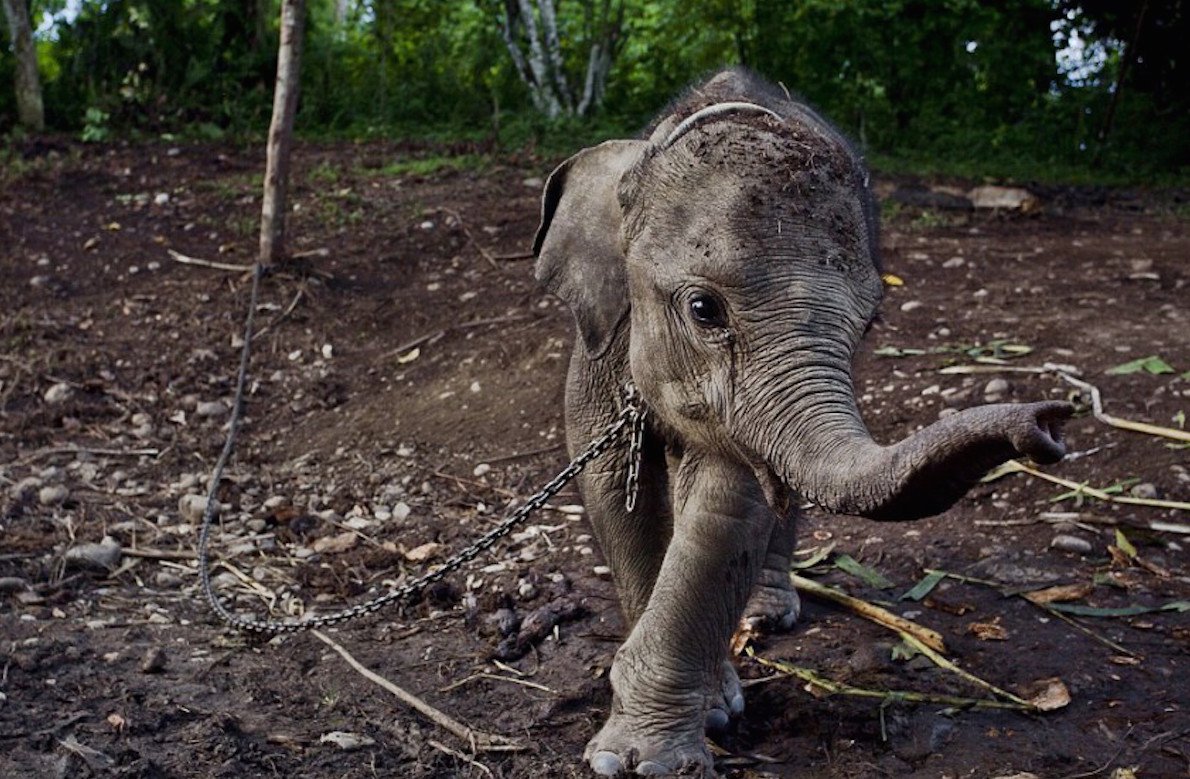
Mahouts use a ritual called Phajaan to “crush” an elephant’s spirit during training. The process calls for the animal to be mentally and physically broken using starvation tactics and abuse, to prepare them for a life of being controlled by the mahouts. Baby elephants are chained up for days or weeks at a time, and many succumb to the brutal conditions.
Phajaan is said to be so brutal, that many elephants take their own lives by stepping on their trunks and suffocating themselves.
7. The Trainers Are Inexperienced
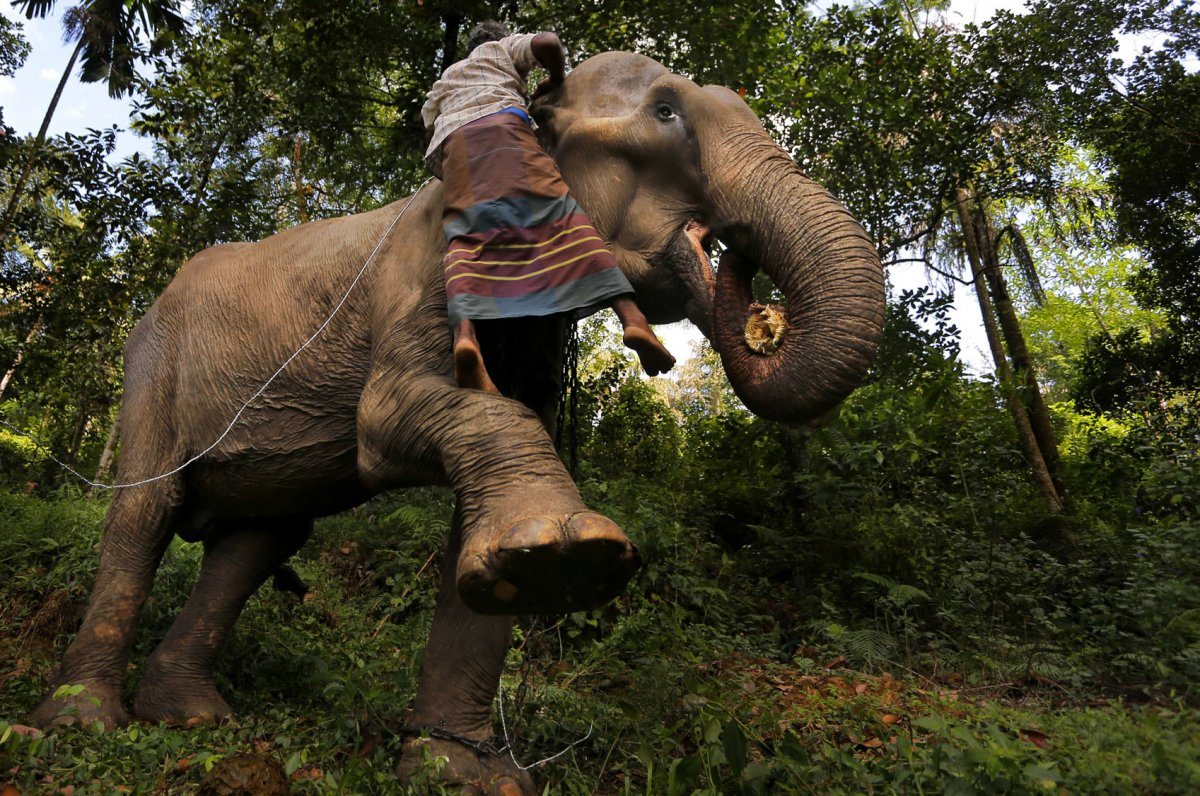
Many mahouts are teenage boys and young adults who are just trying to make enough money to take care of their families. But they lack experience and knowledge to properly take care of and train the animals. When it comes to going on an elephant ride, you’ll likely be riding with a mahout who doesn’t have hours of training underneath his belt.
8. Riding Them Causes Damage to Their Delicate Spines
Elephants are huge animals, but their spines are very delicate. Supporting the weight of multiple humans on their backs for more than eight hours a day for many years takes a toll on them. Many older elephants suffer from nerve damage, spinal injuries, inflammation, and open sores on their backs.
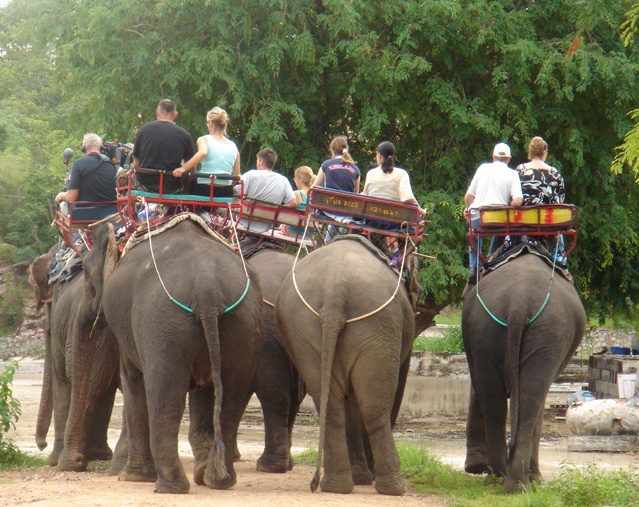
9. Thailand Doesn’t Care About Their Welfare
Since there aren’t any regulations in place to protect the welfare of elephants, trainers can get away with anything. After working long hours, captive elephants are chained up so tightly that they’re unable to walk, and if they get sick, trainers aren’t required to seek veterinary care.
10. They’re Endangered
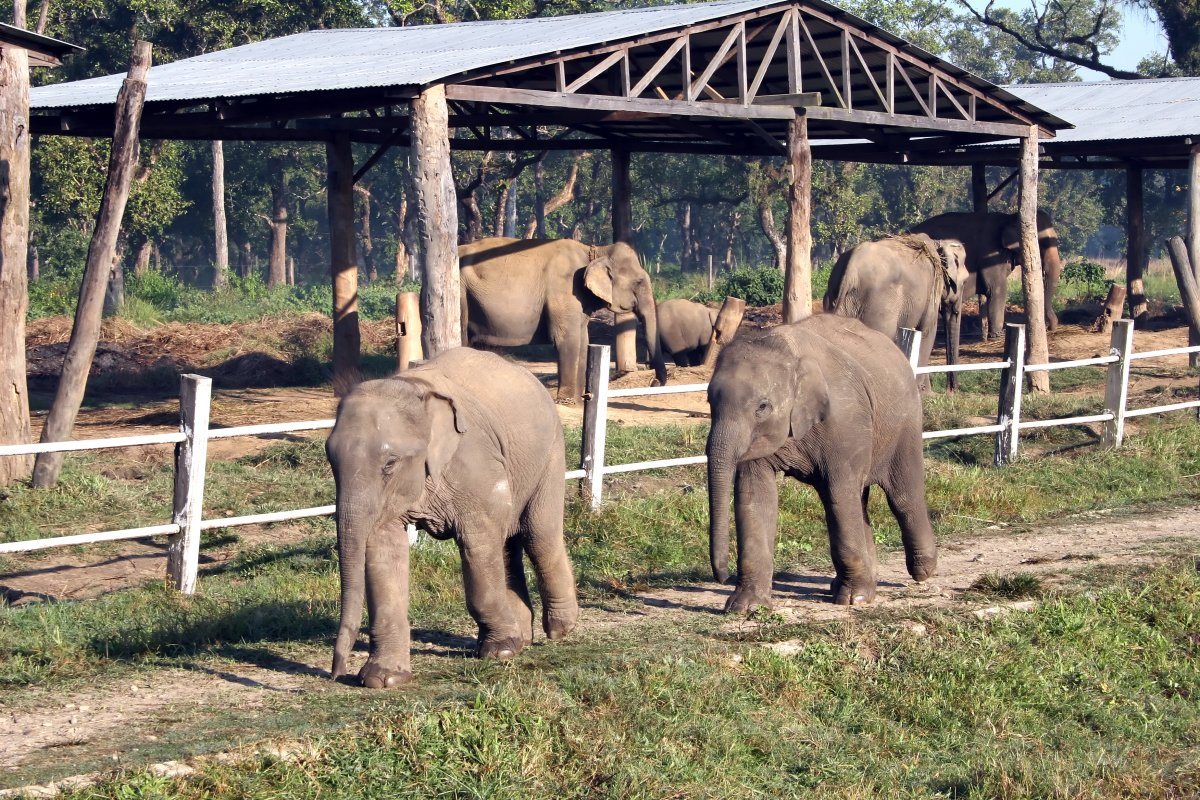
Asian elephants are an endangered species, and their population has declined over 50% in the last 75 years. This rate will continue to increase as more elephants are captured, tortured, and killed.
At this time, there are as few as 40,000 Asian Elephants left in the world. Many people would like to see captive elephants included under the Wildlife Animal Conservation and Protection Act, which would require registration and tracking of captive elephants, as well as penalties for those who treat them inhumanely. But until then, captive elephants are unprotected, and their lives remain in the hands of a greedy tourism industry.