Myanmar is a nation in turmoil folks. Their first democratically elected leader isn’t quite getting the job done, and the remnants of a civil war are still rattling around the country. In the midst of the chaos, the education of Burmese children has been left in the dirt. For a country that’s struggling to establish a government that’s run by the people, the only way to get their feet underneath them is to prepare the next generation for the future. That begins and ends with an education worthy of Burma’s future leaders. If you’ve got some extra cash in your bank account and you’re not sure how to spend it, here are some compelling reasons to donate that money to building a school in war torn Burma.
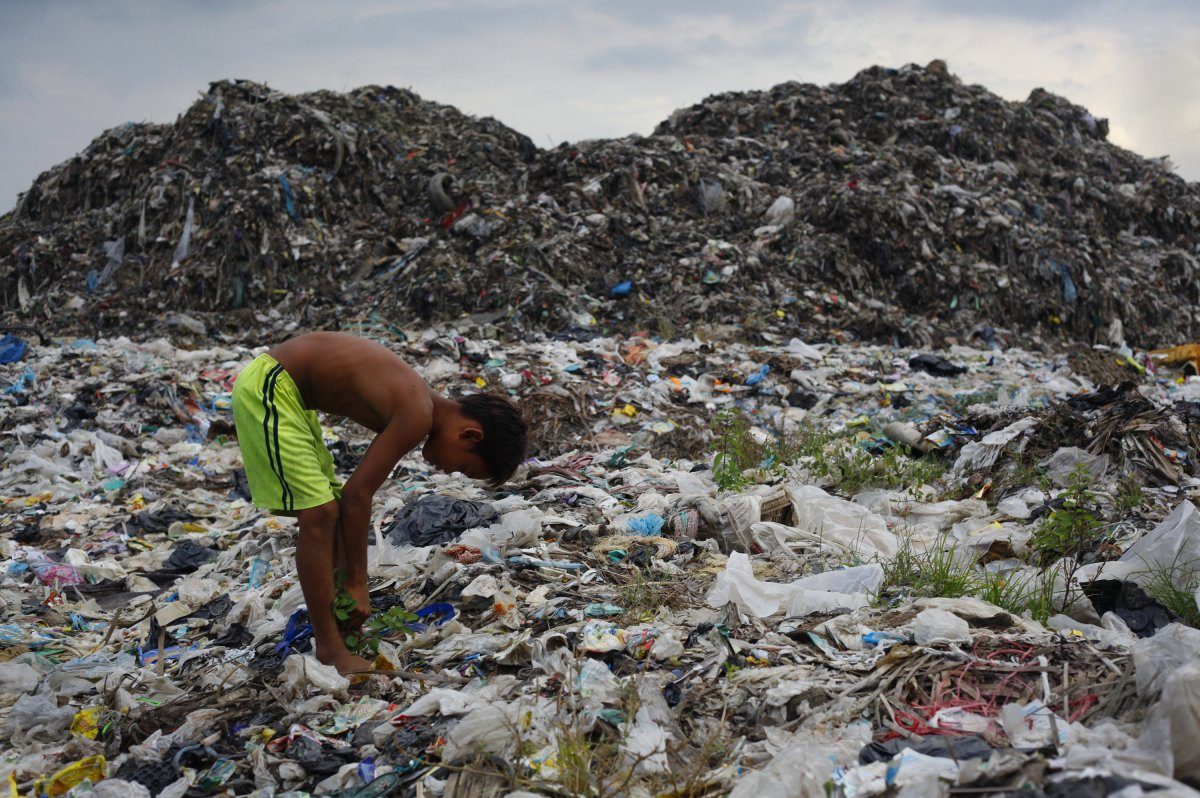
1. Burma Is Way Too Poor to Afford It
According to the plainly named buildaschoolinburma.org, the average yearly income of a Burmese citizen is about $1,150 US. Out of 187 nations catalogued on the UN’s Human Development Index, Myanmar ranks 150th, easily making it the poorest nation in southeast Asia.
2. Their President Isn’t Going to Do Anything About It
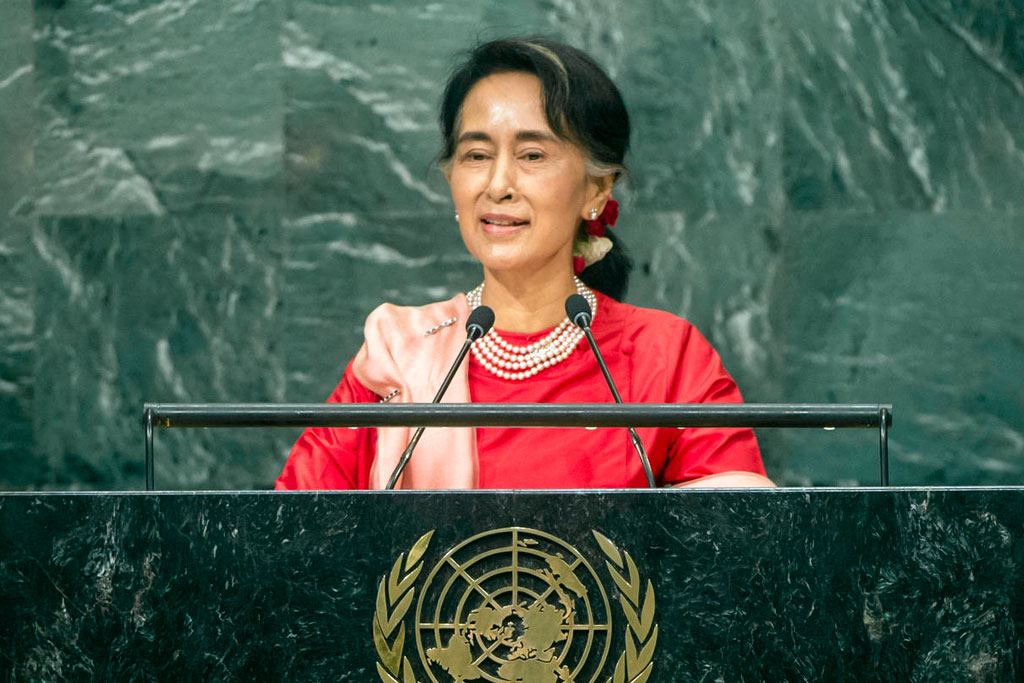
Burmese State Counsellor, Aung San Suu Kyi (aka, the Lady in Charge), may be a fancy pants Nobel Laureate, but reports coming out of the country indicate that she’s doing very little to enlighten her people on her own. There’s the ongoing prejudice in Rakhine that’s seen almost 70,000 Muslims flee into neighboring Bangladesh, while 120,000 still languish in internment camps. Then there’s the crackdown on journalistic freedom running through the country. The long and the short of it is that the “democratic” leader of Myanmar isn’t doing a thing to ensure that the nation’s children get a solid educational foundation.
3. The Schools Might Be the Nicest Buildings in the Villages
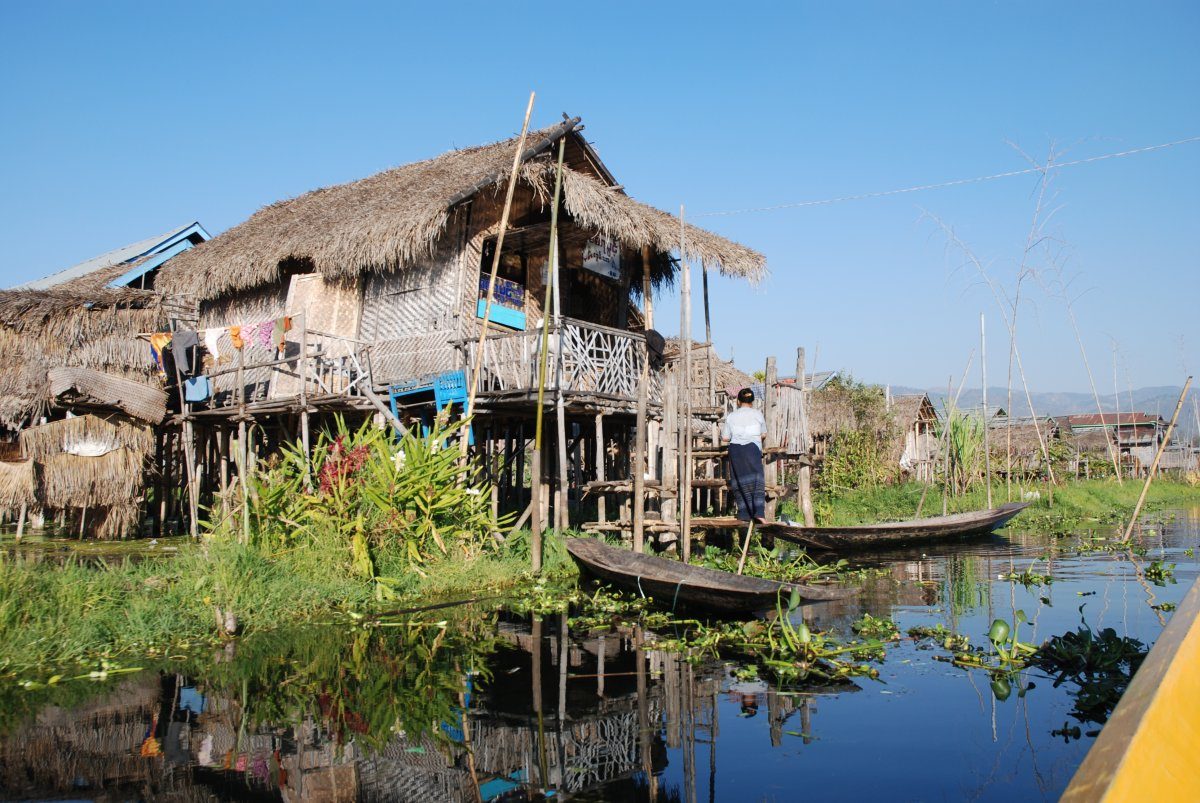
Thanks to the conflict that’s ravaged Burma in the past several years, eighty percent of the country’s homes are without electricity. Rural villages don’t even have running water, let alone a school house or access to the internet. A new school with only one or two of these amenities, may be enough to help get an entire generation of children excited about their educational opportunities.
4. The Average Adult Has Only Four Years of Formal Education
In 1948, Burma boasted one of the highest literacy rates in Asia. Now, the nation only requires that its citizens get five years of formal education. Most don’t make that mark, or drop out shortly after. According to UNESCO, only 50 percent of the nation’s children are enrolled in secondary school.
5. Primary School Costs Too Much in Burma
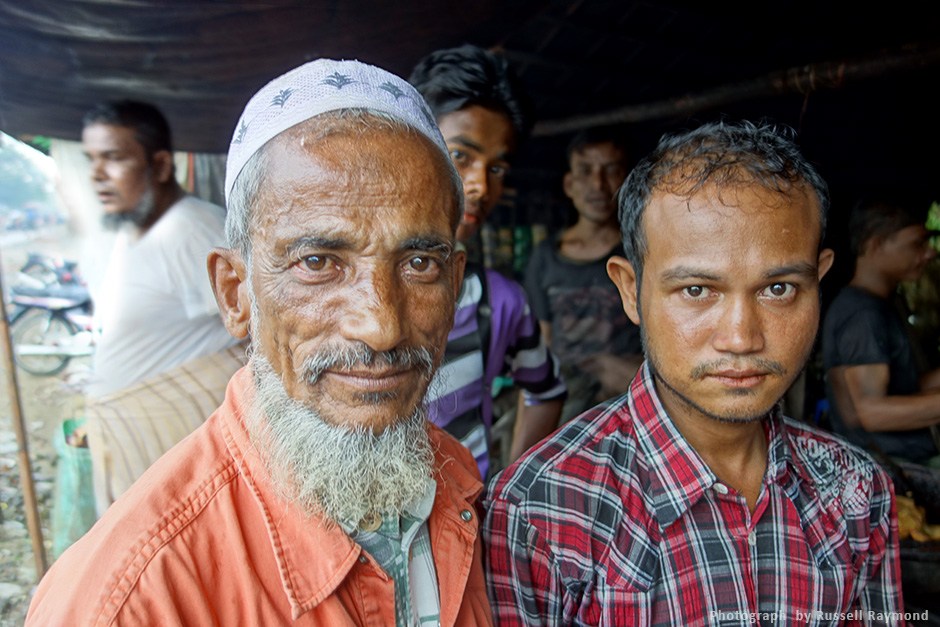
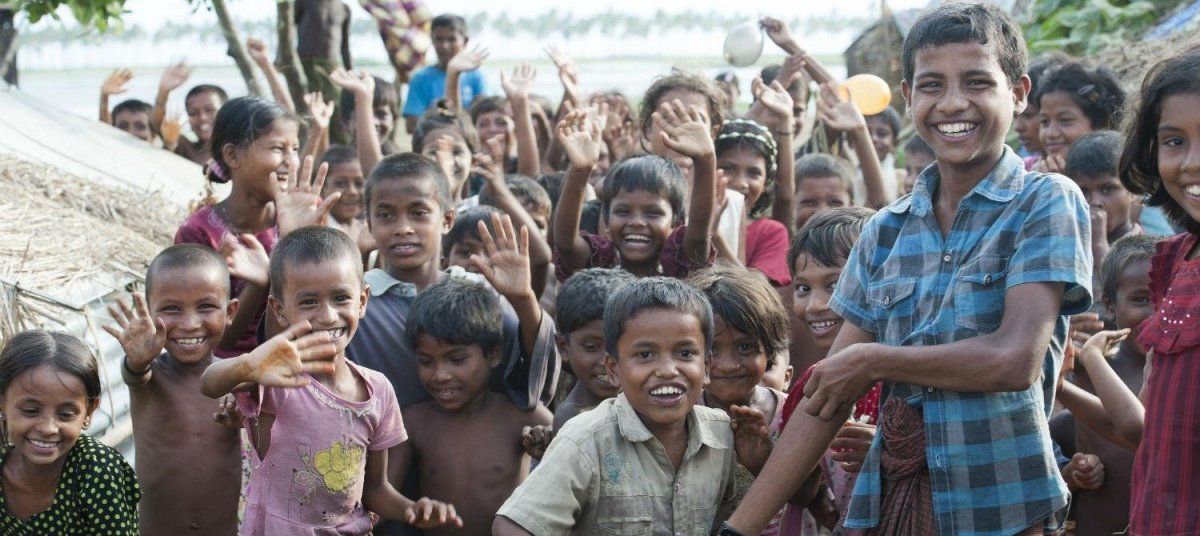
Okay, so let’s do a little fuzzy math. In Burma, most farmers have 3 to 7 children. Even if these kids have access to a school (which isn’t guaranteed), Burmese primary schools charge a $100 annual fee to let kids attend (plus the unnamed costs of transporting the kids to school). Now, let’s look back to that “average yearly income” number ($1,150 per year), multiply that by the average number of kids, and consider if the average Myanmar farmer can actually afford to sacrifice a significant portion of their income to send their kids to school.
6. The State-Sponsored Curriculum Isn’t Exactly Beneficial
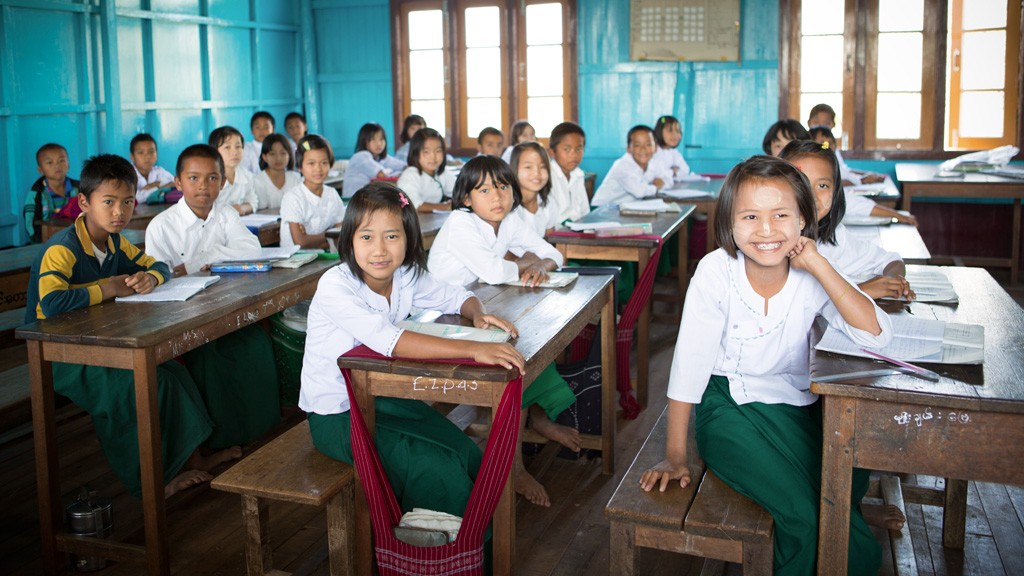
According to the Oxford Burma Alliance, over the last several decades the government has tried to dismantle most local schools in favor of promoting attendance at state-sponsored institutions. In these state schools, the curriculum mentions nothing of Burma’s different ethnic minorities and is supposedly, “discriminatory not only with respect to gender and income level.” In other words, the way things are, rich Burmese men get a decent education, but it’s a crap shoot for everyone else.
7. The Suffering Educational Infrastructure Is a Relic of a Bygone Era
So back in the sixties, when Myanmar citizens were still enjoying the benefits of education, the country was overtaken by a military junta. When the nation’s students began staging non-violent protests, the people in charge put down these protests violently and then closed the universities, reopening them years later with a state-approved curriculum. In spite of a democratically elected leader stepping into power some time ago, the country has still made little effort to open up the curriculum.
8. Uneducated Children Are at Higher Risk For Human Trafficking
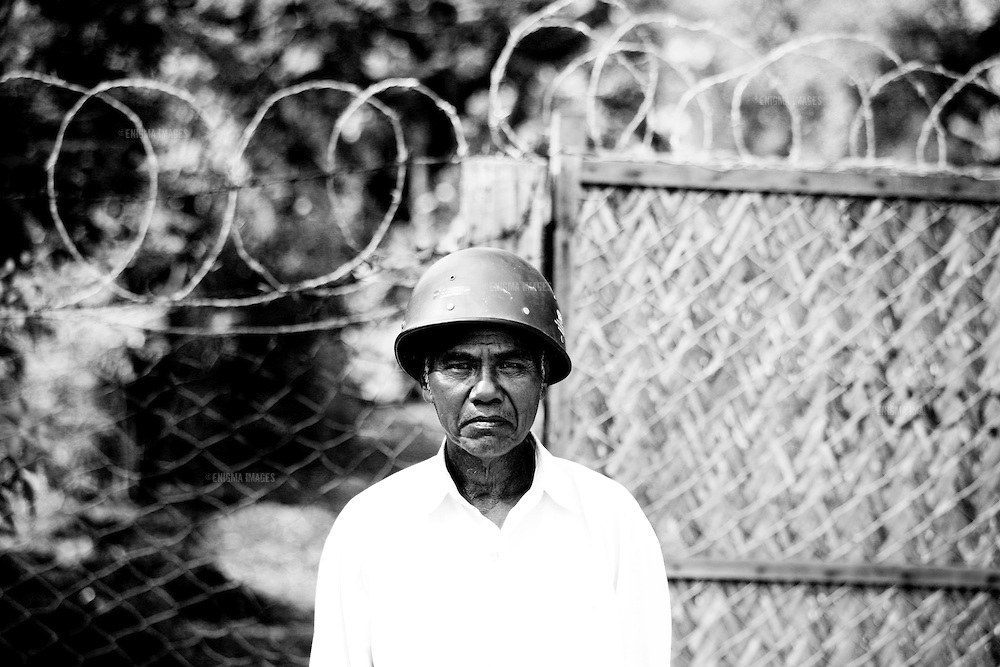
That’s particularly pertinent in Burma, a nation the State Department has called one of the “world’s worst human trafficking offenders.” The Asian nation has a real problem with kids being abducted and put to work as forced labor, or enlisted as soldiers in a child army.
9. More Schools Mean Less Traveling For Children
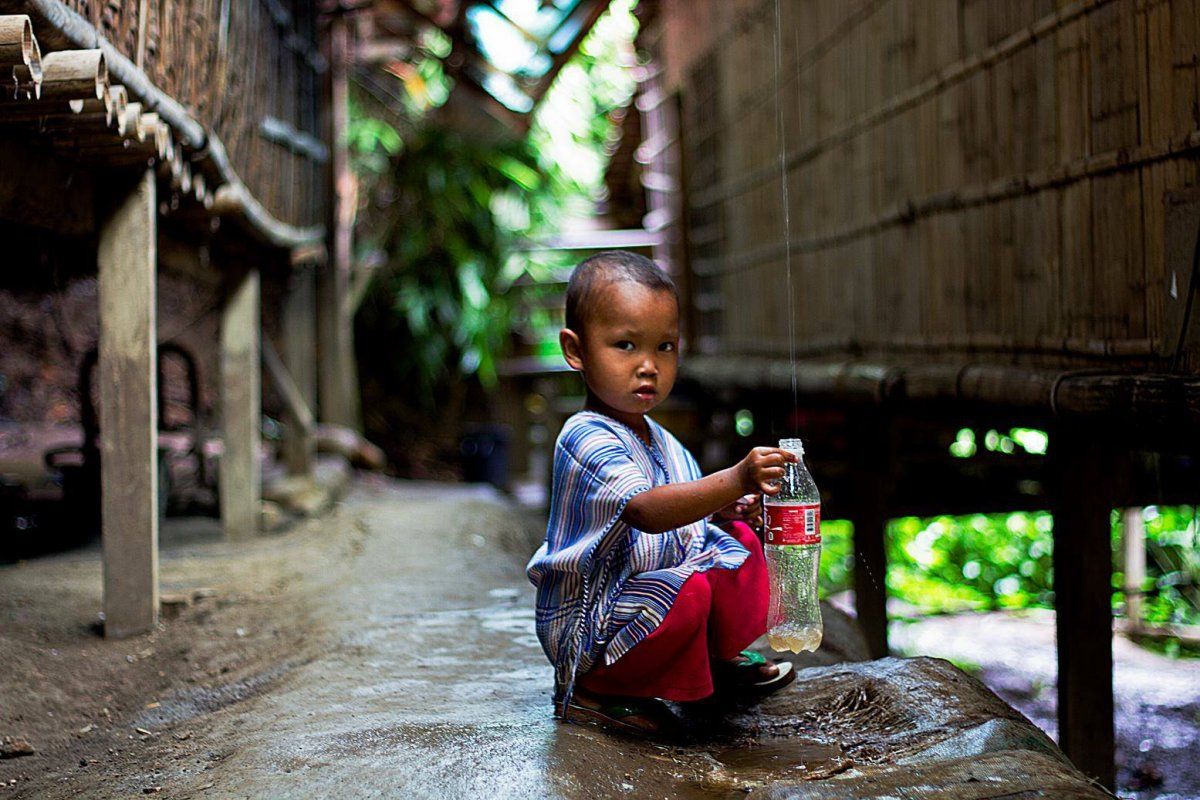
Since a lot of the rural villages in Myanmar don’t have schools, children are forced to travel long distances in order to get the benefit of a state-sponsored education. This can mean walking along the edge of a ravine, or crossing a rickety bridge and taking their life in their hands. More schools in rural areas not only means an increase in the safety of the kids who are attending, it also directly correlates to a decrease in the country’s dropout rate.
10. The Donation Is Tax Deductible and a Little Bit Goes a Long Way
If you needed a little personal incentive to give a little bit of money to building a new, independent school in Myanmar, just know that if you go through the right organization, your donation is tax deductible. That’s never a bad thing. Another cool thing about donating to build a school in Myanmar is the simple face that a few US dollars go a long way in the impoverished nation. A school costs about 20 million Myanmar Kyat to complete. That’s only about $14,500 American.