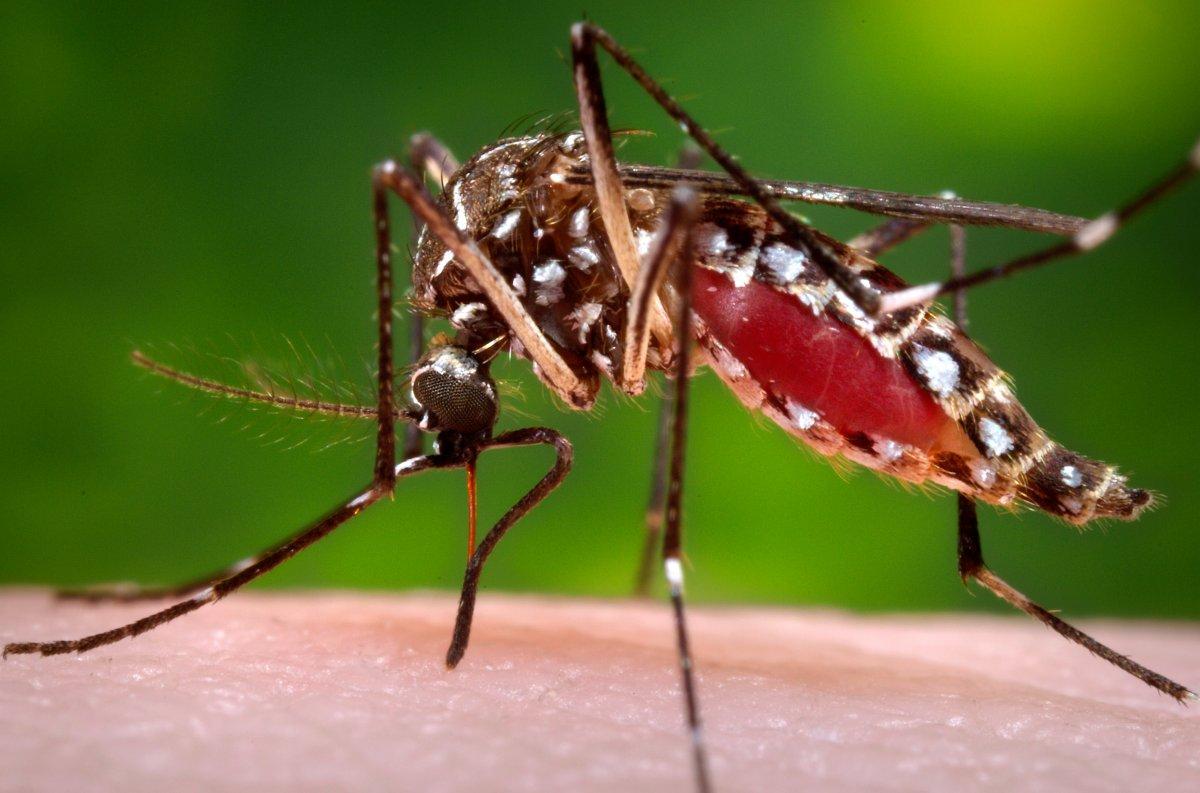
In the last several months, one of the prevailing concerns surrounding not only the Rio Olympics but travel in general, has been the emergence of the Zika virus. The virus, which is transferred via mosquito bite, has been linked to increased cases of microcephaly in pregnant women. While Zika is largely relegated to South American countries, the threat for the spread of the virus has grown significantly in recent months.
Now, according to experts at Imperial College London, on its present trajectory, the Zika virus outbreak will last another three years. According to the researchers, the presence of the virus was made known too late to fully control. On the bright side, though, the experts believe that once the current epidemic is passed, herd immunity will allow most people to remain either completely immune or totally unaffected for up to a decade after.
These predictions are simply that, though: predictions. Just this morning, for example, the first known case of female-to-male transmission was reported. Unexpected events like this may complicate Imperial College London’s predictions for the worse.